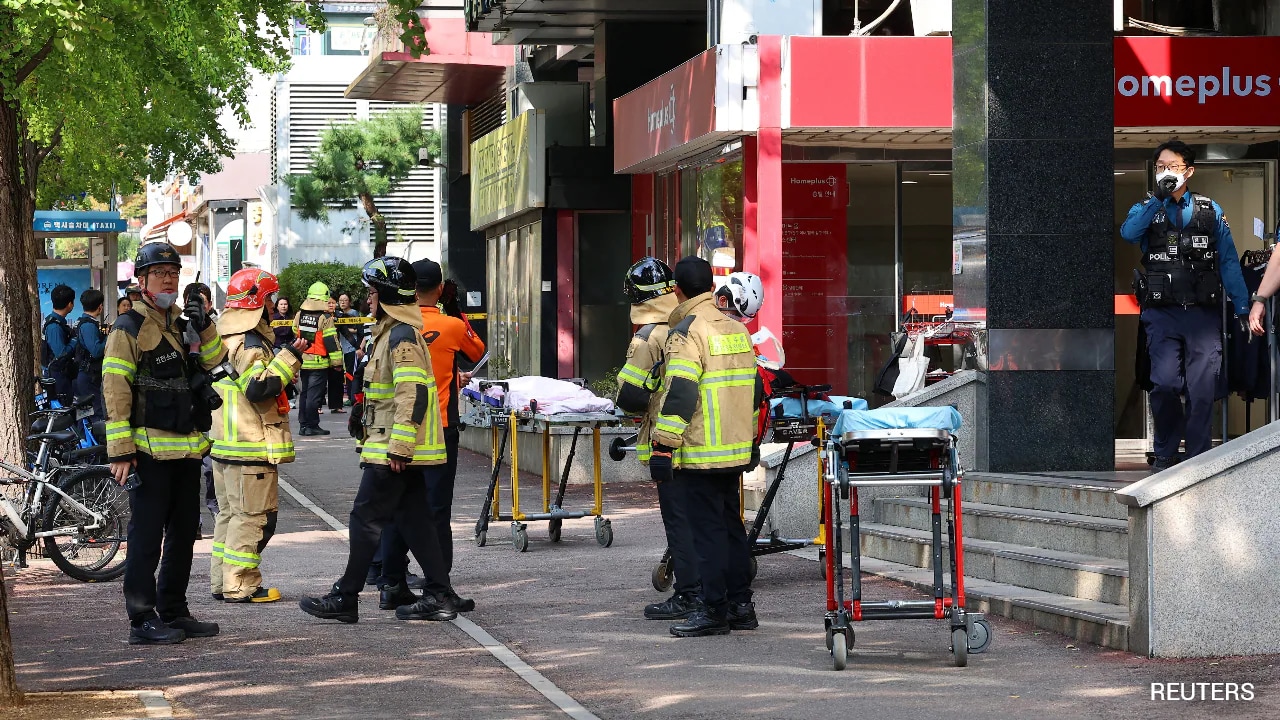
A peaceful afternoon in a crowded South Korean shopping complex turned into absolute panic when a 59-year-old man carrying knives taped to his hands began attacking random shoppers. The October rampage in Incheon's Namdong District left multiple people injured and reignited intense public anger over how the justice system tracks violent criminals.
When the dust settled, investigators revealed a chilling detail. The attacker wasn't a stranger to the law. He was wearing an electronic ankle monitor at the time of the assault, serving as a stark reminder that tracking devices do not stop a determined attacker on their own.
The Anatomy of the Incheon Attack
The assault unfolded across multiple floors of a commercial complex housing a Homeplus store. Witnesses recalled the sudden chaos as shoppers scrambled for safety. Merchants shouted warnings across the food court and corridors, telling people to run because a man was wielding weapons.
Instead of targeting specific individuals, the suspect moved indiscriminately. Eyewitness accounts and police reports confirmed he attacked people who appeared vulnerable, slashing and stabbing victims. Quick-thinking bystanders refused to stay passive. Brave merchants and shoppers used chairs and trays to defend themselves, actively subduing the attacker and holding him until law enforcement arrived.
Police detained the suspect at the scene. Prosecutors later indicted him on multiple counts, including attempted murder, for an attack that ultimately injured between seven and ten victims. One victim suffered life-threatening wounds that required emergency surgery.
Why the Electronic Ankle Monitor Failed to Prevent Violence
The most disturbing aspect of the Incheon mall stabbing isn't just the violence itself—it's that the system knew exactly who this man was.
Records showed the suspect had a lengthy criminal history containing ten prior convictions, which included a previous stint for attempted murder. After serving four years behind bars for trying to kill his ex-wife, he was released and fitted with a real-time GPS tracking ankle bracelet.
An electronic monitor tracks location. It doesn't stop movement, and it doesn't neutralize violent intent. Critics and security experts pointed out that monitoring technology is fundamentally reactive. It tells authorities where a person is, but it cannot physically block someone from walking into a public space, arming themselves with makeshift weapons, and lashing out at innocent crowds.
On the day of the attack, the suspect had completed a routine probation meeting and a counseling session just hours before heading to the shopping complex. Nothing in his mandatory check-ins flagged an imminent rampage to authorities, exposing massive blind spots in how high-risk offenders are managed after re-entering society.
The Motive and Public Outrage
During police questioning, the suspect offered a disturbing justification for the rampage. He admitted he wanted to draw public attention and make his grievances known. He confessed that he picked victims at random simply because they looked weaker than him.
This confession struck a raw nerve across South Korea. While the country maintains a relatively low overall murder rate compared to global averages, a string of high-profile random public stabbings in recent years has shattered the collective sense of safety. Citizens are increasingly uneasy walking through subway stations, parks, and shopping malls where random violence can erupt without warning.
Political leaders faced immediate pressure to respond. High-ranking officials inspected the crime scene, and calls for a thorough review of the electronic monitoring system grew louder. The Ministry of Justice pledged to investigate the effectiveness of real-time tracking protocols for high-risk parolees, but citizens want preventative solutions rather than post-incident audits.
Stopping random public attacks requires more than strapping a GPS monitor to a convicted felon's leg and hoping for the best. As long as monitoring is viewed as a complete safety net rather than a basic tracking tool, communities remain vulnerable to individuals determined to make headlines through violence.
8 injured in South Korea during mall stabbing attack
This news report covers the immediate aftermath and eyewitness accounts of the Incheon shopping complex stabbing.


