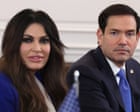
Diplomatic postings rarely combust quite this fast. When Kimberly Guilfoyle stepped down as the United States ambassador to Greece, it brought a abrupt end to a tenure that had barely found its footing. Appointed by Donald Trump and confirmed by the Senate, her time in Athens collapsed under a heavy wave of financial misconduct allegations, internal friction, and aggressive media scrutiny.
If you followed the headlines, you watched a slow-motion trainwreck transform into an immediate political exit. But how did an ambassadorial appointment spiral out of control so quickly? Let's look at what actually happened behind closed doors.
The Scandals That Broke the Embassy
Trouble started brewing when major investigative reports surfaced detailing questionable financial conduct. Reports revealed that Guilfoyle allegedly asked a prominent Trump donor to help settle a personal credit card bill. Investigators and journalists also pointed to luxury travel arrangements funded through unconventional channels and informal gatekeepers wielding heavy influence inside the ambassador's residence.
Diplomacy relies on quiet stability. Greece is a critical strategic ally, yet local media quickly began labeling the U.S. embassy as "headless" and dysfunctional. Days after Secretary of State Marco Rubio visited the country, the situation reached a breaking point. Rubio himself bristled at reporters asking about the unfolding chaos at the foot of his plane, famously dismissing media reports before boarding.
Yet, the writing was on the wall. President Trump publicly admitted he didn't like what he read, and the White House swiftly requested her resignation.
Defending the Record
Guilfoyle didn't go quietly. Facing mounting pressure, her legal team pushed back hard against the allegations. Lawyers representing her insisted that every single trip and action strictly followed State Department guidelines and regulations. They argued that the claims of impropriety were baseless attacks blown out of proportion by political adversaries.
Upon stepping down, Guilfoyle maintained her innocence and vowed to vigorously defend her reputation. Despite these denials, the political fallout was immediate. Congressional Democrats quickly opened inquiries into the matter, examining potential conflicts of interest and looking into deeper ties with foreign business interests.
What This Means for Future Appointments
This entire episode highlights a recurring tension in modern American politics. Political appointments often reward loyalty, but they also place high-profile figures under intense public microscopes. When personal conduct intersects with international diplomacy, the margin for error shrinks to zero.
Ambassadors represent the country's face abroad. When the focus shifts from foreign policy to personal financial scandals, administrations tend to cut ties rapidly to limit the bleeding. The Athens posting serves as a sharp reminder that high-society connections and political backing cannot shield an official from intense regulatory and journalistic exposure once the gears of oversight start turning.
For now, the diplomatic mission in Greece works to rebuild its footing, leaving behind one of the most unconventional tenures in recent memory.