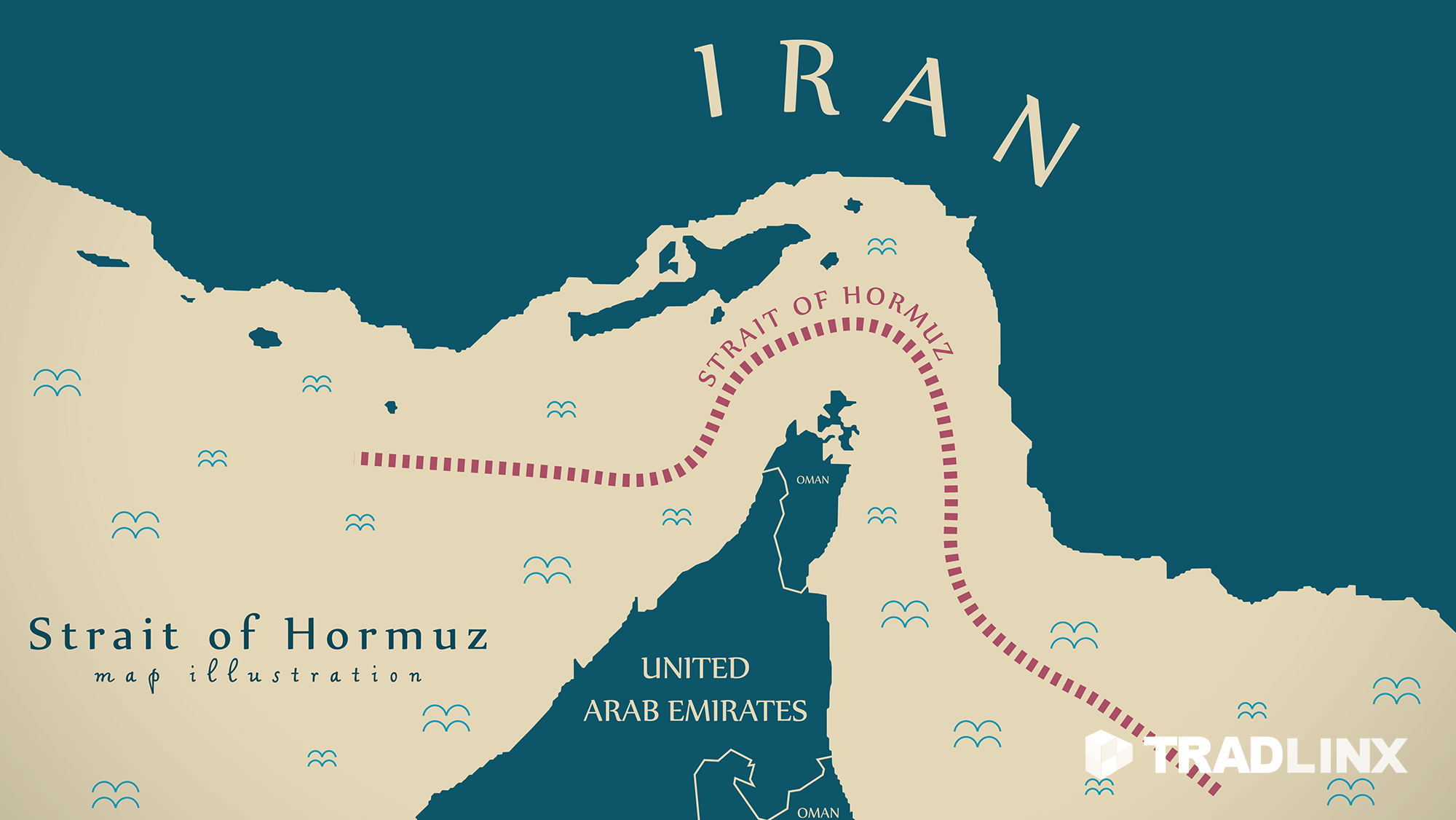
Ed Miliband is a man in a hurry, and the escalating conflict in the Middle East has just handed him the ultimate political accelerator. As US and Israeli strikes on Iran throttle the Strait of Hormuz, the Energy Secretary isn't just reacting to a supply shock; he is attempting to rewire the British economy in real-time. By moving to double down on net zero targets, Miliband is betting that the same green policies often derided as expensive luxuries are now the only viable shield against a $100-plus-a-barrel world.
The strategy is high-stakes. While wholesale gas prices surged 75% between February and March 2026, the government’s response has been to drag the future into the present. This isn't about abstract environmentalism anymore. It is a blunt-force attempt at energy sovereignty that prioritizes radical domestic generation over the traditional, and currently broken, global supply chain.
The Supermarket Solar Experiment
In a move that sounds more like a Silicon Valley pilot than a Whitehall directive, the Department for Energy Security and Net Zero is fast-tracking "plug-in solar" to British retail shelves. These aren't the industrial arrays seen in the Cotswolds. We are talking about portable, low-cost panels designed for balconies and gardens, aimed squarely at renters and flat-owners who have historically been locked out of the renewables market.
The logic is simple. If you can't fix the global price of gas, you give the individual consumer the tools to bypass the grid entirely. Miliband is looking at Germany, where half a million such devices were deployed last year, and seeing a way to mitigate the immediate sting of rising bills. However, skeptics point out that a panel on a balcony in Peckham isn't a replacement for a functioning national grid. It is a survivalist's patch on a systemic wound.
Acceleration of the Auction Hammer
The real heavy lifting is happening in the boardroom, not the balcony. Miliband has confirmed that Allocation Round 8 (AR8)—the next massive auction for renewable energy contracts—will be brought forward to July 2026. This is an aggressive play to lock in clean energy developers before the high-interest-rate environment, exacerbated by the Iran conflict, makes these projects prohibitively expensive.
By providing "certainty" to investors now, the government hopes to flood the market with wind and solar capacity that, once built, operates with near-zero marginal costs. The current "merit order" of the UK electricity market means that the most expensive generator—usually a gas-fired plant—sets the price for everyone else. Miliband’s gamble is that by over-saturating the grid with renewables, he can finally break the link between a drone strike in the Persian Gulf and a kitchen toaster in Birmingham.
The Hidden Logistics Crisis
While the rhetoric focuses on "free" wind and sun, the investigative reality is grimmer. The war in Iran has paralyzed more than just oil tankers. The Middle East accounts for nearly 10% of global aluminum production. This metal is the backbone of solar frames and wind turbine components. With the Strait of Hormuz effectively a no-go zone, the supply chain for the very technologies Miliband wants to accelerate is under direct fire.
Industry analysts are already reporting that lead times for critical components are lengthening. You can announce an auction in July, but if the turbines can't be built because the raw materials are sitting in a blocked harbor, the "energy security" timeline starts to slip. This creates a dangerous gap where the UK has moved away from fossil fuel reliance but hasn't yet reached the "escape velocity" of a fully green grid.
The Fingleton Doctrine and the Nuclear Pivot
Miliband is also co-opting a traditionally conservative playbook by applying the findings of the Fingleton Review. Originally designed to slash the bureaucracy strangling the nuclear sector, these streamlining measures are now being applied to renewables. The goal is to strip away the years of planning appeals and "process-heavy" regulations that have historically seen UK infrastructure projects move at a glacial pace.
It is a rare moment of ideological alignment. The government is effectively saying that the Iran crisis has turned energy infrastructure into a matter of national defense. Under this framework, a solar farm or a small modular reactor (SMR) is no longer just a business venture; it is a strategic asset.
The Price Gouging Crackdown
There is a populist edge to this strategy that cannot be ignored. Working with the Competition and Markets Authority (CMA), the government is intensifying its surveillance of fuel retailers. As petrol prices jumped 14 pence a litre in less than a month, the narrative from Whitehall shifted from "market forces" to "predatory pricing."
The CMA has been given a mandate to monitor road fuel and heating oil firms with unprecedented granularity. For the consumer, this offers a psychological buffer, but for the industry, it signals an era of heavy-handed interventionism. Miliband is making it clear that if the market won't provide stability, the state will.
The Productivity Trap
The loudest counter-argument comes from the manufacturing sector. Stuart Machin of Marks & Spencer recently highlighted a bitter truth: green levies and policy costs now account for a massive chunk of commercial energy bills. For a factory owner in the Midlands, Miliband’s "doubling down" looks like another layer of cost during a period of shrinking margins.
The UK is currently an outlier in energy pricing compared to its European neighbors. If the government’s response to a global energy shock is to increase the domestic regulatory burden, they risk "decarbonizing" the economy by simply losing the industry that uses the energy. It is a delicate balance that requires the Warm Homes Plan to work flawlessly. The devolution of £130 million to mayors in London, Liverpool, and West Yorkshire is a start, but insulating the nation’s draughty housing stock is a multi-decade project being asked to solve a multi-week crisis.
Strategic Realism
Despite the "Net Zero" branding, there is a hard-nosed realism emerging. The government isn't just building wind turbines; they are investigating the "Blend and Extend" contract models that allow businesses to lock in rates before the next spike. They are acknowledging that the price cap, while vital, is a temporary shield that cannot withstand a multi-year conflict.
The coming months will determine if Miliband is a visionary or a gambler. If the renewables build-out is hampered by the same global supply chain issues it seeks to avoid, the UK could find itself in an energy "no man's land"—too far from fossil fuels to be stable, and too far from green independence to be secure.
The transition is no longer a choice; it has become a forced march. The success of this policy won't be measured in carbon tonnes, but in whether the average British household can afford to keep the lights on while the Middle East burns.
Stop waiting for a return to the old normal; that world disappeared the moment the first tankers were diverted.