The disappearance of 84-year-old Nancy Guthrie, mother of television anchor Savannah Guthrie, has crossed from an acute missing persons case into a grim study of criminal psychology and investigative stalemate.
Months after the initial abduction from her Tucson, Arizona home, the Pima County Sheriff's Department and the Federal Bureau of Investigation took the extraordinary step of publicly releasing two chilling ransom notes. These documents, sent to a local television station days after the February kidnapping, offer a twisted narrative of extortion, immediate medical crisis, and a clandestine burial. For anyone tracking high-stakes criminal investigations, the release marks a desperate shift in strategy: law enforcement is no longer searching in the dark alone. They are handing the linguistic puzzle pieces to the public, hoping someone recognizes the cadence of a killer.
Anatomy of an Extortion
The first communication arrived on February 2. Addressed directly to Savannah Guthrie, the message demanded four million dollars in Bitcoin, threatening an escalation to six million or execution if arbitrary deadlines were missed. It contained specific local details that instantly lent credibility to the extortionists. The note referenced a white smartwatch left on the floor at the foot of a bed and the destruction of a backyard floodlight. These were operational indicators. Whoever wrote the demand had either been inside the house or possessed intimate knowledge of the immediate crime scene layout before authorities publicized those details.
Then came the second communication on February 6. The tone shifted abruptly from aggressive extortion to a defensive, almost clinical post-mortem. The writers claimed they underestimated Nancy Guthrie's physical vulnerability. They asserted that she perished shortly after being taken due to a suspected cardiac event.
"She is buried in nature now," the second note stated, adding an apology that reads poorly against the backdrop of a kidnapping. "Nothing you could have done could have changed the outcome."
Investigators face a brutal analytical dilemma. Are these notes an authentic confession from panicked criminals whose abduction went fatally wrong, or are they a sophisticated smokescreen designed to halt active ground searches and misdirect law enforcement resources?
The Linguistic Fingerprint
By releasing the raw text of both notes, investigators are relying on a forensic method proven in landmark cases. The strategy mirrors the federal approach used during the hunt for the Unabomber, Theodore Kaczynski, where authorities published a manifesto in hopes that a familiar syntax, idiosyncratic spelling, or distinct phrasing would trigger a breakthrough from someone close to the perpetrator.
Language betrays identity. Word choice, punctuation habits, structural cadence, and regional colloquialisms form a psychological fingerprint that is exceptionally difficult to disguise over thousands of words. Local authorities noted that the text reveals a distinct pattern of syntax. In a case devoid of solid physical footprints or clear surveillance footage of the suspects, the phrasing inside those digital messages might be the single best clue left behind.
Yet, relying on linguistic profiling carries distinct risks. Sophisticated criminals can attempt to mimic tropes or manufacture false trails. The abrupt pivot from a hard-nosed multi-million dollar cryptocurrency demand to a sympathetic pseudo-apology suggests either deep internal friction within a multi-person kidnapping cell or a calculated psychological ploy to mitigate the severity of charges should an arrest eventually occur.
The Weight of Public Pleas
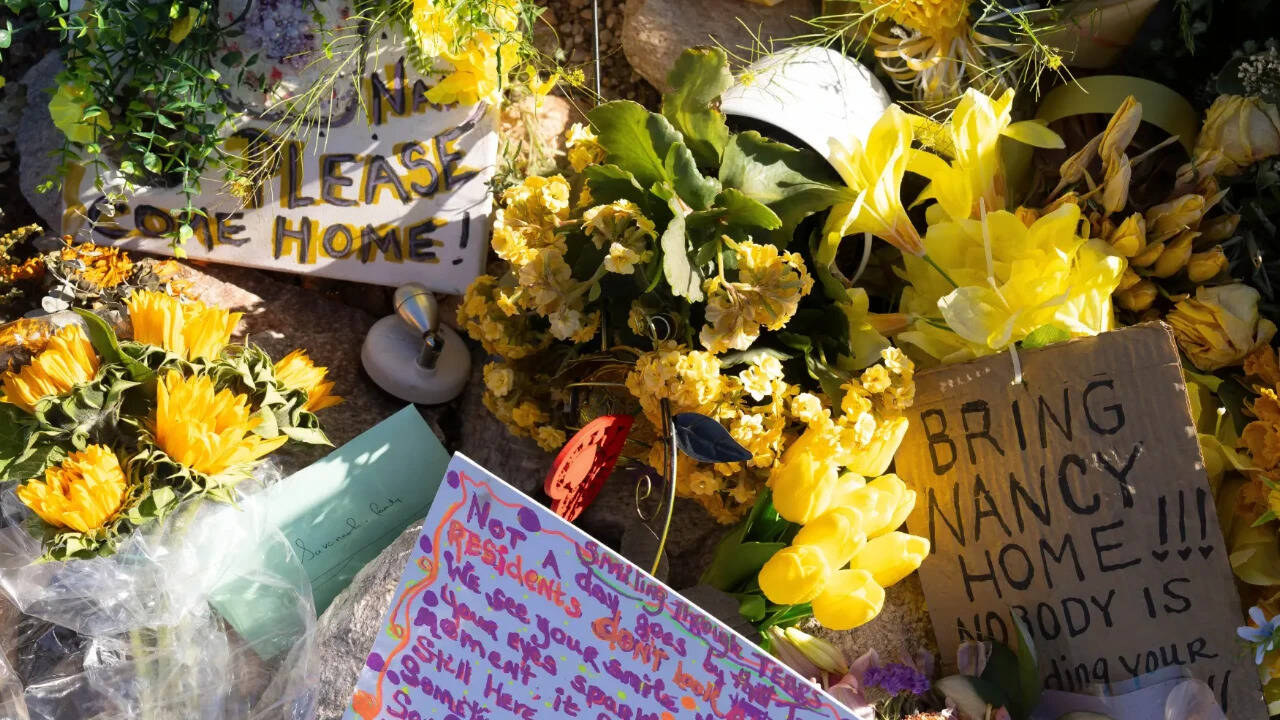
Throughout the ordeal, Savannah Guthrie has walked a agonizing tightrope between her professional visibility on national television and her private grief. Emotional public appeals, shared across news segments and digital platforms, ask for basic human decency from individuals who demonstrated none.
Experience shows that public pleas rarely move hardened kidnappers. Criminals motivated by multi-million dollar cryptocurrency payouts rarely experience a sudden surge of moral clarity simply because a family member speaks directly into a camera lens. However, public pressure does something else entirely. It fractures loyalty. When co-conspirators realize the heat of a federal task force is closing in, and that the crime has shifted from a lucrative ransom scheme to a homicide investigation involving an elderly victim, internal trust collapses.
The sheriff's department explicitly targeted this dynamic in their public statements, noting that personal relationships and loyalties shift over time. Someone always knows something. Someone noticed a sudden change in financial liquidity, an unexpected absence, or an obsessive, prolonged interest in the daily news cycle surrounding the Catalina Foothills disappearance.
The Shadow of Accountability
As the investigation grinds forward past the six-month threshold, collateral damage mounts outside the core criminal inquiry. The chaotic early days of the response led to aggressive sweeps, resulting in wrongful detentions that have already sparked legal notices of claim against local law enforcement. Desperation breeds friction, and procedural missteps during high-profile manhunts frequently complicate future prosecutions.
The core reality remains stark. An 84-year-old woman was pulled from her home in the dead of night. Whether her final resting place is hidden somewhere in the rugged terrain surrounding Tucson, as the cryptic notes claim, or whether the text represents a calculated lie to stop the digging, the trail rests entirely on whether someone reading those exact words recognizes the author's voice.
The answer is no longer buried in the desert. It is hidden in plain sight within the syntax of the notes.