The Okefenokee Swamp has finally secured its place on the UNESCO World Heritage List, marking the first time in over thirty years that a natural site in the United States has earned the designation. Meeting in Busan, South Korea, the World Heritage Committee inscribed the sprawling Georgia wetland, ending an administrative and political marathon that began when Ronald Reagan was in the White House.
For decades, the wetland known to the Muscogee (Creek) Nation as the "land of trembling earth" has been caught in a tug-of-war between industrial encroachment and quiet conservation. While headlines celebrate the international recognition, the path to global status reveals how fragile America's most ancient ecosystems remain even after winning protection.
The Long Political Arc
Bureaucracy moves slowly, but few environmental nominations crawl as sluggishly as the Okefenokee's. Earmarked as a tentative candidate back in 1982, the blackwater swamp languished on a federal backburner while priorities shifted across presidential administrations.
It required a renewed, heavy push by local stakeholders, tribal nations, and conservation groups to drag the nomination across the finish line under the Biden administration before its final inscription in July 2026. The delay was not due to a lack of ecological merit. Scientists have long pointed out that North America's largest blackwater swamp contains pristine, undisturbed peat beds holding a 5,000-year environmental archive.
Instead, the hesitation reflected domestic anxieties over federal and international oversight. Local skepticism ran deep. Rural communities bordering the refuge often viewed global recognition through a lens of suspicion, fearing that international bureaucracy would choke regional land use and property rights.
The Shadow of Industrial Mining
The timing of the international validation is no accident. The push for global protection gained urgent momentum as a direct counter-measure against commercial threats looming right on the swamp's border.
In recent years, mining proposals from outside corporate entities threatened to strip-mine titanium dioxide on Trail Ridge, a geological formation acting as the hydrological lip of the basin. Hydrologists warned that industrial operations could permanently alter the water table, risking the delicate moisture balance required to keep the massive peat beds saturated.
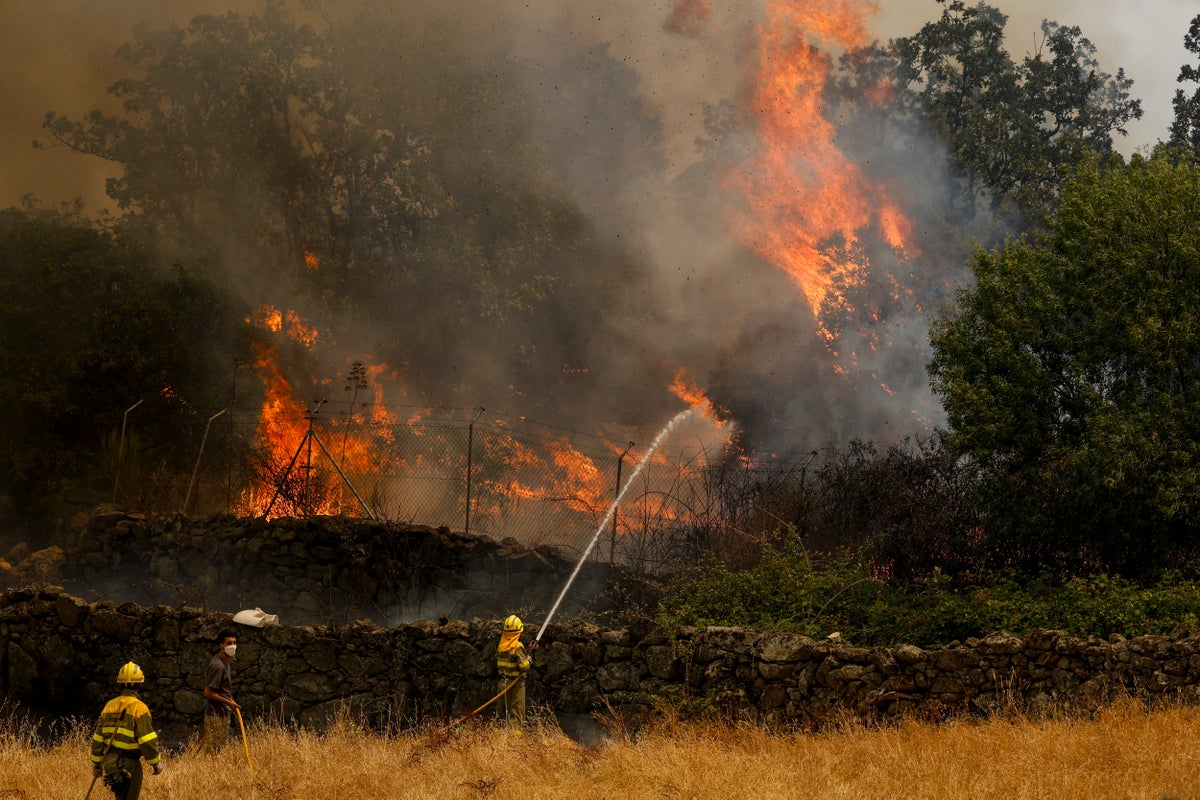
Dry peat does not simply blow away. It burns.
When subsurface peat dries out, it becomes vulnerable to catastrophic fires that can smolder for months, releasing staggering amounts of carbon into the atmosphere. The international endorsement serves as a massive diplomatic and legal shield. While a UNESCO badge does not grant direct veto power over local private property, it places an international spotlight on any state or federal agency willing to permit heavy industry on the doorstep of a global treasure.
Indigenous Roots and Historical Reckoning
Long before federal wildlife officials drew boundaries around 400,000 acres of cypress trees and floating meadows, the region was a sovereign sanctuary. The ancestors of the Muscogee (Creek) Nation managed and inhabited these wetlands for millennia, leaving behind structural earthworks and deep spiritual ties that survived forced removal.
When tribal representatives addressed the committee in Busan, the message was clear. Recognition by an international body must honor the people who were unceremoniously dispossessed of the land.
"The land has not forgotten," declared Tracie Revis, a citizen of the Muscogee (Creek) Nation, during the proceedings. "Today, this inscription recognizes an extraordinary landscape and also the enduring presence of its indigenous people."
This perspective changes how the swamp must be managed moving forward. True preservation requires integrating traditional ecological knowledge with modern wildlife biology.
The Economics of Global Prestige
Projections from groups like The Conservation Fund estimate that annual visitorship could surge past 1.5 million by the middle of the next decade. For small gateway towns like Folkston, Georgia, this influx presents a high-stakes balancing act.
Tourism dollars can revitalize struggling rural economies, but unchecked foot traffic risks degrading the very wilderness travelers come to witness. Infrastructure investments, wastewater management, and strict visitor caps will dictate whether the community thrives or suffocates under the weight of its own fame.
The designation is not a trophy to be placed on a shelf and forgotten. It is an ongoing contract with the planet. Nature does not care about committee votes or administrative boundaries; it demands continuous, aggressive defense against short-sighted ambitions.
The trembling earth is safe for today, but the machinery waiting at the gates has not gone away.