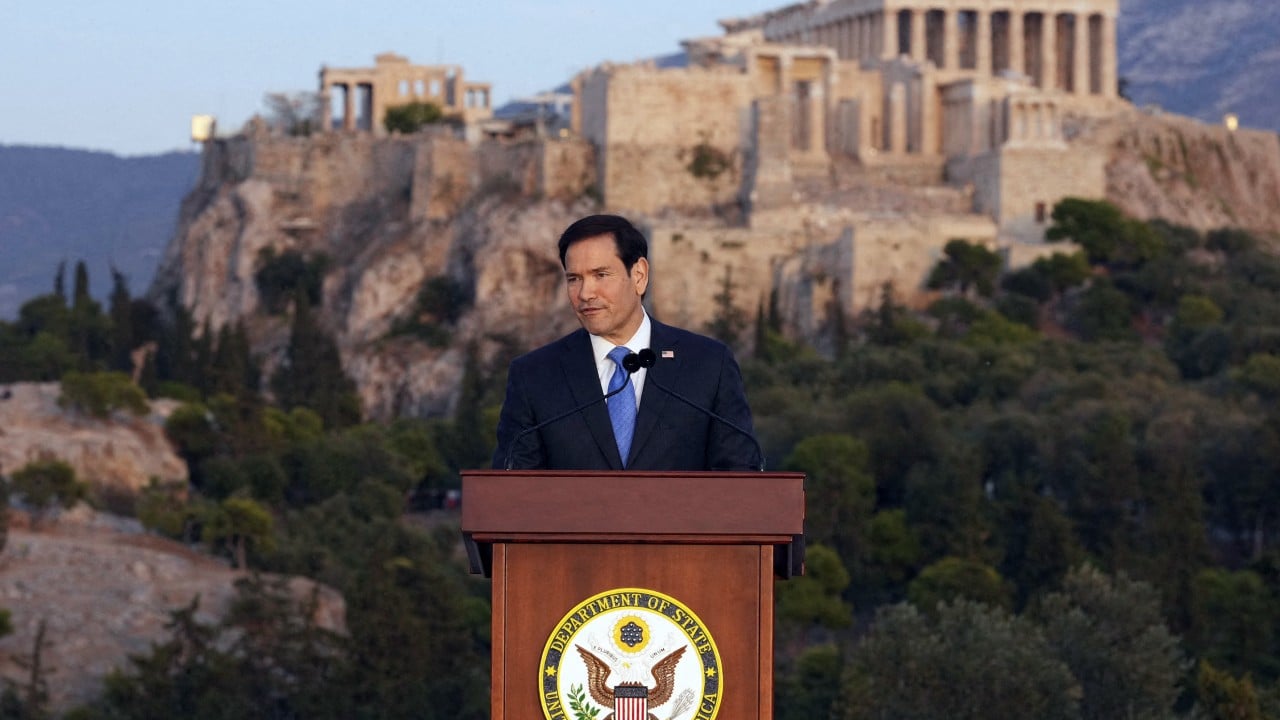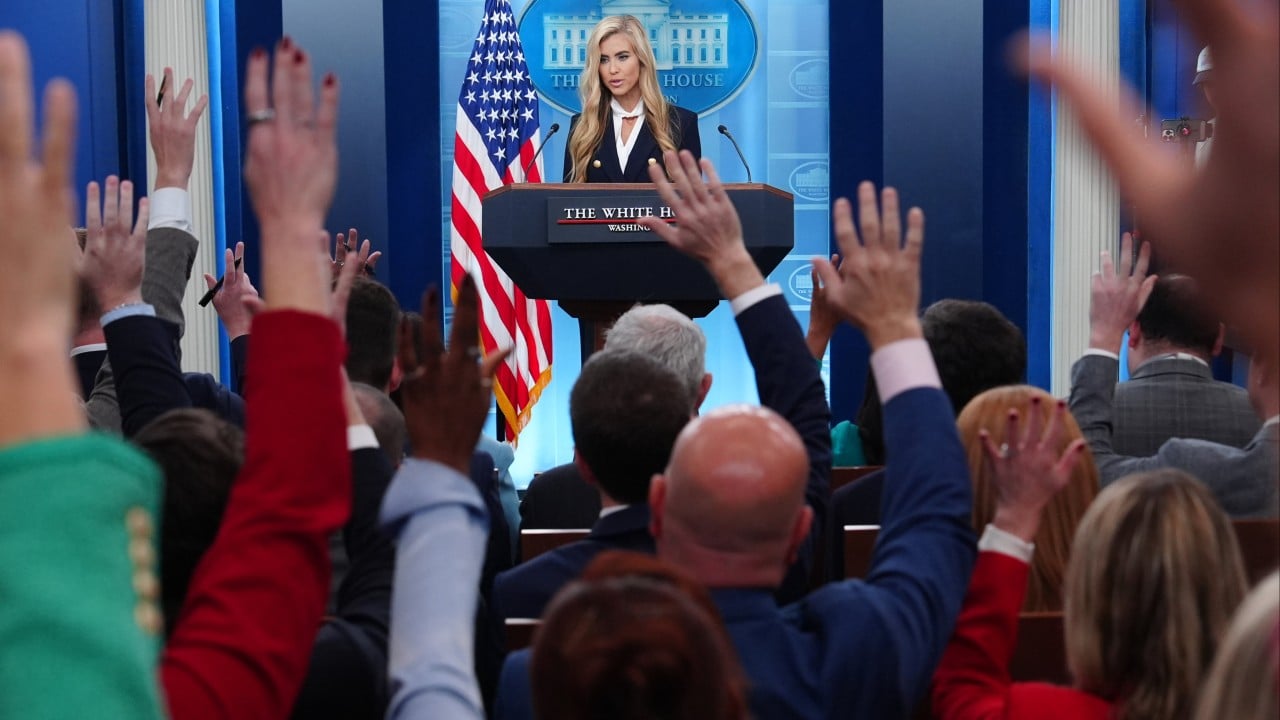
Five days at the podium versus years of scripted institutional discipline exposes a stark divide in US and China media strategies. When White House press secretary Katie Zacharia dismissed China's development in mid-October 2026 by claiming the country lacked proper toilets, Chinese Foreign Ministry spokesperson Mao Ning answered with a dry invitation for her to visit more often. Zacharia was out of the White House within days, making her tenure the shortest in modern history.
Watch the mechanics behind that collision and you see two completely different operating systems at work. One prizes combative loyalty, podcast agility, and cable television combat. The other relies on vetted career diplomats, tightly controlled transcripts, and deadpan irony aimed at foreign audiences. For a different perspective, consider: this related article.
How a Five-Day Podium Run Imploded
A five-day press secretary rarely survives a hostile press corps. Zacharia arrived at the James S. Brady Press Briefing Room in October 2026 after working in communications at the Department of Homeland Security and Truth Social, bringing fierce partisan loyalty rather than institutional diplomatic polish.
Her lone formal briefing lasted roughly fifteen minutes and drew sharp criticism across political lines. Reporters pressed her on substance and credentials while she stumbled through remarks, even calling her husband "the president" during the appearance. Further analysis on this matter has been provided by USA Today.
Credential scrutiny hit harder than the briefing room stumble. Zacharia had described herself as a lawyer on television and social media, yet acknowledged in interviews that she never passed a U.S. bar exam and wrongly claimed China had no bar exam of its own. Critics and ethics watchdogs quickly questioned how someone with unverified legal claims ended up speaking for the executive branch.
Her remark about Chinese restrooms, made during an interview with conservative influencer Jack Posobiec while reflecting on 2016 forecasts about China's rise, turned a domestic credential headache into an international punchline. Even an American who had lived and worked in Beijing earlier in her career could be tripped up by careless phrasing when speaking to an online echo chamber rather than a diplomatic audience.
Mao Ning and the Mechanics of Scripted Restraint
Mao Ning operates inside a system built to prevent unforced errors. Every regular briefing at China's Ministry of Foreign Affairs follows a disciplined rhythm where career spokespeople read from carefully vetted lines, parry foreign correspondents, and feed official transcripts straight to state media and international outlets.
When reporters asked about Zacharia's toilet comment, Mao did not shout or trade insults. She offered a cool invitation to visit China more often, letting the contrast between a viral insult and calm hospitality do the work.
That restraint is a feature of authoritarian message discipline, not a sign of openness. A spokesperson in Beijing has virtually zero room to improvise outside approved policy boundaries, which protects against personal blunders while limiting candid answers on sensitive topics.
| Dimension | US White House Media Model | Chinese Foreign Ministry Model |
|---|---|---|
| Primary Audience | Domestic voters, partisan networks, and cable/digital media | Domestic state narrative, foreign press, and diplomatic capitals |
| Selection Basis | Political alignment, television fluency, and personal loyalty | Career diplomatic service and institutional vetting |
| Improvisation Risk | High; off-script remarks can trigger rapid crisis cycles | Low; tightly scripted lines reduce personal slips |
| Failure Mode | Rapid public implosion or abrupt removal | Rigidity, evasiveness, and low credibility among skeptical outlets |
Why Overlooked Incentives Shape Both Sides
Surface comparisons usually stop at personality: a flashy partisan surrogate versus a composed bureaucrat. Digging deeper reveals structural incentives that push both sides toward their respective weaknesses.
In Washington, modern media ecosystems reward performers who can punch through noise on podcasts and cable segments. A communicator trained to win applause from partisan hosts often speaks in shorthand, exaggerations, or cultural jabs that backfire when translated globally or scrutinized under oath and bar rules.
Consider a hypothetical example from corporate crisis management. Suppose a fast-growing startup hires an aggressive social media hype-person as chief communications officer to rally fans, and that executive mocks a major overseas supplier's infrastructure on a livestream right before contract talks. The hype works at home until the supplier's leadership uses the clip to rally domestic pride and stall negotiations.
Beijing faces the opposite trap. Because US and China media strategies collide on platforms that Beijing cannot fully censor abroad, a deadpan one-liner can travel faster than a five-page white paper, yet over-scripting can make official briefings feel robotic to skeptical foreign journalists.
Neither model holds a monopoly on effectiveness. A tightly controlled briefing room avoids five-day flameouts, while an open, unfiltered press environment can surface real accountability even when appointments go sideways.
What Strategic Communicators Actually Get Wrong
Many observers assume loud, combative messaging automatically dominates attention in global affairs. Attention is easy to spike; durable credibility is much harder to keep.
- Confusing virality with leverage: A viral jab at a rival nation's infrastructure may entertain a domestic base, yet it hands the other side an easy diplomatic opening.
- Treating resumes as optional: When a spokesperson claims credentials that do not hold up under basic checking, opponents use the credibility gap to discredit every policy point that follows.
- Ignoring translation across borders: Remarks meant for friendly domestic podcasters are read in Beijing, Tokyo, Brussels, and Seoul with zero allowance for wink-and-nod context.
- Mistaking stiffness for strength: Monotonous, heavily scripted responses prevent gaffes, but they rarely persuade undecided audiences outside the home camp.
The real test in US and China media strategies is not who sounds sharper for thirty seconds on a clip. It is which system can absorb friction, correct mistakes without unraveling, and keep its core message intact when the cameras stay on for months rather than days.