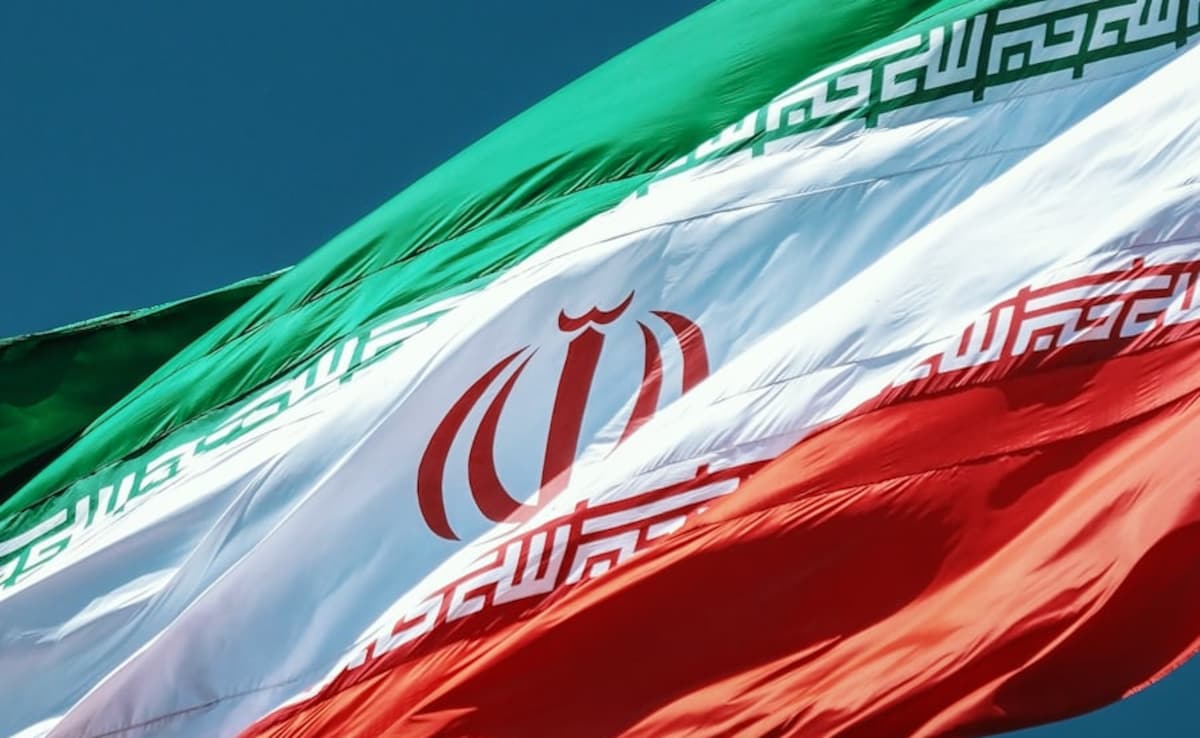
The fragile ceasefire between Washington and Tehran is hanging by a single, fraying thread. Iran has received the latest American response to its 14-point peace proposal, but the diplomatic gap remains immense. While Tehran attempts to separate the immediate military crisis from long-term nuclear disarmament, Washington demands nothing less than full capitulation on the nuclear front before the economic blockade is lifted. By trying to sequence the talks to resolve the naval standoff in the Strait of Hormuz first, Iran is attempting to buy time, while the Trump administration uses its total economic and military leverage to force a permanent end to Tehran's nuclear ambitions.
This high-stakes diplomatic standoff has far-reaching consequences for global energy security. The fundamental issue is not whether negotiations will occur, but whether either side has the political room to compromise.
The Two Front War
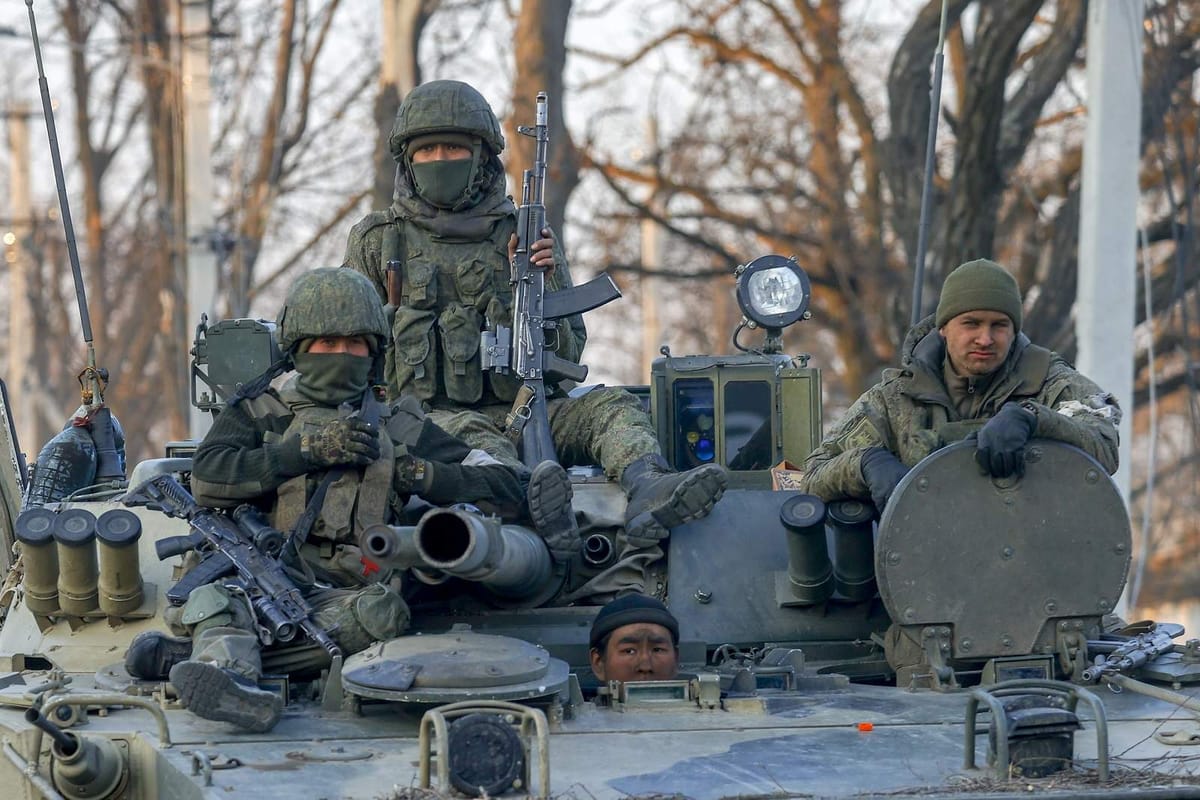
Iran’s diplomatic strategy is a direct response to a two-front economic and military chokehold. Following military strikes earlier this year, the Iranian leadership faces a catastrophic economic reality. The joint US-Israeli naval counter-blockade has drastically restricted Iranian shipping, while the ongoing closure of the Strait of Hormuz has disrupted twenty percent of the world's petroleum supply.
Tehran’s primary goal is to break this economic isolation. To do so, Iranian negotiators are advancing a phased strategy.
- Phase One: A permanent ceasefire and the immediate lifting of the US naval blockade to allow the resumption of oil exports.
- Phase Two: Gradual reopening of the Strait of Hormuz under international monitoring.
- Phase Three: Postponing comprehensive nuclear negotiations to an undefined later date.
By keeping the nuclear issue off the immediate agenda, Tehran hoped to ease its domestic economic crisis without appearing to surrender its ultimate strategic asset.
The View from Washington
The White House is operating on a completely different premise. The American position is that Iran's current economic vulnerability is the ultimate tool to force a permanent end to its nuclear weapons potential.
From the American perspective, separating the naval blockade from the nuclear program makes no strategic sense. If Washington lifts the blockade and allows Iranian oil revenues to flow again, it surrenders its primary leverage. This would leave Tehran free to drag out nuclear discussions indefinitely while rebuilding its economy and its regional proxy networks.
The administration’s counter-demands are sweeping. Washington insists that Iran immediately surrender its stockpile of highly enriched uranium, dismantle its enrichment infrastructure, and accept intrusive international inspections.
The Internal Factions Paralyzing Tehran
The reason for Iran's diplomatic maneuvering is a deep, unacknowledged internal division within the Iranian political establishment.
On one side are the pragmatists within the Foreign Ministry, led by Foreign Minister Abbas Araghchi. This faction understands that the Iranian economy cannot survive a prolonged blockade and continuous military strikes. They are the architects of the recent diplomatic signals suggesting Tehran might accept limits on uranium enrichment to 3.5 percent and reduce its enriched stockpiles in exchange for sanctions relief.
On the other side are the hardline elements of the Islamic Revolutionary Guard Corps (IRGC). For the IRGC, the nuclear program and the control of the Strait of Hormuz are non-negotiable pillars of national deterrence. To surrender them under the pressure of American strikes would be seen as an existential defeat.
This internal paralysis prevents Tehran from making a definitive offer. The result is a series of conflicting diplomatic signals: proposing to sideline the nuclear file one day, only to suggest technical concessions the next.
Energy Markets and the Looming Election
The clock is ticking for both sides, but for very different reasons. For Tehran, the pressure is economic and physical. The country is running out of foreign exchange reserves, and its internal stability is increasingly threatened by domestic dissent.
For the United States, the pressure is political. The closure of the Strait of Hormuz has caused global oil prices to rise, leading to higher gasoline prices for American consumers.
This creates a high-stakes calculation. The White House is betting that it can squeeze Iran into submission before domestic political fallout over energy prices becomes unmanageable. Tehran is betting on the exact opposite: that the economic pain inflicted on the global economy will eventually force Washington to accept a phased, non-nuclear settlement.
Both sides are miscalculating the other's tolerance for pain. Iran underestimates the administration's willingness to use direct military force if the ceasefire collapses. Washington underestimates the ideological commitment of Tehran's hardliners, who may prefer direct military conflict over what they view as a humiliating, unconditional surrender.
The diplomatic back-and-forth mediated by Pakistan is not a sign of progress, but a symptom of a fundamental impasse. Without a major shift in either Tehran's willingness to disarm or Washington's insistence on total submission, the temporary ceasefire is merely a pause before a much larger storm.