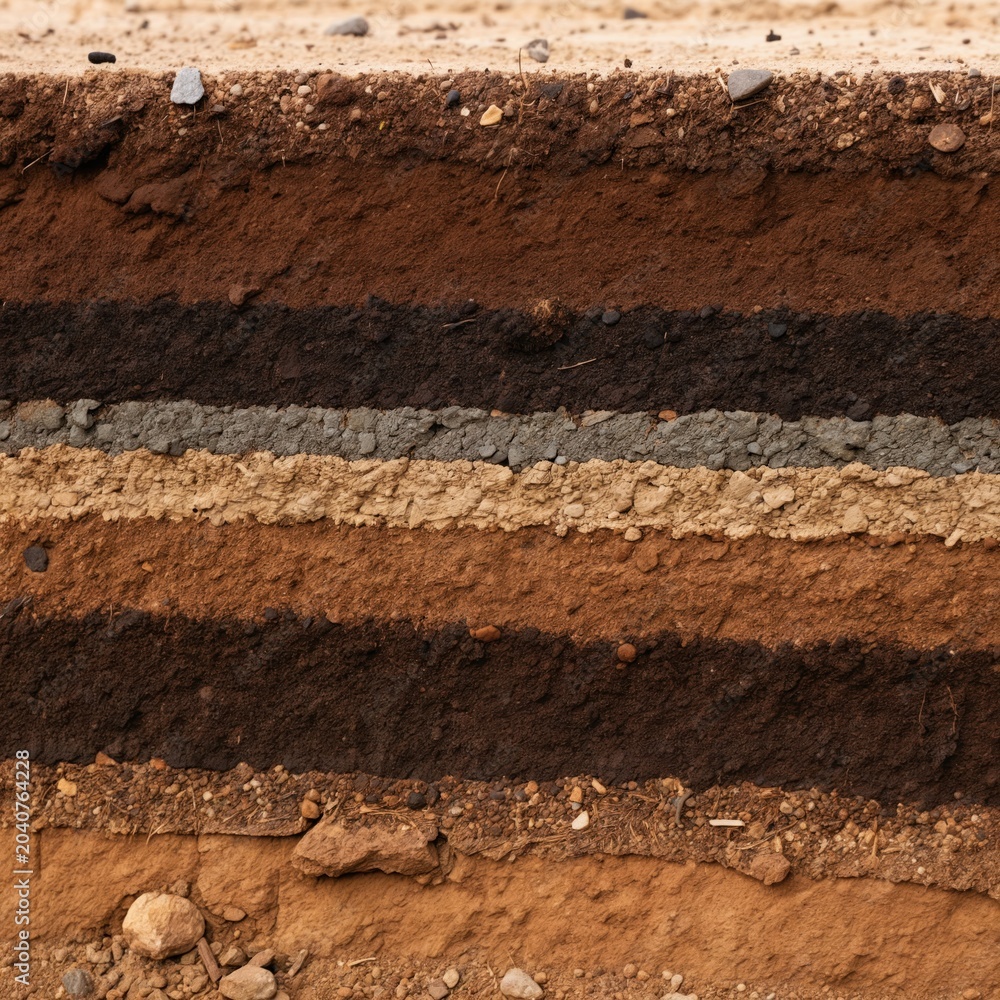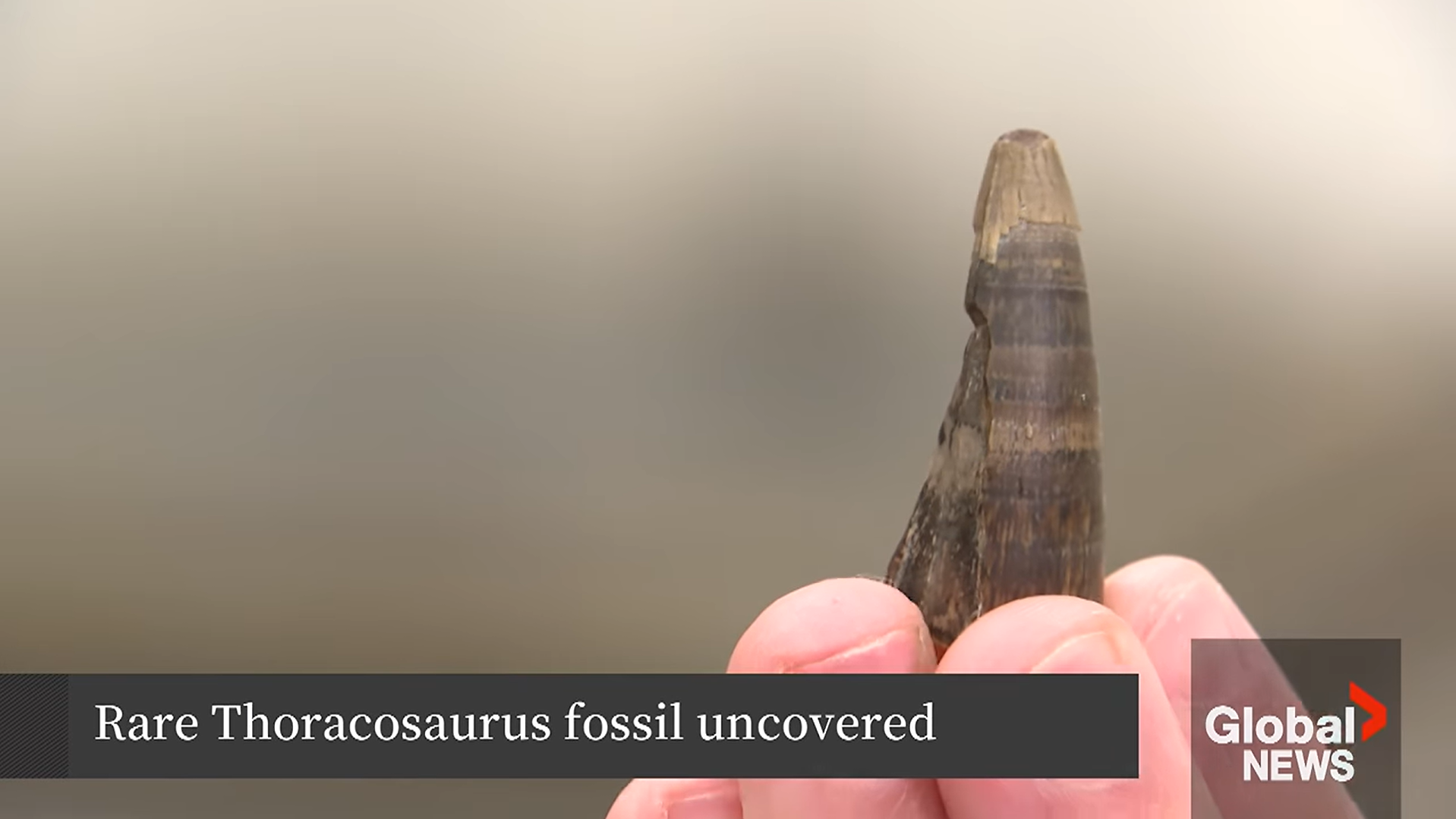
The ground in southwestern Saskatchewan does not give up its secrets easily. When a field crew working in Grasslands National Park pulled a rare Thoracosaurus tooth from the dirt, headlines framed it as a neat prehistoric curiosity. They missed the structural fracture line running right through modern paleontology. This finding is not just another dusty tooth to toss into a museum drawer. It is an anomalous marker that forces researchers to confront uncomfortable gaps in our maps of the Late Cretaceous and Early Paleocene worlds.
For decades, the accepted academic consensus slotted the Thoracosaurus neatly into a specific box. It was treated primarily as a marine or coastal dweller, a long-snouted relative of modern crocodiles that preferred the salty embrace of shallow interior seaways. Finding its remains in marine-adjacent shales along the fringes of ancient coastlines made sense. Finding them deep inland within terrestrial sediment layers upends that neat geography.
This latest specimen marks a rare occurrence in Canadian fossil records. More importantly, it joins a tiny handful of anomalous regional discoveries that suggest these aquatic predators were far more adaptable, or our paleogeographic models are far more flawed, than anyone wanted to admit.
The traditional narrative relies heavily on uniformitarian assumptions. We map the ancient Western Interior Seaway, draw clean lines where the water met the shore, and assume terrestrial animals stayed on the land while marine reptiles stayed in the brine. Nature, as it so often does, refuses to respect human cartography. When an aquatic predator turns up far inland, it exposes the limits of how we reconstruct prehistoric river networks, estuarine environments, and seasonal flooding events.
Consider how these fossils actually form and preserve. Teeth are durable. They survive transport better than fragile skeletal structures, which leads to the perennial debate among field researchers: did the animal actually live and die in this inland habitat, or did a scavenging dinosaur swallow the tooth, or did a massive seasonal surge wash the remnant far upriver?
Each hypothesis carries heavy implications. If the Thoracosaurus actively navigated freshwater river systems far from the open ocean, we are looking at an ecological niche-swapping event comparable to modern crocodilians that venture hundreds of miles up major river systems. If these remains were transported by geological violence, we are underestimating the sheer kinetic force and reach of ancient catastrophic flooding. Either way, the textbook models require a heavy redacting.
There is a deeper institutional inertia at play here. Academic funding cycles and public-facing museum communications favor neat, easily digestible breakthroughs. A new species gets a splashy press release; an anomalous tooth that messes up regional mapping gets filed away for decades of tedious micro-fossil analysis. Researchers spend years trying to force new data points into old, comfortable paradigms because admitting that a foundational environmental model is wrong means rewriting decades of peer-reviewed literature.
The field teams combing Grasslands National Park are doing the hard, unglamorous work of micro-fossil recovery. They are sieving tons of matrix, looking at microscopic teeth, scales, and amber fragments to reconstruct a comprehensive picture of a lost ecosystem. They aren't looking for cinematic monster headlines. They are looking at the granular reality of what lived together in the mud millions of years ago.
When those microscopic views clash with macro-scale assumptions, science does what it is supposed to do. It stumbles, it argues, and it slowly forces a correction. The isolated tooth from Saskatchewan is a symptom of a larger, systemic shift in how we view prehistoric animal distribution. We are moving away from rigid lines on a map and toward a messier, more fluid reality where aquatic predators pushed boundaries we never knew existed.
The dirt doesn't care about our clean categories. Until we accept that the margins of ancient ecosystems were far more porous than our textbooks suggest, we will keep digging up anomalies and acting surprised when the past refuses to stay where we put it.