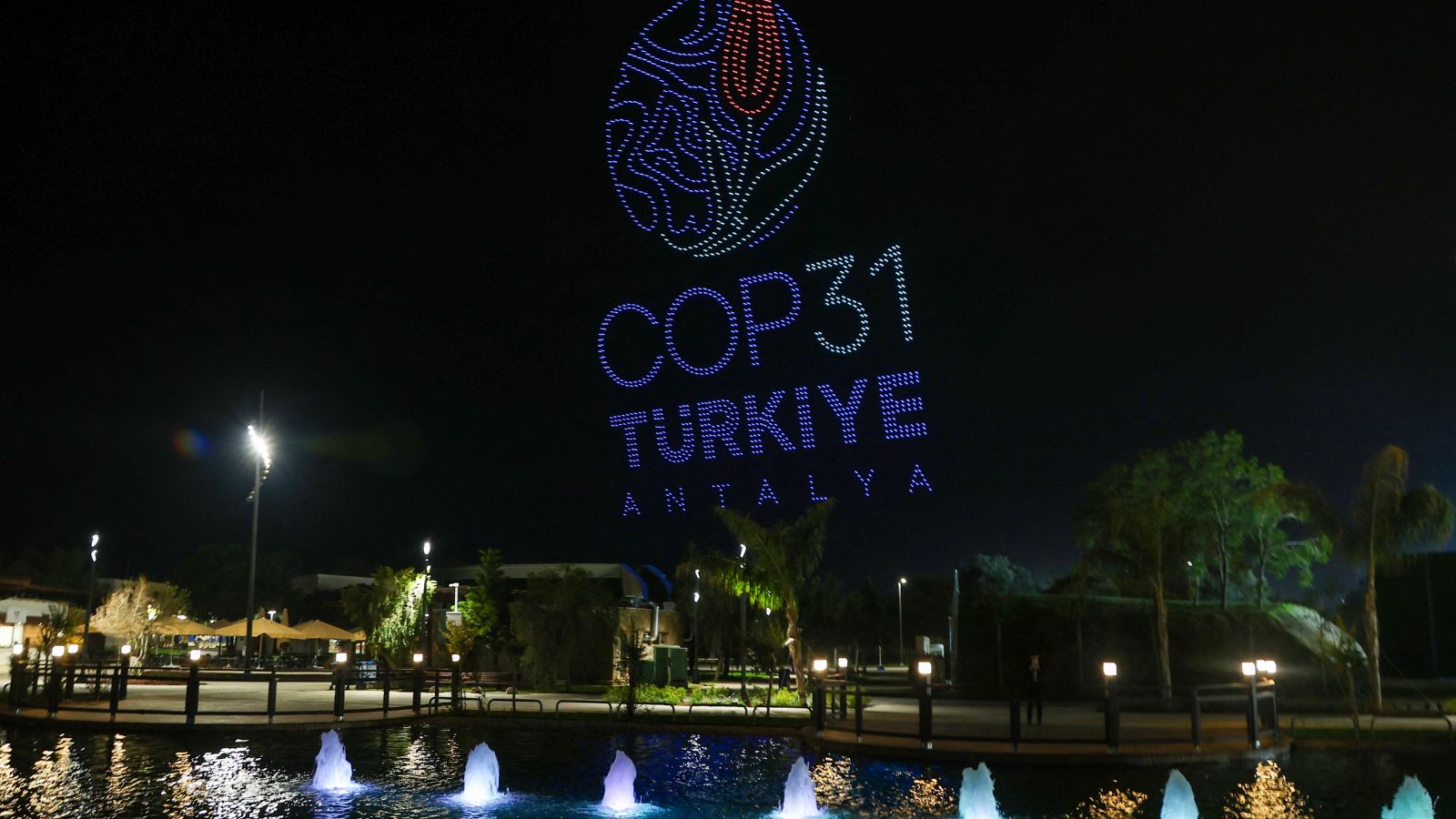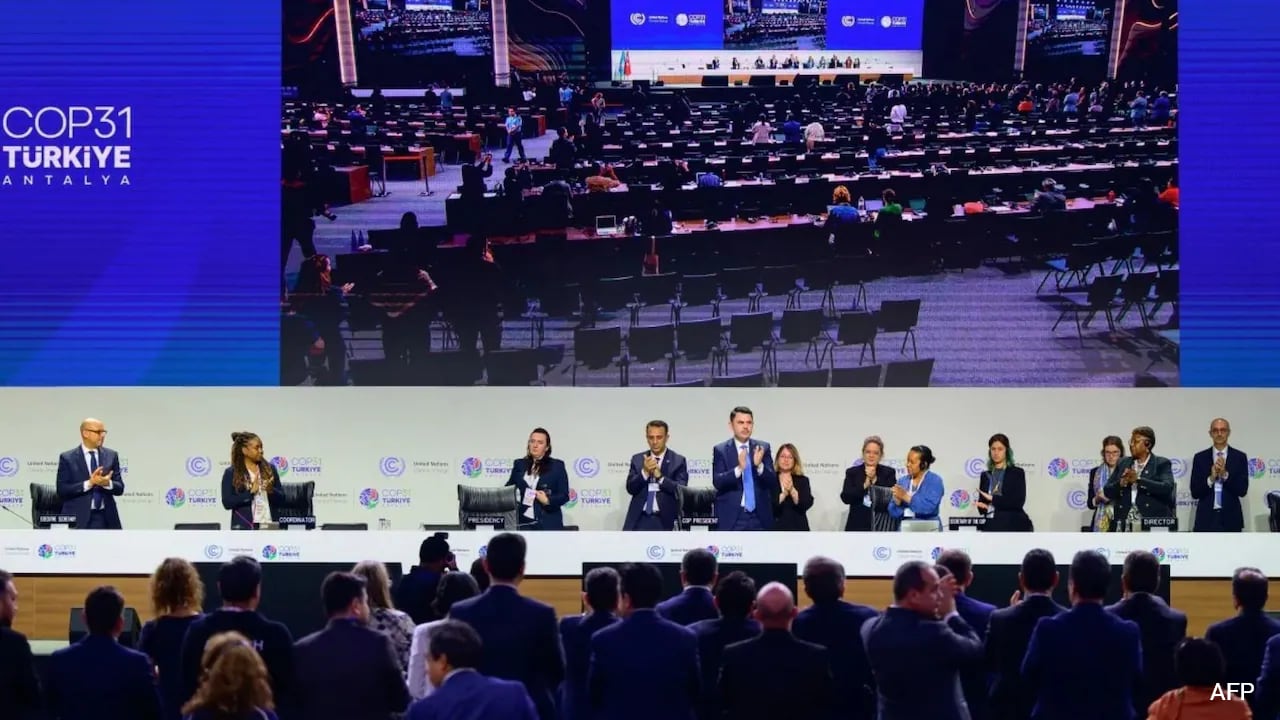
The talks ran out of time. They ran out of coffee. Ultimately, they ran out of the diplomatic fiction that nearly two hundred nations with irreconcilable economic interests can unanimously agree to dismantle the energy system powering the modern world.
When the longest UN climate summit in history collapsed without a binding deal on fossil fuels, the headlines focused on fatigue and political stubbornness. That reading misses the structural reality of what actually happened behind closed doors. The deadlock was not an accident of poor scheduling or weak chairmanship, nor was it simply a clash between green idealists and oil barons. It was the predictable collision of three hard constraints: the consensus voting rule of the United Nations Framework Convention on Climate Change, the uncompensated economic shock of rapid decarbonization for developing producers, and the quiet refusal of wealthy nations to underwrite the transition they demand.
The Structural Trap of UN Consensus
To understand why these negotiations routinely stretch days past their official deadlines only to produce watered-down text, you have to look at the rulebook. Under UN climate procedures, decisions require consensus.
Consensus does not mean a simple majority. It does not even mean a supermajority. In practice, it functions as a functional veto for every single party in the room, from tiny Pacific island states facing existential sea-level rise to petrostates whose national budgets depend entirely on crude exports.
For decades, diplomats worked around this trap through constructive ambiguity. They drafted sentences so elastic that a European climate minister could fly home claiming a historic victory for clean energy, while an oil minister could read the exact same paragraph and assure domestic markets that business would continue uninterrupted. Words like "phase down" instead of "phase out," or qualifiers like "unabated" attached to fossil fuels, kept the process alive on paper.
That linguistic sleight of hand has finally hit a wall. The physics of atmospheric carbon do not negotiate, and the gap between what climate science demands and what global energy markets actually supply has grown too wide to paper over with clever phrasing. When negotiators attempted to lock in explicit timelines and concrete reduction targets for coal, oil, and gas, the consensus model did what it was always designed to do. It protected the status quo.
A single bloc of major producers can stall plenary sessions for thirty-six hours straight by demanding line-by-line revisions to draft texts. By the time the final gavel drops—or fails to drop—exhaustion becomes a negotiating weapon. Smaller delegations with three or four staffers cannot match the endurance of massive national teams rotating shifts around the clock.
Follow the Balance Sheets
Strip away the diplomatic speeches and look at sovereign balance sheets. You will find the real reason the fossil fuel deadlock persists.
For major oil and gas exporters, hydrocarbons are not merely a profitable sector of the economy. They are the social contract. In countries across the Middle East, parts of Latin America, and Central Asia, fossil fuel revenues pay for public healthcare, subsidize food and electricity, fund infrastructure, and maintain political stability. Asking these governments to sign an unconditional death warrant for their primary revenue stream without a viable, funded economic alternative is asking them to invite domestic upheaval.
Meanwhile, a second front of resistance comes from rapidly industrializing nations that are heavy energy importers. Consider a hypothetical example of a developing economy with a population of 150 million, where tens of millions of citizens still lack reliable electricity. For that government, cheap coal or natural gas is the fastest route to building factories, refrigerating medicine, and lifting people out of poverty. When delegates from wealthy Western nations—countries that built their own industrial dominance on two centuries of unrestricted coal and oil burning—lecture these governments on keeping carbon in the ground, the reaction in the negotiating halls is swift and bitter.
The Finance Deficit
This brings us to the unspoken bargain at the heart of every UN climate conference since the 1992 Rio Earth Summit. Developing nations agreed to participate in global emissions reductions on the explicit condition that wealthy, historically high-emitting nations would provide the climate finance and technology transfer required to make a clean transition possible.
That promise remains largely unfulfilled. Even when headline funding targets are announced, the fine print tells a different story. Much of the capital offered to the Global South arrives not as grants, but as commercial-rate loans that deepen existing sovereign debt crises. A nation already spending more on debt service than on education cannot borrow billions at high interest rates to overhaul its national power grid while simultaneously retiring functional coal plants early.
Without massive, concessional capital flows to de-risk renewable infrastructure and compensate for stranded assets, developing producers view a strict fossil fuel phase-out not as an environmental pact, but as an economic trap.
The Myth of the Clean Break
There is another layer of hypocrisy that rarely makes it into the official press releases, yet everyone in the corridors of the summit knows it well. Many of the industrialized nations pushing hardest for aggressive anti-fossil-fuel language in the UN text are simultaneously expanding their own domestic oil and gas production or signing long-term liquefied natural gas import contracts.
Energy security overrides climate rhetoric the moment domestic utility bills spike. When geopolitical shocks disrupt pipeline flows or shipping lanes, governments immediately prioritize keeping the lights on and voters warm. They approve new drilling licenses, restart mothballed coal generators, and subsidize fuel prices at the pump.
Negotiators from fossil-fuel-exporting states watch these domestic policy reversals closely. When they sit across the table from Western counterparts demanding an immediate end to hydrocarbon investment, they see a double standard. They argue, with considerable logic, that wealthier nations want to restrict global supply while continuing to consume oil and gas until their own domestic clean-energy grids are fully built out—a dynamic that would simply hand market share to high-cost Western producers while impoverishing developing exporters.
Supply Side Versus Demand Side
This tension exposes a fundamental flaw in how UN negotiations approach the fossil fuel problem. The diplomatic battle has focused almost entirely on supply-side restrictions—telling producers to stop pumping oil and mining coal.
Markets do not work that way. If you choke off supply while global demand for aviation fuel, petrochemicals, cement, steel, and baseload electricity continues to climb, prices surge. High prices trigger inflation, punish lower-income consumers worldwide, and ironically make fossil fuel extraction even more lucrative for whichever producers ignore the restrictions.
True energy transition happens when clean alternatives become cheaper, more reliable, and easier to deploy at scale than hydrocarbons—effectively destroying fossil fuel demand from the bottom up. Solar panels and utility-scale batteries have already begun doing this in the power sector. Yet heavy industry, long-haul shipping, and seasonal grid storage still lack cost-competitive, drop-in replacements at global scale. Until those technological and supply-chain bottlenecks are solved, demand for hydrocarbons remains stubbornly inelastic.
Where Real Power Actually Moves
Does the collapse of the UN fossil fuel deal mean global decarbonization has stopped? Hardly. It means the center of gravity has shifted away from multilateral UN plenaries and toward bilateral trade rules, industrial policy, and capital markets.
While diplomats argue over punctuation in draft resolutions, major economic blocs are unilaterally rewriting the rules of global commerce. Mechanisms like the European Union's Carbon Border Adjustment Mechanism act as climate tariffs at the border, penalizing imported steel, aluminum, and cement produced with high-carbon power. If a manufacturer in Asia wants to sell into European markets without paying punitive border taxes, it has to decarbonize its supply chain regardless of what its national government agreed to at a UN summit.
At the same time, massive domestic subsidy packages in the United States, Europe, and China are redirecting hundreds of billions of dollars into domestic battery manufacturing, clean hydrogen, and grid modernization. Sovereign wealth funds and institutional investors are reallocating capital not out of moral obligation, but because the long-term return on solar, wind, and grid storage increasingly outpaces new fossil fuel projects.
The Cost of Diplomatic Theater
The danger of prolonged UN deadlocks is not that they halt energy markets, which move on their own commercial logic. The danger is that they erode public trust and waste precious political bandwidth.
Every year, tens of thousands of officials, lobbyists, activists, and journalists fly to a host city for two weeks of high-stakes theater. When the marathon sessions end without a deal, cynicism sets in. Citizens conclude that international cooperation is impossible, while vulnerable nations watching their coastlines erode are left with empty procedural extensions and promises to revisit the issue at the next annual gathering.
If the UN climate process is to survive as anything more than an annual trade show and networking event, it will have to confront its own governance paralysis. That means either moving away from strict consensus voting toward coalition-based agreements among willing nations, or breaking the monolithic summit down into smaller, sector-specific deals covering shipping, steel, methane abatement, and grid finance where concrete progress is actually measurable.
Until wealthy nations put real, non-debt capital on the table to pay for the transition they demand, and until negotiators stop pretending that diplomatic ink can repeal the laws of energy supply and demand, the world's longest climate talks will keep ending the exact same way—in an empty hall, with the clock stopped, and the pumps still running.