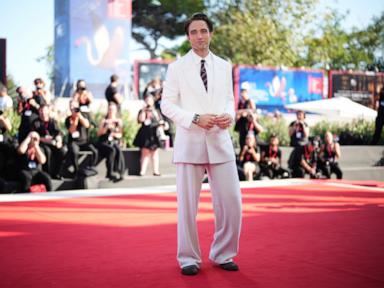
The 83rd Venice International Film Festival reached its chaotic climax as NAZA—a clandestine documentary investigating the automated systems behind civilian casualties in Gaza—provoked a record-shattering 25-minute standing ovation, instantly transforming an artistic competition into a geopolitical referendum. Directed by Yuval Abraham and Rachel Szor, the film arrived on the Lido as a late addition, carrying the heavy pedigree of their previous Oscar-winning work. Yet the ensuing applause inside the Sala Grande was less a standard cinematic tribute and more a raw nerve ending exposed to open air. Festival audiences found themselves trapped between the sterile mechanics of algorithmic warfare and the messy, visceral reality of modern documentation.
Venice has always wrestled with political friction, but NAZA represents a fundamental shift in how international cinema engages with active conflict. The film derives its title from a military acronym used by Israeli intelligence—Nezek Agavi—shorthand for collateral damage and the calculated arithmetic of expected civilian deaths attached to a targeted strike. Over eighty minutes, assembled across three years of covert reporting on Tel Aviv rooftops, the directors place twenty-four anonymous intelligence officers and soldiers on the record. Their faces are digitally masked, their voices distorted. They do not speak of battlefield fog or split-second adrenaline. They describe spreadsheets, automated targeting protocols, and the logistical acceptance of wiping out entire family households to eliminate low-ranking military targets.
The critical establishment rushed to crown the film as an automatic Golden Lion contender, praising its sobering transparency. But focusing solely on the duration of the applause misses the deeper institutional panic unfolding behind the scenes. Major film festivals survive on a delicate balance of glamour, state diplomacy, and safe provocation. When an entry targets active military campaigns through the testimony of internal whistleblowers, it tests the structural integrity of the festival apparatus itself. Artistic director Alberto Barbera defended the late selection as a groundbreaking cinematic necessity, yet the programming choice forced juries, international distributors, and press corps into uncomfortable corners.
The documentary builds directly upon investigative journalism published between 2023 and 2025 by outlets like Local Call, +972 Magazine, and The Guardian, which also produced the film alongside James Wilson and executive producer Jonathan Glazer. This lineage introduces an essential question about the boundary between journalism and cinema. Critics of the film argue that transferring investigative reporting onto the silver screen risks converting complex geopolitical tragedies into digestible art-house commodities. When festival-goers weep in velvet seats while clutching cardboard protest signs on the red carpet, a strange alchemy occurs. Suffering is aestheticized, packaged into a competitive entry vying for a gilded statue handed down by a jury chaired this year by Maggie Gyllenhaal.
The mechanics of the testimonies reveal a chilling institutional banality. The soldiers interviewed in NAZA detail how artificial intelligence systems streamlined target generation, drastically lowering human review thresholds and shifting the burden of justification onto machine logic. By laying bare these operational protocols, the film bypasses standard political rhetoric and zeroes in on bureaucracy. It argues that mass casualties are not aberrations born of chaotic urban combat, but predictable outputs of an automated infrastructure.
This premise creates an acute dilemma for the international film community. If the jury awards the Golden Lion to NAZA, critics will accuse the festival of weaponizing art for partisan diplomacy. If the film is passed over, cynics will claim festival executives buckled under political pressure to appease state interests. Last year’s precedent with The Voice of Hind Rajab—another politically charged Gaza-focused work that drew immense applause before missing the top prize amid rumored jury splits—demonstrates that Venice juries often flinch at the final moment, retreating to safer artistic terrain.
Yet retreating is no longer straightforward. The creators of NAZA constructed the project out of a self-described obligation to interrogate their own society's operational logic from the inside. Abraham and Szor are not neutral outsiders dropping into a crisis zone; they are filmmakers operating from within the culture that built the machinery they critique. That internal perspective strips away the comfortable distance foreign audiences usually maintain when consuming documentaries about distant wars.
As the Lido prepares to announce its final palmarès, the shadow of NAZA lingers far beyond the screening rooms. It forces a reckoning with how stories of industrial-scale violence are consumed, judged, and rewarded within cultural institutions built on luxury and prestige. The prolonged ovation was loud, but the silence that follows the awards ceremony will determine whether cinema can actually confront power, or simply applaud it from a safe distance.