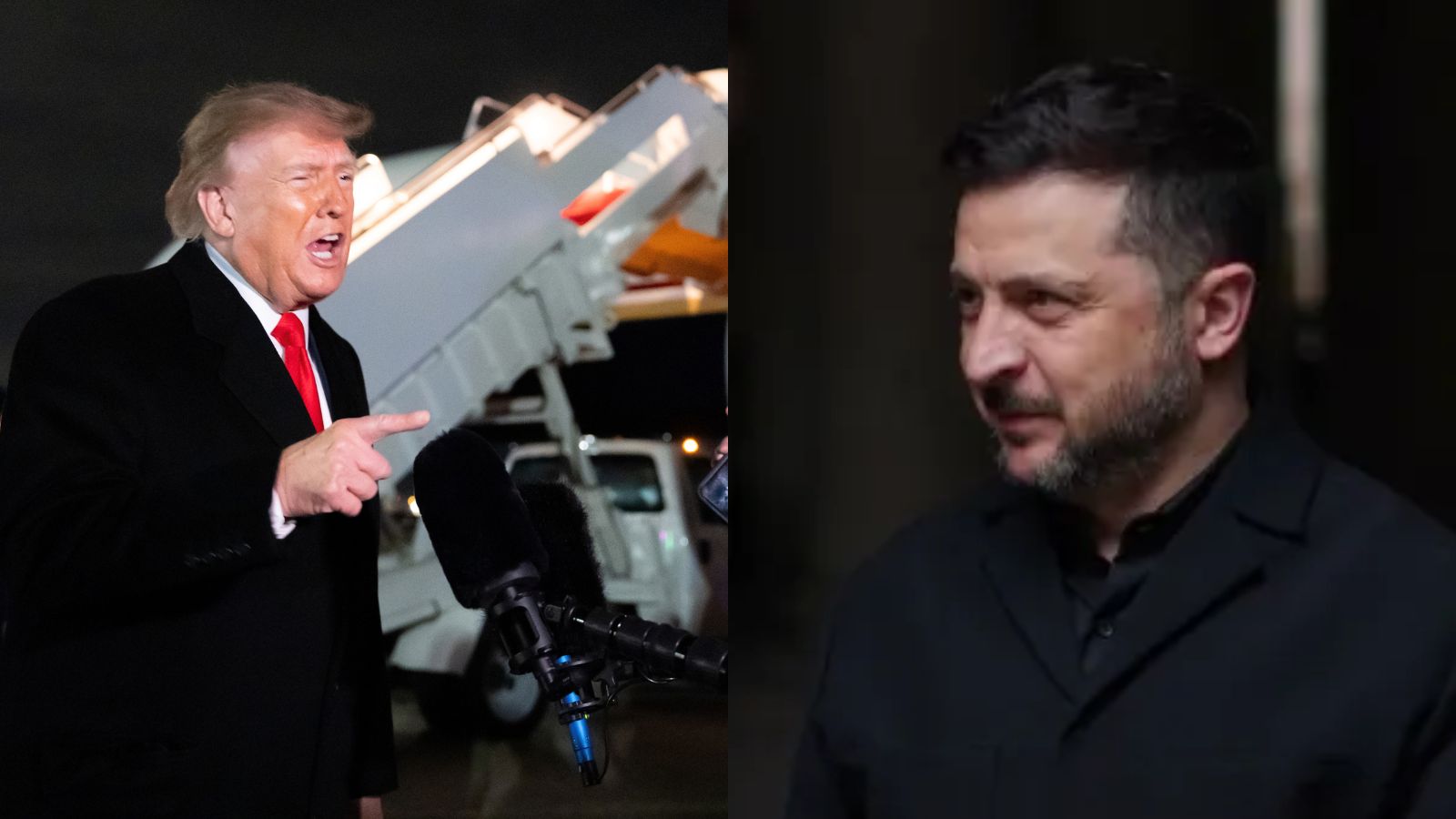
The friction between Washington and Kyiv reached a brutal inflection point following a high-stakes transaction involving Russian petroleum exports and domestic U.S. fuel costs. When the White House chose to carve out exceptions for Moscow's refined energy products to stabilize consumer prices before midterm elections, the geopolitical fallout was immediate. Ukrainian leadership openly condemned the policy shift as a direct lifeline to the Kremlin, triggering an angry public rebuke from American officials. This escalating dispute exposes a fundamental chasm between Washington’s domestic electoral imperatives and Kyiv's existential strategy of targeting the financial engines of the Russian war machine.
For months, Ukrainian long-range drone units systematically targeted Russia's primary processing facilities, refineries, and fuel depots. The objective was mathematically sound: choke off the refined diesel revenue that directly funds Moscow's mechanized brigades and air campaigns. Every barrel taken offline represented a fraction of logistical mobility lost on the frontline. But modern energy markets are deeply interconnected. When refinery disruptions compounded global shortages—exacerbated by wider Middle Eastern conflicts—retail prices at American pumps climbed steadily.
In the calculus of executive politics, inflation at the pump remains an immediate existential threat to incumbent power, whereas a grinding artillery exchange in Eastern Europe feels distant to the average voter. Faced with mounting consumer pressure, the White House reversed course on broad sanctions architecture, carving out waivers to permit hundreds of thousands of tons of Russian diesel into global circulation.
President Volodymyr Zelenskyy characterized the reversal as an unacceptable compromise with an aggressor. Publicly expressing profound frustration, Kyiv argued that easing economic pressure on Moscow rewards ongoing military escalation. In response, the American administration escalated the rhetoric, suggesting that Ukraine’s leadership was failing to navigate the conflict pragmatically and openly questioning the tenure of the Ukrainian president.
This diplomatic rupture highlights the fragile mechanics of alliance politics. Washington views its support through the lens of transactional diplomacy, where partner nations are expected to align with immediate Western economic relief measures. Kyiv, conversely, operates under zero-sum survival parameters. When economic relief for American drivers translates into replenished state coffers for the Kremlin, the alliance's underlying contradictions break into the open.
The immediate operational impact on the battlefield was swift. While international traders adjusted to the influx of permitted product, Russian forces sustained their aerial bombardments on Ukrainian municipal centers and critical utilities. The policy divergence demonstrates that geopolitical expediency often overrides long-term strategic alignment, leaving front-line states to absorb the heavy costs of domestic political calculations thousands of miles away.
Trump tells Zelensky to stop striking Russian diesel infrastructure
This video provides context on the diplomatic tension surrounding Washington's demands for Kyiv to alter its targeting strategy against Russian refineries.