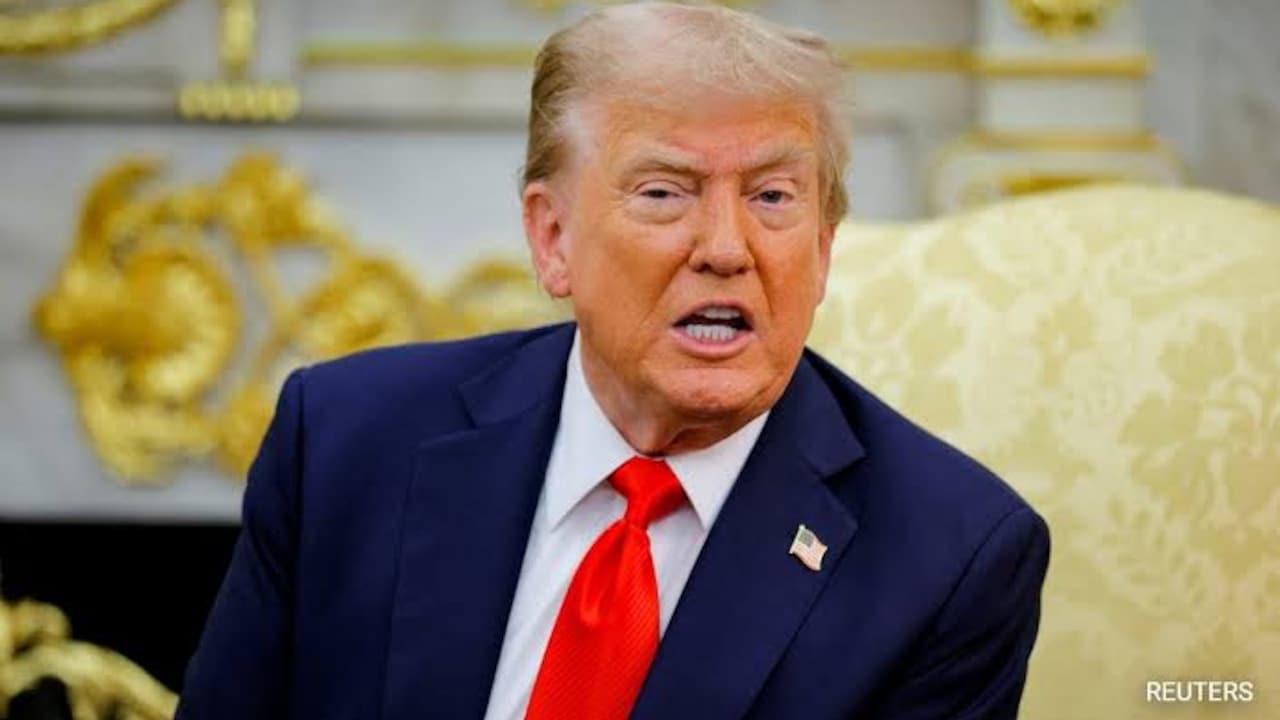
The standoff between the White House and major news networks over press pool credentials has exposed a fundamental fracture in how executive power interacts with the constitutional right to report. When the Trump administration moved to strip CNN, MS Now, and Politico of their credentials, it did not merely execute a procedural punishment. It triggered a high-stakes constitutional collision that tested the limits of presidential discretion and forced a collective reckoning across the entire Washington press corps.
Federal courts moved swiftly to block the ban, with District Judge Timothy Kelly issuing orders pointing out the absence of due process in revoking access. Yet the ink on the judicial rulings had barely dried before the friction points multiplied. Restoring a hard pass to walk onto the White House grounds is one thing; forcing an administration to grant editorial participation inside the tight confines of the rotating presidential press pool is an entirely different battleground.
The Mechanics of Exclusion
Executive branch access has never been an absolute statutory entitlement, but it has historically operated under unwritten norms of professional continuity. When those norms snap, the mechanics of exclusion become remarkably blunt. Secret Service credentials are pulled, physical access checkpoints turn hostile, and reporters find themselves locked out of briefings not because of security infractions, but because of editorial friction.
Justice Department attorneys argued in court that executive access remains a privilege under administrative control rather than a constitutionally mandated right. That argument collides directly with decades of established jurisprudence holding that once the government opens a forum to the press for public discourse, it cannot selectively eject outlets based purely on the content or critical nature of their reporting. Judge Kelly noted precisely that distinction, pointing out that administration officials cited negative coverage rather than genuine national security threats when justifying the crackdown.
Solidarity and the Breaking Point
The administrative penalty imposed on CNN sparked an unprecedented operational crisis within the media infrastructure of Washington. When CNN was dropped from the traveling press pool for a presidential trip to New York, the remaining network members of the traditional pool collective made a historic choice. Rather than quietly absorbing the extra coverage responsibilities, they suspended the collaborative television pool entirely.
That collective refusal broke the routine machinery that feeds video and reporting to the entire global news ecosystem. For a brief window, the traditional visual pipeline of the presidency ground to a halt because the major networks recognized an existential threat: if the administration could unilaterally prune individual outlets from the rotation, the independence of the pool system itself was effectively finished.
Beyond the Physical Gate
While court injunctions managed to force open the physical gates of the White House complex for individual reporters, the deeper architectural dispute over the pool structure remains unresolved. Access to the grounds is only a fraction of the equation. Oval Office sprays, restricted briefings, and close-quarters travel aboard aircraft represent the core environments where accountability journalism actually happens.
When executive officials continue to restrict specific organizations from these core functions despite judicial warnings, it signals a calculated willingness to absorb legal defeats as a cost of political messaging. The administration treats media hostility as a badge of authenticity for its base, while news organizations view every restricted movement as a slippery slope toward state-managed information control.
The ongoing litigation guarantees that this confrontation will wind its way through appellate courts, setting a heavy precedent for how future administrations manage dissent within the gates of power. As long as access is treated as a weapon rather than an institution, the line separating executive communication from executive censorship will remain dangerously blurred.