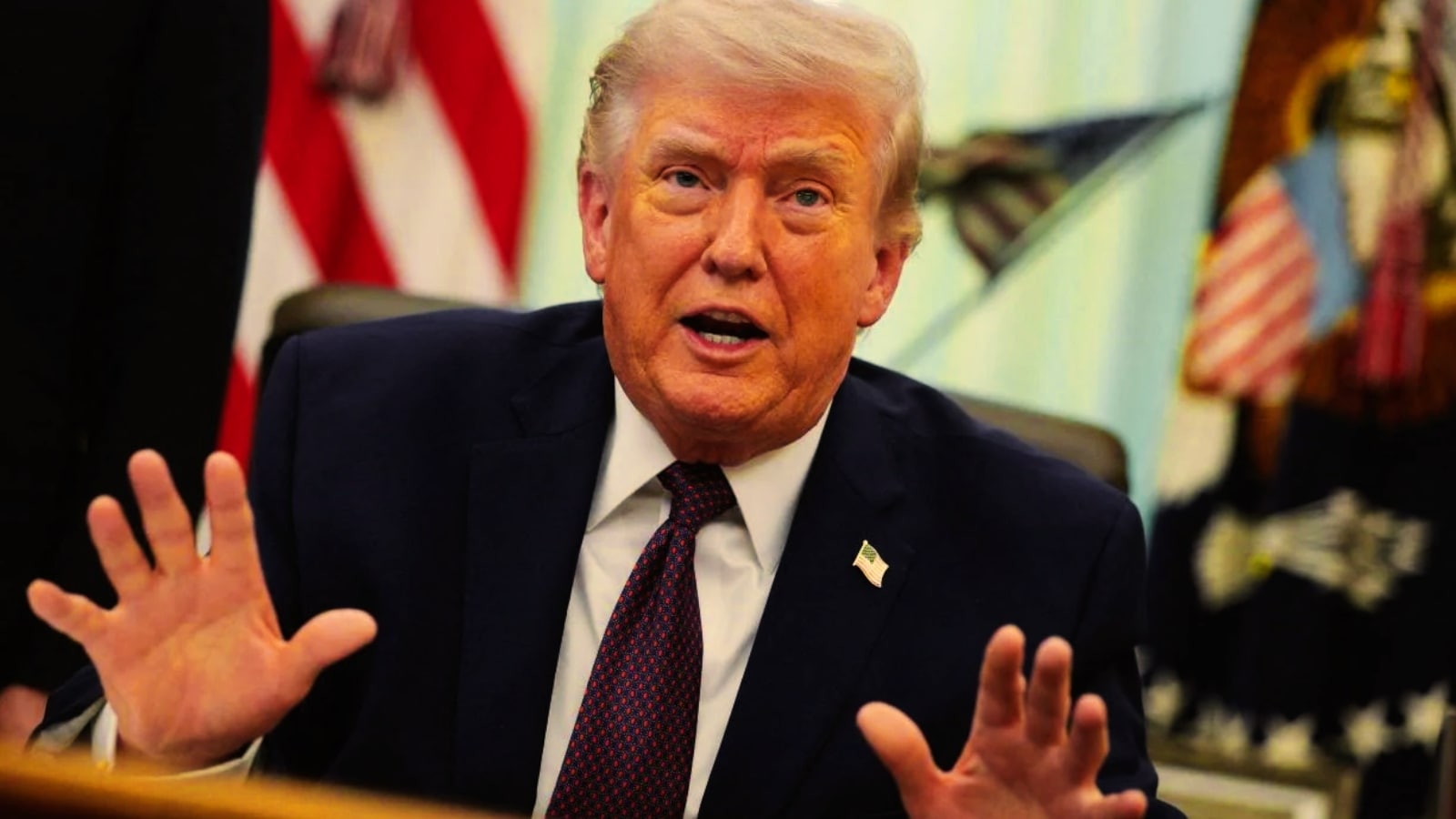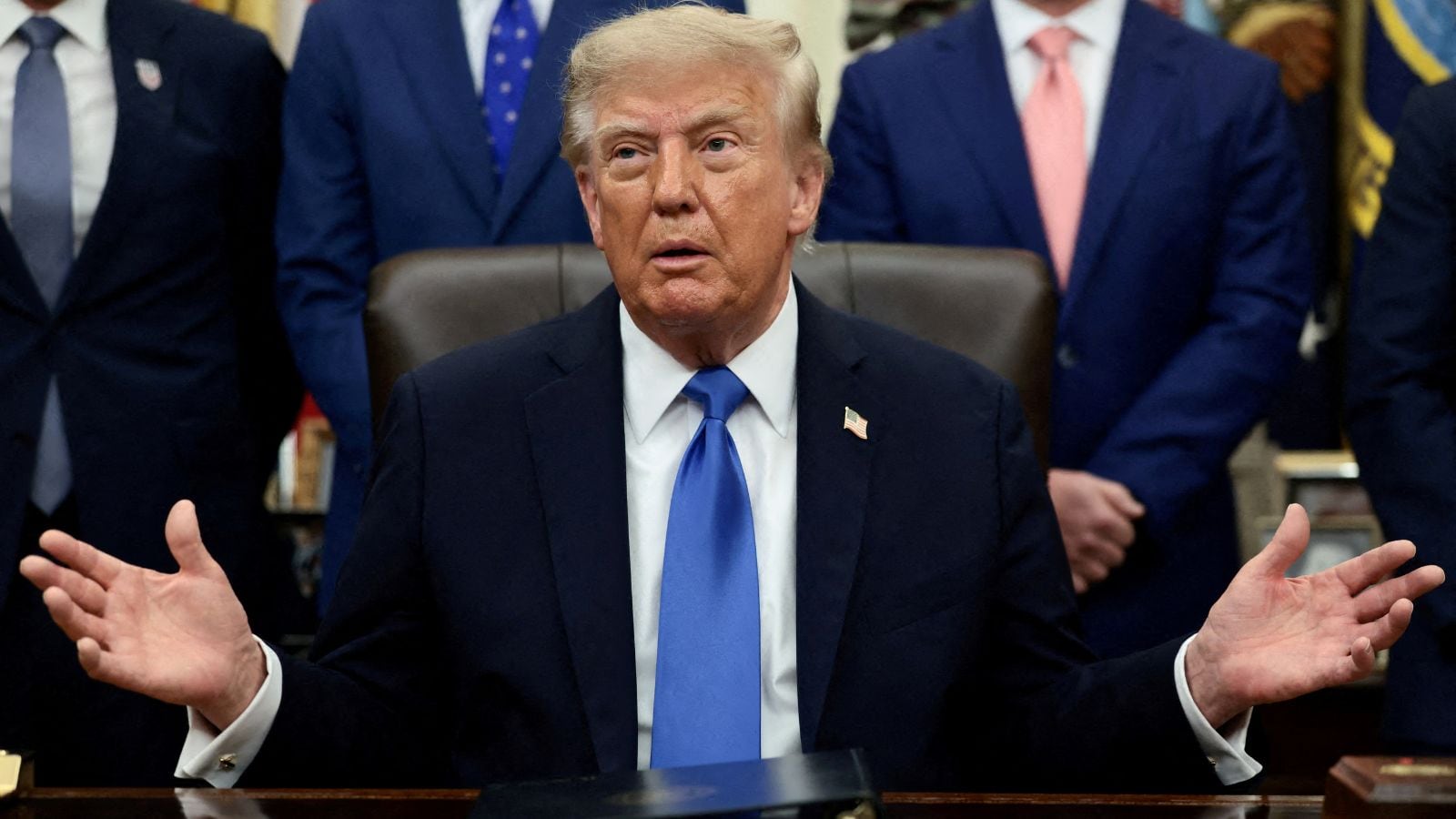
The diplomatic machinery between Washington and Tehran operates on a frequency of mutual distortion. When reports surfaced claiming that the White House was weighing economic sanctions relief and the unfreezing of billions in foreign assets in exchange for concessions on Iran’s nuclear program, the political reaction was swift and predictable. Donald Trump took to social media to shut the narrative down with characteristic bluntness, insisting that no such concessions had ever been offered.
This friction highlights a deeper reality of contemporary statecraft. Behind closed doors, intermediaries from Gulf states like Qatar shuttle between delegations attempting to stitch together a functional roadmap for the Strait of Hormuz. In public, leaders retreat to hardline postures designed for domestic consumption. Understanding why these negotiations remain deadlocked requires looking past the rhetorical posturing and examining the hard economic math governing both capitals.
Tehran faces a severe domestic crisis. The rial has plunged to historic lows, inflation hovers at crushing levels, and strict maritime blockades have reduced oil exports to a fraction of their former volume. For a regime whose survival depends on maintaining state subsidies and internal security patronage, the loss of tens of billions in annual petroleum revenue is an existential blow. Iranian officials have floated conditional frameworks requiring the lifting of economic penalties, the release of restricted assets, and guarantees over regional transit lanes before any permanent security arrangement can take hold.
Yet Washington holds the upper hand in the immediate term. The White House operates under the assessment that maximum economic pressure is working precisely as intended. From the perspective of American strategists, easing restrictions prematurely surrenders the primary leverage point before securing verifiable limits on nuclear development or permanent protection for global energy corridors. The administration maintains that Iran’s overtures stem from desperation rather than a genuine shift in strategic intent.
This dynamic creates a permanent structural barrier to formal diplomacy. Tehran demands economic oxygen upfront as a precondition for behavioral changes, while Washington insists that behavioral compliance must precede the return of any frozen wealth. Intermediaries attempt to bridge this chasm through phased proposals, suggesting that incremental opening of shipping channels could be matched by proportional financial relief. Yet every minor leak to the press regarding these confidential discussions triggers immediate public denials from American leadership eager to project strength.
The stakes extend far beyond bilateral grievances. The Strait of Hormuz remains a critical artery for international energy markets, carrying a massive share of global petroleum and liquefied natural gas. When indirect talks stall, energy traders react instantly, driving volatility through global supply chains. The political landscape in Washington, altered significantly by recent midterm outcomes, adds another layer of urgency and constraint to executive decision-making.
Ultimately, the standoff persists because neither side can afford to blink first without losing face at home. Until economic desperation forces a genuine recalculation in Tehran or political necessity forces a compromise in Washington, the diplomacy will remain stuck in the shadows, characterized by fierce denials, backchannel friction, and an unyielding war of attrition.