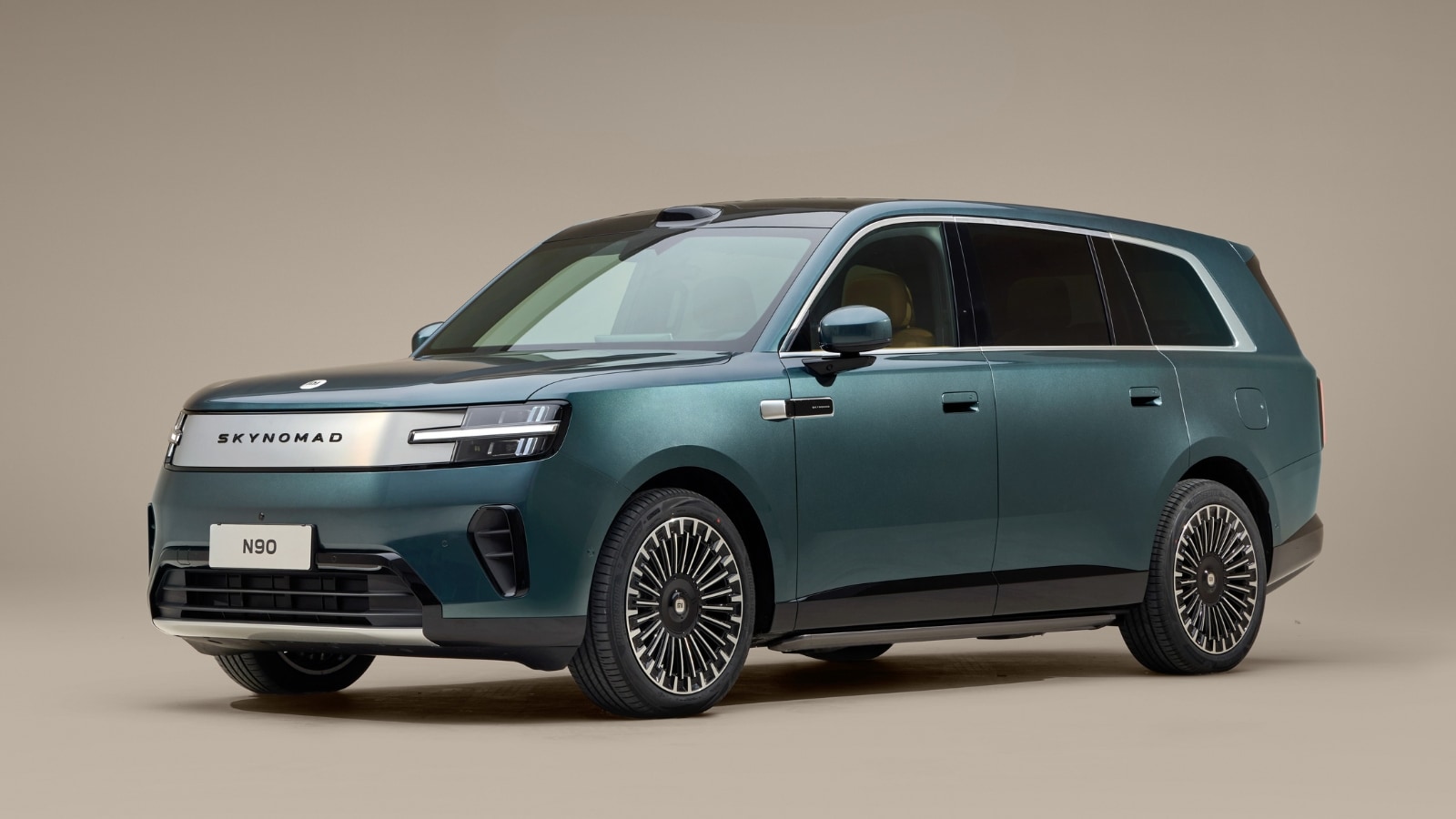
When Xiaomi announced that its debut extended-range electric vehicle series, the SkyNomad, had hauled in over 70,000 locked-in orders within its first month, Wall Street reacted with predictable euphoria, sending company shares up 9.2 percent. It is a staggering headline number, characteristic of the breathless velocity of China’s new energy vehicle market. Yet veteran automotive analysts watching Beijing and Shanghai showrooms know that a locked-in order is merely an expression of intent secured by a non-refundable or penalty-backed deposit, not a car sitting in a driveway. The real test for any consumer electronics giant turned automaker is not how fast it can collect digital signatures, but how quickly it can push those configurations past factory bottlenecks without bleeding cash.
The SkyNomad lineup—spanning the N70 and the larger N90 Max—represents a calculated pivot for Lei Jun’s automotive division. Having proven they could build a slick battery-electric sedan that captured public imagination, Xiaomi needed to address the hard ceiling of pure electric adoption: range anxiety and family practicality. By entering the extended-range electric vehicle sector, Xiaomi directly challenged established domestic players like Li Auto. The N70 and N90 models, priced aggressively between roughly 209,900 yuan and 299,900 yuan, offer interior volume, long-distance fuel backup, and family-oriented amenities that target middle-class buyers migrating away from traditional gasoline flagships.
To understand why 70,000 orders materialized so quickly, one must look closely at the mechanics of Chinese EV marketing cycles. Automakers routinely use launch events to corral hyper-engaged consumer bases through tiered incentives. Xiaomi set an October deadline for its initial promotional packages, creating an artificial cliff that forced fence-sitters to finalize their configurations or forfeit launch perks. This strategy converts passive online interest into legally binding configuration locks at unprecedented speed. But a locked order sheet creates an immediate operational nightmare for the factory floor.
Behind the corporate press releases lies a grinding logistical puzzle. In its first full month of availability, the SkyNomad series contributed over 10,000 units to a monthly delivery tally that pushed Xiaomi past the 40,000-vehicle mark. Subsequent autumn tallies showed continued upward momentum, with monthly deliveries climbing past 50,000 units as assembly lines found their rhythm. Even so, converting a 70,000-unit backlog into finished steel, glass, and software-integrated cabins requires an unforgiving supply chain cadence. Every missing semiconductor, wiring harness, or battery cell threatens to turn a celebrated order book into a customer service liability.
Consider how this plays out in the broader market context. China’s broader passenger vehicle market has faced consecutive months of retail contraction, forcing legacy joint-venture brands into heavy discounting. Amid this downward pressure, tech-led entrants like Xiaomi survive by weaponizing their software ecosystems. Buyers shifting from a decade-old sedan to a SkyNomad are not merely purchasing transport; they are buying an extension of their smartphone interface, complete with rear-seat entertainment screens and deep smart-home integration. For the average urban family, that integrated user experience outweighs traditional handling dynamics or brand heritage.
Yet the financial tightrope remains visible. Xiaomi’s annual targets demand unrelenting volume, and the shelf life of a high-tech Chinese vehicle model is shrinking below twelve months as competitors rush updates to market. Gathering 70,000 digital commitments proves that the brand equity built by a decade of consumer electronics dominance transfers seamlessly to four wheels. Whether those margins can sustain the heavy capital expenditure of scaling factory output will determine if this SUV surge is a permanent restructuring of the automotive landscape or a brilliant, high-cost flash in the pan.