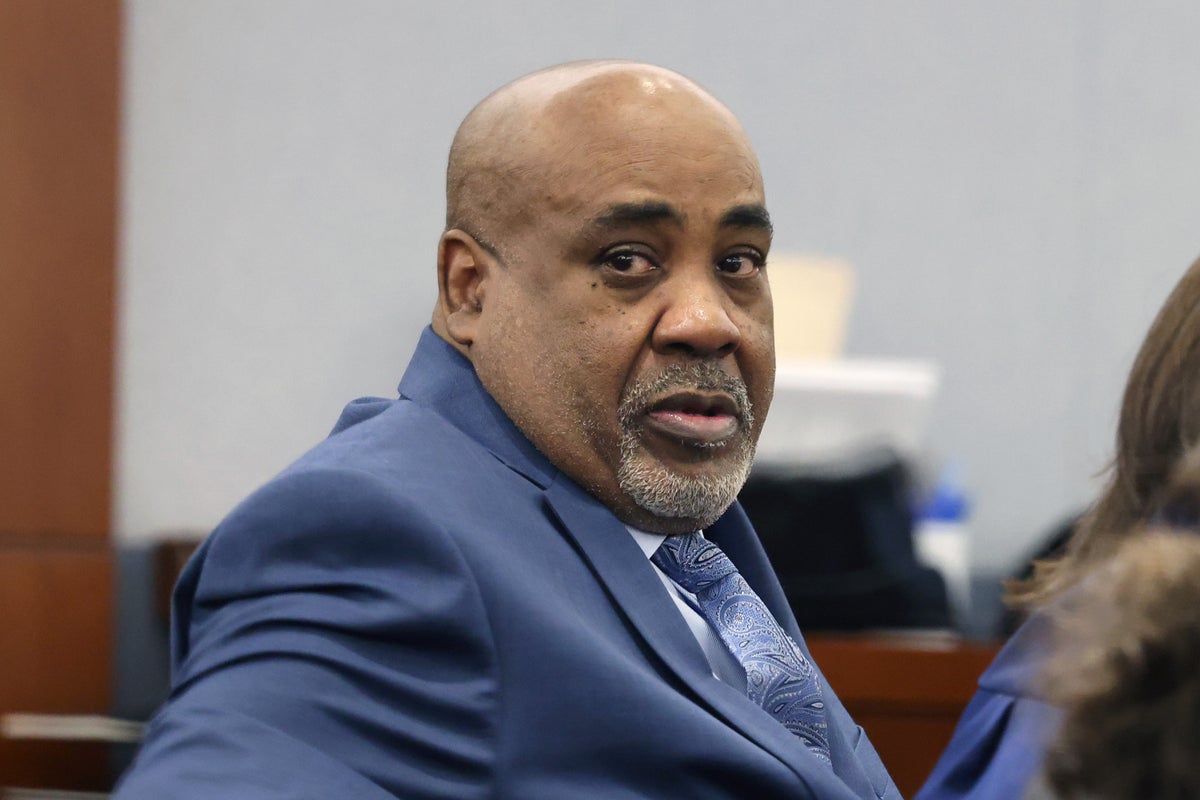
Streaming live from a massive sporting event changes the stakes completely. You aren't in the safety of a bedroom studio anymore. When UK streaming star AngryGinge found himself in a heated confrontation during the England vs Ghana match, the internet didn't react the way he probably expected. Instead of a wave of universal praise for standing up against alleged racism, a massive chunk of the online community pushed back hard. They slapped him with labels like "pathetic" and accused him of acting like a whiny Karen.
It is a bizarre turning of the tables. A creator tries to call out genuinely terrible behavior, and suddenly they become the villain in the eyes of thousands. This situation shows exactly how broken internet commentary has become.
People watch clips out of context. They project their own frustrations onto public figures. Most of all, they hate feeling like they are being lectured by a wealthy influencer who has a camera pointed at a crowd. To understand why this backlash happened, you have to look at the messy intersection of live streaming, stadium culture, and the weaponization of internet slang.
The Viral Spark at the England Match
Live streams are completely unpredictable. That is exactly why millions of people tune in. When Morgan Hudson, known to his fans as AngryGinge, went to watch the England vs Ghana match, he was there to create content and support his team. But the atmosphere changed instantly when an alleged racist comment entered the equation.
Ginge did what a lot of people claim they would do. He didn't ignore it. He turned around and confronted the person directly.
In his mind, and in the minds of his core supporters, this was the right move. Racism has plague-like status in football culture, and ignoring it only allows it to grow. But when you are a massive streamer with an active camera, every single movement looks performative to an outside observer.
The clip spread across X and TikTok like wildfire. Within hours, the narrative shifted from a creator standing up against bigotry to an influencer causing a scene for views. Critics claimed he was escalating a situation unnecessarily. They argued that his reaction looked less like genuine defense and more like an entitled tantrum.
Weaponizing the Karen Label Against Streamers
The phrase "Karen" used to mean something specific. It described an entitled person who used their privilege to bully workers or demand special treatment. Now, the internet uses it as a generic insult for anyone who complains or makes a scene in public.
Applying this specific label to AngryGinge in this scenario is incredibly telling. It shows a complete lack of nuance in online spaces.
Calling a young male streamer a Karen is an intentional tactic to strip away his authority. It frames his anger not as righteous indignation, but as weak, whiny entitlement. His critics wanted to paint him as a hyper-sensitive influencer who cannot handle the rough-and-tumble environment of a real football match.
Football stadiums are loud, tribal, and frequently hostile. Some fans believe that whatever happens in the stands should stay in the stands. When a streamer brings the hypersensitive rules of internet moderation into a physical stadium, a cultural clash happens immediately. The crowd, and the old-school football fans online, revolted against what they saw as an internet kid trying to police real life.
The Public Outrage and Content Dilemma
We live in an era where conflict is currency. Streamers know that high-drama moments pull in massive numbers. Because of this, audiences have become deeply cynical about everything they see on a screen.
When a regular fan confronts a racist at a match, it is an act of quiet bravery. When a streamer does it with a microphone nearby, a cynical audience immediately thinks about the metrics.
- Did he do it because he cares?
- Did he do it because he knew the clip would go viral?
- Was the confrontation dragged out to make better content?
This skepticism is the price creators pay for turning their lives into a show. Even if Ginge acted out of pure, unadulterated anger, the presence of his platform taints the action for a lot of viewers. They see the camera as a shield that influencers use to bully regular people without fear of immediate consequences.
The backlash grew because people are tired of feeling like props in an influencer's world. The people sitting around Ginge didn't ask to be part of a viral clip. They wanted to watch England play Ghana. When a section of the crowd gets dragged into a massive online race debate because a streamer got involved, resentment builds fast.
Why Online Audiences Protect Bad Behavior
There is a darker side to this backlash that we cannot ignore. A significant portion of the internet simply dislikes internet creators who speak out on social issues. The moment a streamer takes a moral stance, a contrarian army mobilizes to tear them down.
For these critics, attacking AngryGinge was an easy way to dismiss the underlying issue of racism. By focusing entirely on his delivery, his tone, and his supposed "whiny" behavior, they successfully shifted the conversation away from the alleged slur.
It is a classic distraction technique. You don't have to defend the racist comment if you can convince everyone that the person complaining about it is an annoying Karen.
This creates a terrifying precedent for creators. If you stay silent, you get accused of complicity or cowardice. If you speak up, your character gets assassinated by thousands of anonymous accounts who analyze your facial expressions frame by frame. You cannot win.
Balancing Real Life and Streaming Boundaries
Going forward, creators need to re-evaluate how they handle real-world conflicts while broadcasting. The rules of a Twitch chat do not apply to a stadium full of football fans.
If you find yourself in a volatile situation at a public event, your first priority should be safety and resolution, not content creation. Turning off the camera or stepping away to alert stadium security might not make for a viral clip, but it keeps the focus where it belongs.
For the audience, the lesson is even simpler. Stop treating real-life human interactions like a scripted reality show. A guy getting mad about an alleged racist remark at a football match isn't a Karen. He's a human being reacting to a tense environment. Dismissing real conflict as performative nonsense only makes it easier for actual toxic behavior to slide under the radar.
Next time a clip like this hits your feed, don't immediately jump on the insult train. Look at the actual context. Think about who benefits from shifting the blame. Turn off the stream if it bothers you, but don't defend garbage behavior just because you find the streamer annoying.