The desk in the corner of a crowded basement office in Austin smells of old paper, cold coffee, and the faint, hot-dust odor of an overworked graphics card. It is two in the morning. Maya rubs her eyes, watching a cursor blink in the dark. On her screen, lines of Python materialize not from her own fingertips, but from an algorithmic oracle trained on every public repository humanity has ever written. It is fast. It is terrifyingly competent. And as she stares at the glowing text, a cold thought settles in her chest: Who actually wrote this?
Multiply Maya by millions. Scale her basement up to the gleaming glass towers of Menlo Park, the minimalist concrete bunkers of Shenzhen, and the bureaucratic hallways of Brussels. Across the planet, an invisible architecture of machine intelligence is being poured into the foundation of daily commerce, science, and communication. Yet, while engineers argue over parameter weights and training data, diplomats are preparing to board flights for the G-20 summit with a singular, quiet instruction whispered from Washington.
Do not touch it.
That is the directive. The United States government is quietly orchestrating a hands-off approach to artificial intelligence regulation on the international stage, urging global powers to hold back the legislative tide. To the casual observer, it sounds like reckless abandonment. A modern Wild West where algorithms write financial contracts, diagnose tumors, and pilot autonomous logistics networks without a sheriff in sight.
But look closer at the machinery of statecraft. The hesitation is not born of negligence. It is born of absolute, white-knuckled terror of getting the geometry wrong too early.
History offers a messy mirror for this moment. When the internet began sprawling across copper telephone wires in the mid-1990s, Washington made a conscious choice. Section 230 of the Communications Decency Act granted nascent web platforms immunity for what users posted, treating them like common carriers rather than publishers. That single, hands-off legal shield created Silicon Valley. It allowed garage startups to morph into trillion-dollar titans before anyone realized the civic plumbing was leaking. Lawmakers learned a painful lesson during that era: write the rules before the technology breathes, and you accidentally strangle it in the crib. Write them too late, and you are trying to cage a hurricane with chicken wire.
Now, apply that historical tension to the G-20 negotiating rooms.
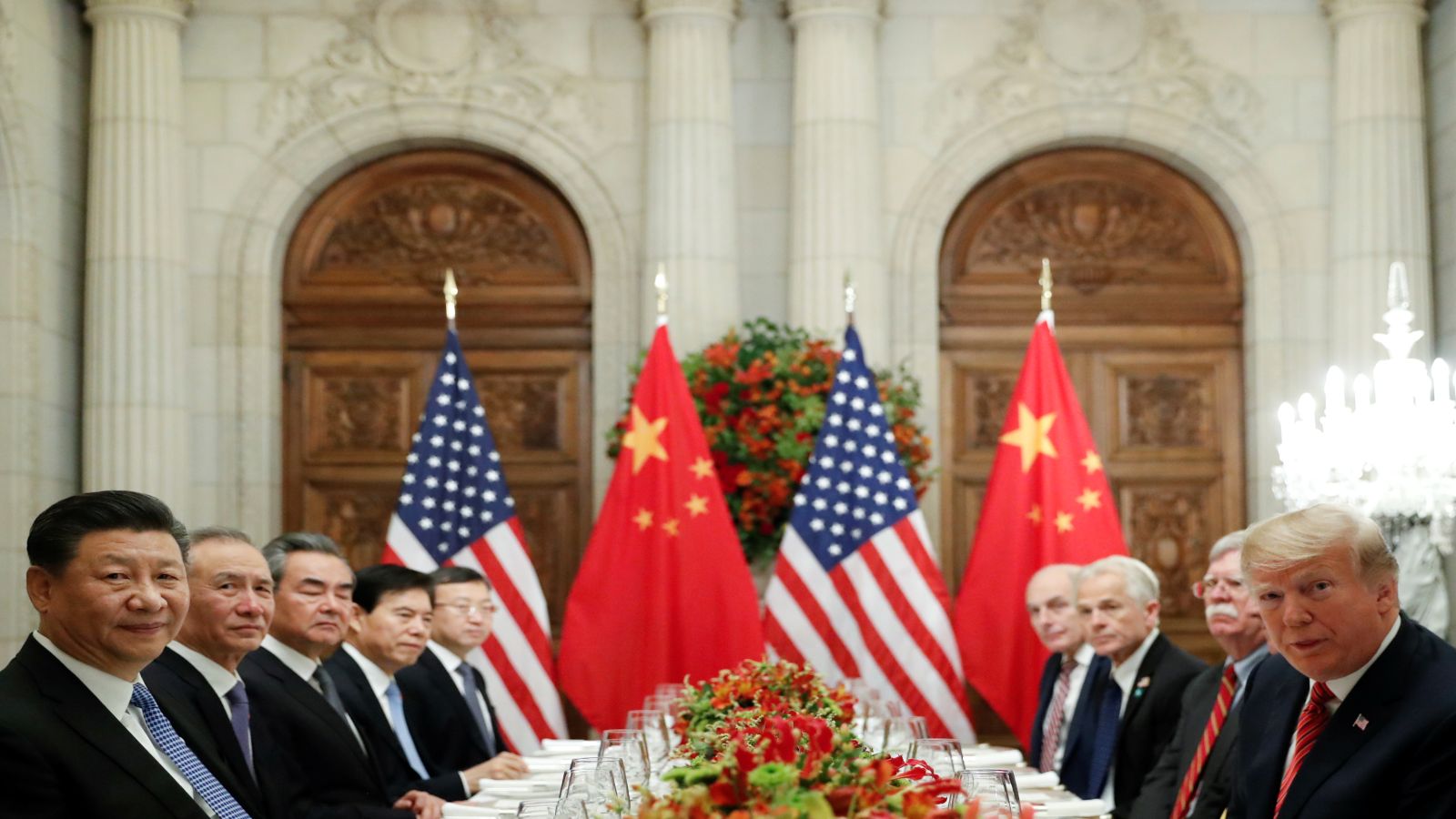
Imagine a room smelling of wool suits and expensive espresso. Delegates from twenty economic powerhouses sit beneath glittering chandeliers, their briefcases stuffed with conflicting manifestos. On one side, European Union officials clutch the newly minted AI Act, a massive, risk-based bureaucratic monolith that treats algorithms like nuclear reactors or pharmaceutical drugs, demanding pre-market audits, stringent transparency reports, and heavy fines for non-compliance. It is an approach designed by lawyers who want to keep citizens safe from bias and deception.
On the other side sit American trade representatives carrying a fundamentally different gospel. Their argument is Darwinian. If the United States and its allies lock artificial intelligence behind walls of compliance certificates and bureaucratic checkpoints, the innovation engine will simply migrate. Code has no passport. Server clusters can be spun up in jurisdictions with fewer scruples and faster permits. By forcing a rigid regulatory framework onto a technology that mutates every six months, you do not protect the public. You simply ensure that foreign rivals write the next chapter of human history.
It is a brutally pragmatic stance. And it makes people deeply uncomfortable.
Consider what happens on the ground when the state steps back. Without guardrails, proprietary models feed on copyrighted art, personal medical histories, and private communications without consent or compensation. Deepfakes blur the line between verified reality and malicious fiction, turning elections into minefields of synthetic perception. Workers in call centers, graphic design studios, and junior legal roles watch the ground vanish beneath their feet as companies trade human wages for inference costs.
Washington knows this. The officials drafting these memos are not blind. They simply believe that the alternative—a global patchwork of conflicting state controls—is a slower, more agonizing poison.
To understand why the hands-off argument holds such heavy sway behind closed doors, you have to look at the nature of the beast itself. Artificial intelligence is not a product. It is a general-purpose technology, much like electricity or the steam engine. You do not regulate electricity by telling the electrons how fast they are allowed to spin through a copper wire. You regulate the lightbulb, the electric chair, the pacemaker, and the toaster. You regulate the use case, not the underlying phenomenon.
Attempting to pass comprehensive, binding international treaties on the nature of artificial intelligence right now is akin to writing traffic laws for flying cars before anyone has figured out how to build an engine. Every definition you enshrine in international law today is obsolete by the time the diplomatic translation is printed on heavy cardstock.
Yet, telling the world to wait while Silicon Valley iterates at breakneck speed feels dangerously like a billionaire’s game of Russian roulette, with the rest of humanity strapped to the chair.
This is the tightrope walk of the current geopolitical era. The United States is not arguing for a complete vacuum. Instead, voluntary commitments, NIST safety frameworks, and private-sector red-teaming are being offered as a substitute for statutory handcuffs. It is governance by polite suggestion and market incentive. If your model hallucinates too much, your enterprise clients will cancel their subscriptions. If your software leaks trade secrets, your stock price craters.
Whether market forces alone can act as an adequate moral compass for a technology on the verge of recursive self-improvement is the defining question of our generation.
Back in the Austin basement, Maya’s cursor stops blinking. The function compiles. The terminal returns a clean, green success message. It is a small victory, executed in milliseconds by an entity that possesses no soul, no fear, and no awareness of the geopolitical storms brewing thousands of miles away in diplomatic conference halls. She saves her work, turns off the desk lamp, and walks out into the pre-dawn heat, leaving the machine running in the dark, waiting for whatever instruction comes next.