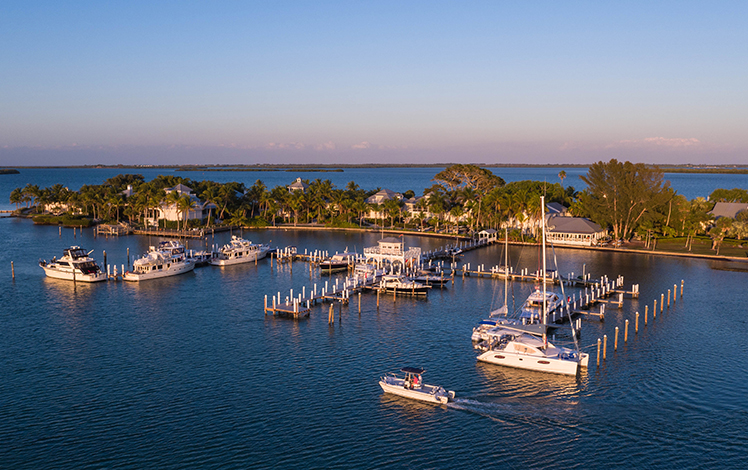
The steel walls of a ship usually feel like a fortress. When you are out on the open water, the hull is the only thing separating you from a cold, indifferent abyss. But for the crew and passengers of a vessel recently docked, the threat didn't come from the crushing weight of the ocean. It came from something much smaller. Something microscopic. Something that had been breathing the same recycled air they had.
A man is dead. That is the hard, cold reality at the center of a swirling storm of medical alerts and frantic phone calls. He wasn’t taken by a storm or a workplace accident. He was killed by hantavirus, a pathogen most people associate with dusty cabins in the woods or long-abandoned sheds, not the sanitized corridors of a modern ship.
Now, health officials are playing a high-stakes game of catch-up. They are tracking dozens of individuals who stepped off that ship and vanished into the rhythm of their daily lives, unaware that they might be carrying a biological clock inside their lungs.
The Dust of the Earth
To understand the fear in the eyes of a public health officer, you have to understand how hantavirus works. It is not like the flu. It doesn't travel through a casual sneeze in a crowded theater. Instead, it is a ghost that haunts the shadows. It lives in the waste of rodents—deer mice, white-footed mice, and rats. When that waste dries out and is disturbed, it becomes an aerosol.
Imagine a worker sweeping a storage locker below deck. The broom hits a patch of dried dust. A cloud rises, invisible in the dim light. The worker takes a breath. In that single, mundane moment, the virus hitches a ride. It settles deep in the lower respiratory tract.
The terrifying part is the silence. For one to five weeks, nothing happens. You feel fine. You go home. You hug your family. You go to the grocery store. But inside, the virus is replicating, quietly preparing to turn your own immune system against you. This isn't a metaphorical battle; it’s a physiological siege. The virus targets the endothelium—the thin membrane lining your blood vessels. As the vessels leak fluid into the lungs, the victim begins to drown from the inside out.
The Trace
Tracking forty or fifty people across state lines or international borders is a logistical nightmare. It’s a race against an incubation period that is frustratingly elastic. One passenger might feel the first ache in their bones tomorrow; another might not feel a tickle in their throat for a month.
Health officials aren't just looking for names on a manifest. They are looking for stories. They are calling cell phones, hoping someone answers. They are asking: Where are you now? Have you felt a fever? Are your muscles sore?
The difficulty lies in the symptoms. They are aggressively unremarkable. A hantavirus infection begins with what doctors call "prodromal" symptoms: fatigue, fever, and muscle aches, particularly in the large muscle groups like the thighs, hips, and back. It looks like exhaustion. It looks like a long trip at sea catching up with you. It looks like everything except a death sentence.
But then comes the pivot. The "cardiopulmonary phase" hits with the force of a tidal wave. Shortness of breath becomes an agonizing struggle for oxygen. At this point, the mortality rate is staggering—somewhere around 38 percent. To put that in perspective, if three people in a room have progressed to this stage, one of them will likely not leave the hospital alive.
A Vessel Under Siege
Why a ship? This is the question keeps epidemiologists awake. Ships are supposed to be controlled environments. Yet, rodents are the ultimate opportunists. They find their way into the wiring, the food stores, and the ventilation systems. They are the original global travelers, hitchhiking on human commerce since the dawn of sail.
In this specific case, the ship became a closed-loop ecosystem for a predator that doesn't need teeth to kill. When the first fatality was confirmed, the narrative changed from a tragic medical anomaly to a public health emergency. The ship itself becomes a crime scene where the evidence is invisible and the suspect could be hiding behind any bulkhead.
Consider the perspective of a passenger who was on that vessel. You are home now. You are sitting on your couch, watching the news, and you see the headline. You remember a day three weeks ago when you walked through a corridor that smelled a bit musty. You remember a cough you had yesterday. Was it the air conditioning? Or was it the start of the leak?
That psychological weight is the secondary infection. It is the anxiety that every minor ache is the beginning of the end. Health officials have to manage this terror while simultaneously scouring the ship for the source. They have to find the nests. They have to trap the carriers. They have to scrub the memory of the virus out of the steel with bleach and precision.
The Limits of Modernity
We like to think we have conquered the wild. We live in a world of sanitized surfaces and high-efficiency particulate air filters. But hantavirus is a reminder that the wild is never truly gone. It is a zoonotic bridge—a leap from the animal kingdom to the human one that happens in the blink of an eye.
There is no cure for hantavirus. There is no vaccine you can take before you board a ship or go camping. There is only "supportive care." This is a medical term for keeping a body alive long enough for it to hopefully win the fight on its own. It means intubation. It means ventilators. It means watching a monitor and praying the oxygen saturation levels stop dropping.
The officials currently dialing numbers and checking manifests are the thin line between a contained tragedy and a wider outbreak. They aren't just bureaucrats; they are detectives chasing a phantom. They are looking for the "stowaways" who left the ship before the gates were closed.
The sun sets over the harbor where the ship sits, now quiet and undergoing a deep, chemical purge. Somewhere in a suburb three hundred miles away, a phone rings. A man who was on that ship answers. He says he feels fine. The official on the other end of the line lets out a breath they didn't know they were holding, but they don't hang up. They tell him to stay vigilant. They tell him to watch his breath.
Because with hantavirus, the air you breathe is the only thing that matters, until it is the only thing you can't get enough of.
The chase continues because the virus doesn't have a schedule. It only has a destination. And as long as there is one person from that ship unaccounted for, the story isn't over. It is just waiting in the lungs of an unsuspecting traveler, biding its time in the dark.
Nature doesn't care about manifests. It only cares about the next host.