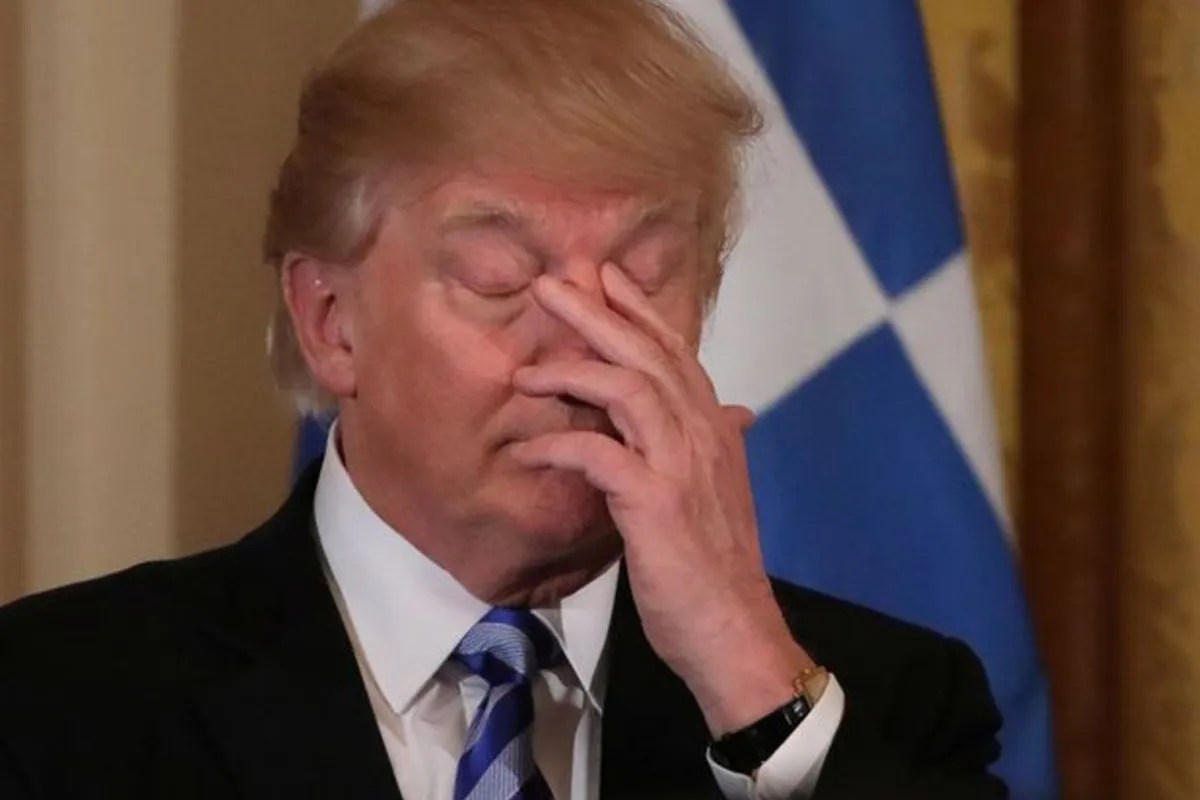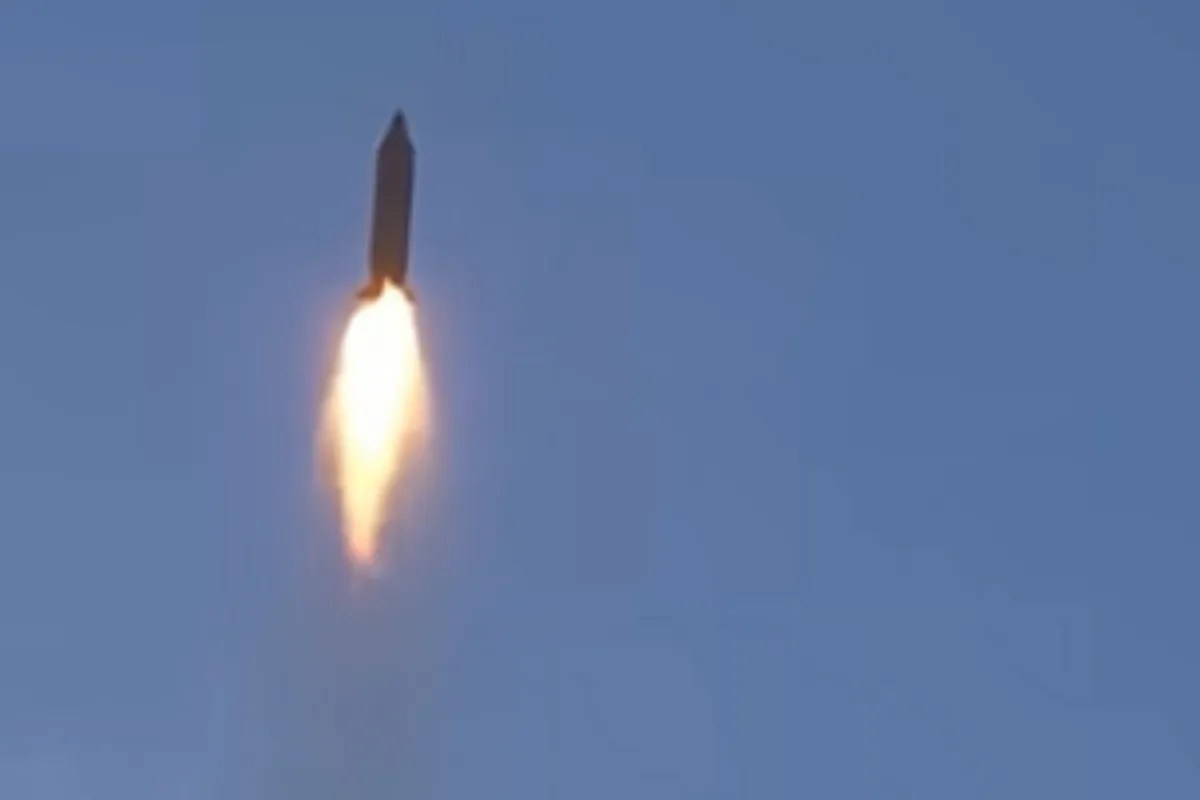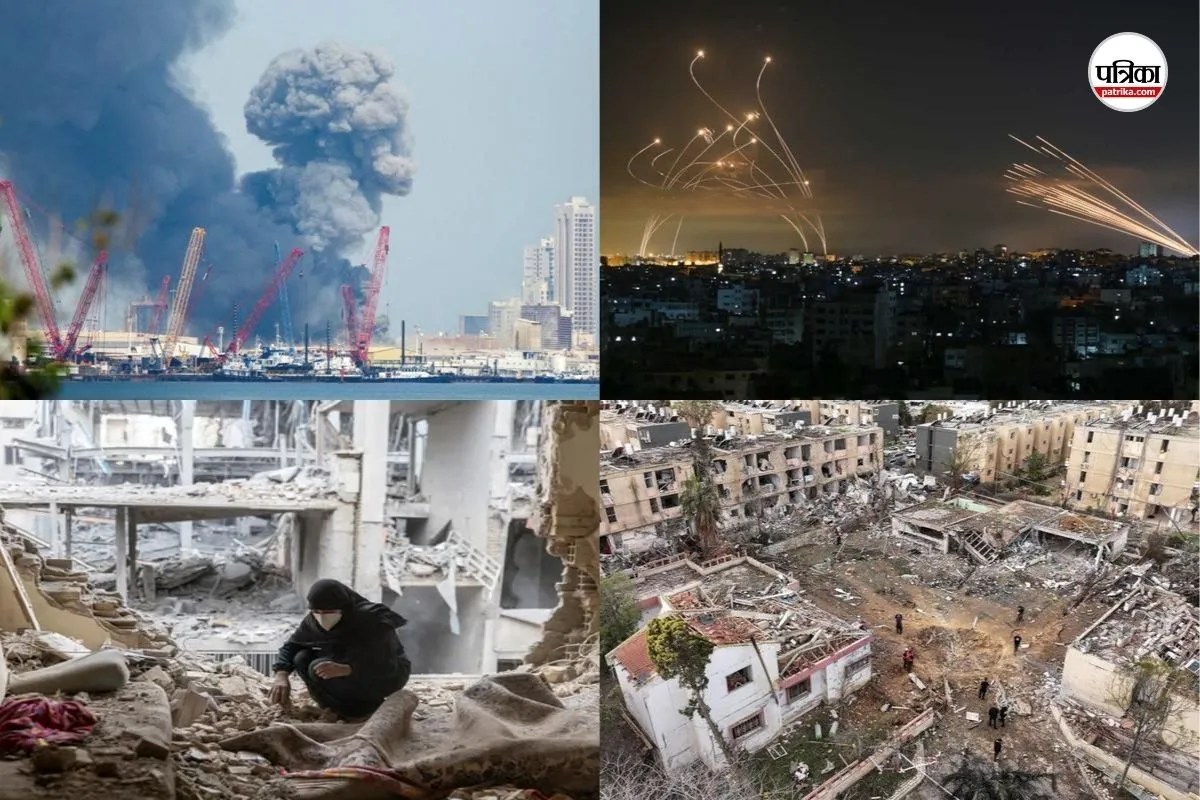
Twenty-four days into a conflict that has already reshaped the Middle East, the world is holding its breath. We aren't just looking at another regional skirmish. This is "Operation Epic Fury," a joint U.S.-Israeli campaign that kicked off on February 28, 2026, with a strike so audacious it took out the Iranian Supreme Leader, Ali Khamenei, in the opening hours. Now, the clock is ticking on a high-stakes ultimatum from Donald Trump that could either end the fighting or burn the global energy market to the ground.
If you’ve been following the headlines, you know Trump gave Iran a 48-hour deadline to reopen the Strait of Hormuz. That deadline was supposed to expire tonight, March 23. But in a classic move, the President just announced a five-day "postponement" of planned strikes on Iranian power plants. Why? He claims "very good and productive" talks are happening. Tehran, meanwhile, says he’s full of it and only backed down because they threatened to blow up every desalination plant and power station in the Gulf.
Honestly, the truth probably sits somewhere in the middle. Let’s look at what’s actually happening on the ground and why this 24-day mark is so critical.
What the U.S. and Israel actually want
Don't let the "unconditional surrender" tweets fool you. The goals of this war aren't as unified as they look. From my perspective, there’s a massive gap between what Washington wants and what Jerusalem is aiming for.
The U.S. goals are mostly technical. They want to wreck Iran’s missile production, annihilate their navy, and ensure the nuclear program is dead and buried. Secretary of State Marco Rubio and Pentagon Chief Pete Hegseth have been clear: this is about "neutralizing" threats. They don't necessarily want to occupy Tehran or build a new government. They just want the missiles to stop.
Israel is playing a different game. Prime Minister Netanyahu isn't interested in just "weakening" the regime. The Israeli cabinet has been briefed that toppling the Islamic Republic could take a year. They see this as an existential reset. To them, "Epic Fury" isn't a success until the IRGC is gone and the regime is replaced. This friction is why Trump is talking about "winding down" while Israeli officials say there’s "no time limit."
The Strait of Hormuz nightmare
The real reason your gas prices are spiking is the Strait of Hormuz. Iran has effectively choked off the world’s most vital oil artery. This isn't just about tankers anymore; it’s a total blockade.
- The Ultimatum: Trump threatened to "obliterate" Iran’s power plants—starting with the biggest ones—if they didn't open the strait by Monday evening.
- The Counter-Threat: Iran didn't flinch. They warned that if their power goes out, the entire region goes dark. They’ve already targeted Riyadh and Abu Dhabi with ballistic missiles this week to prove they can hit vital infrastructure.
- The Economic Hit: Brent crude hit $119 a barrel. The International Energy Agency is calling this the worst energy crisis in decades.
Trump is a businessman at heart. He knows a $150 barrel of oil kills his domestic agenda. That five-day extension isn't just about "productive talks"—it’s about preventing a global economic heart attack.
24 days of devastation by the numbers
We’ve moved past the "surgical strike" phase. This is a full-scale war.
Since February 28, U.S. and Israeli forces have conducted thousands of strikes. In the first 12 hours alone, they dropped nearly 900 munitions. But Iran is hitting back. They’ve started using cluster munitions on Tel Aviv to maximize damage. About 70% of their recent missile launches have carried these warheads.
The human cost is staggering. Rights groups are reporting over 3,200 dead in Iran, including hundreds of children. On the other side, Hezbollah has displaced over a million people in southern Lebanon as Israel prepares for a massive ground invasion. It’s messy, it’s violent, and it’s nowhere near the "four-week war" Trump initially predicted.
Why the next 120 hours matter
The five-day pause Trump just announced is the most significant diplomatic window we’ve seen. Jared Kushner and Steve Witkoff are reportedly in the thick of it. If they can’t get Iran to blink on the Strait of Hormuz by the end of this week, the "obliteration" of Iran’s energy grid becomes a live option again.
Don't expect a clean peace treaty. Iran's Tasnim news agency is already saying the Strait will never return to "pre-war conditions." They want guarantees that weren't on the table a month ago.
If you're looking for what to do now, keep your eyes on the oil markets and the movement of the U.S. Department of War. The rhetoric will stay hot, but the movement of tankers through Hormuz is the only metric that matters. Watch the "Pine Gas" and "Jag Vasant"—those Indian tankers that just squeezed through are the first signs of whether this "pause" is real or just a breather before the next big explosion.
Watch the shipping data. If more tankers start moving, the "productive talks" might actually be real. If they stay stuck, expect the power plants to be the next targets on the list.