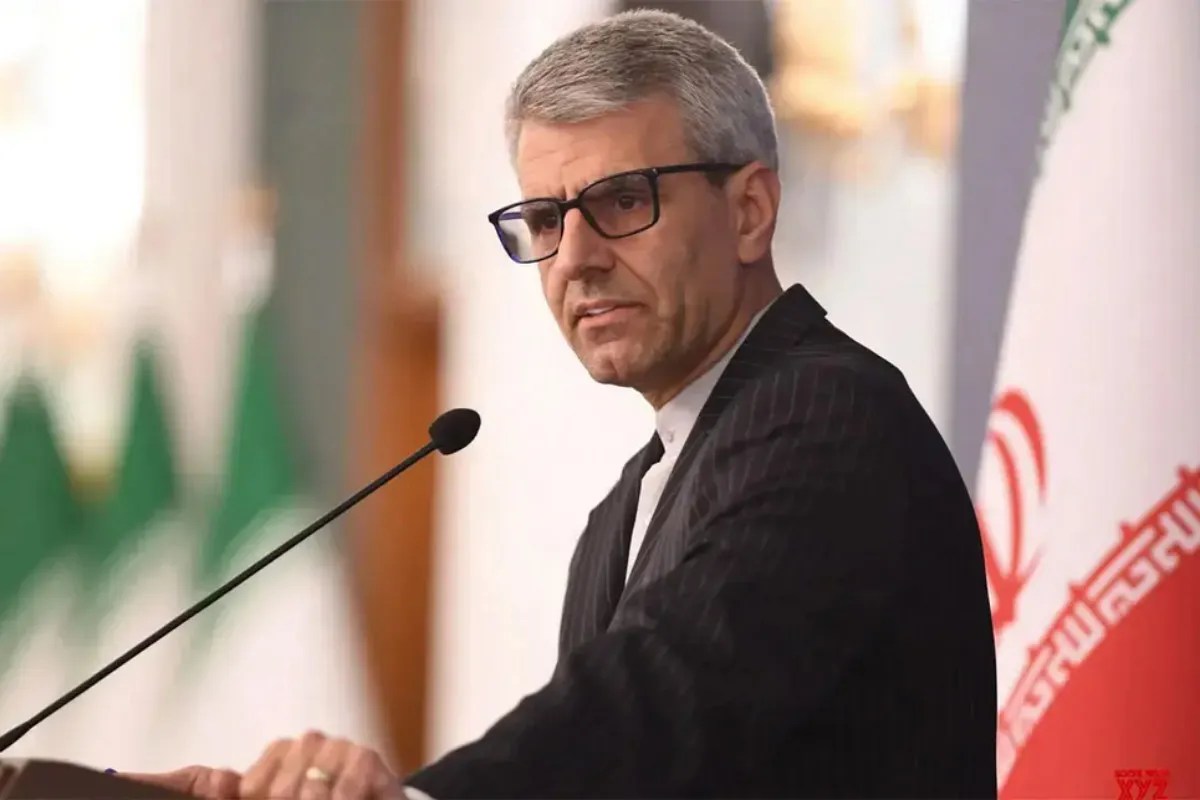
Every major international desk is currently patting Tehran on the back. The mainstream narrative treats Iranian Foreign Ministry spokesman Esmail Baghaei offering to help curb Houthi attacks on Saudi Arabia as an olive branch. Diplomats call it a de-escalation breakthrough.
They are being played. Building on this theme, you can also read: Why Blaming the Border Skirmishes Misses the Real War Over Sudan.
Having spent the better part of a decade watching Middle Eastern proxy mechanics up close from secure backchannels, I can tell you that treating this proposal as humanitarian altruism requires a level of voluntary blindness that borders on negligence. Tehran is not stepping forward to extinguish a fire; they are presenting themselves as the exclusive fire department for a blaze they themselves fueled, armed, and stoked with precision-guided munitions.
Let us dismantle the lazy consensus. Observers at BBC News have shared their thoughts on this matter.
The Manufactured Arsonist Selling the Sprinkler
The standard line goes like this: Iran, exhausted by economic sanctions and regional isolation, wants peace in Yemen, so they are leaning on their Houthi allies to halt shipping lanes disruptions and missile volleys toward Riyadh.
This view ignores the structural mechanics of asymmetric warfare. Tehran does not command the Houthis like a corporate board directing regional branch offices. The relationship is transactional, ideological, and deeply symbiotic. When an Iranian official offers to mediate a conflict involving the Houthis, they are exercising leverage. They are effectively saying to the Saudis and the West: Acknowledge our regional hegemony, lift our financial blockades, and we will tell our boys to stop throwing rocks at your glass house.
That is not peace. That is protection money paid to the mob.
I watched Western diplomats fall for this exact choreography in Lebanon and Iraq. You create an intolerable security cost for your adversaries, wait until they scream for relief, and then position yourself as the indispensable mediator to solve the crisis you engineered. It is a brilliant strategy. It is also an absolute fraud to call it diplomacy.
Why Saudi Arabia is Buying the Fiction
Riyadh knows exactly what is happening, which makes their willingness to play along so fascinating. Crown Prince Mohammed bin Salman has staked his entire economic modernization agenda on Vision 2030. You cannot build futuristic megacities in the desert if Houthi drones keep turning your oil processing facilities into expensive charcoal.
The Saudis are paying a pragmatic toll. They want quiet on their southern border, and if that means letting Iran posture as a statesmanlike peacemaker in exchange for a quiet cease-fire, Riyadh will swallow its pride. But let us not confuse pragmatic exhaustion with a genuine strategic reconciliation.
If you look at the arms pipelines flowing through the Gulf of Oman, the hardware reaching Yemen hasn't stopped; it has evolved. The Houthis possess anti-ship ballistic missiles and drone guidance systems that require sophisticated telemetry. Pretending that Tehran can simply turn off this faucet with a polite phone call is either politically naive or deeply dishonest.
The Real Objective Behind the Proposal
So why make the offer now? Why would Baghaei publicize this grand gesture?
- Sanctions Relief Laundering: Tehran wants to normalize its diplomatic standing ahead of broader regional recalibrations. Positioning themselves as security exporters allows them to demand sanctions relief under the guise of regional stabilizers.
- Institutionalizing Proxy Leverage: By formalizing their role as a required mediator for Houthi behavior, Iran legally and diplomatically locks in their veto power over international trade in the Red Sea. They become too important to isolate.
- Shifting the Blame: When the next cargo ship gets tagged off the coast of Yemen, Tehran can shrug and claim they tried to counsel moderation, blaming rogue elements or Western intransigence instead.
This is not a peace accord. It is an expansion strategy dressed up in a tailored suit.
The Uncomfortable Truth About Asymmetric Deterrence
The diplomatic corps hates admitting a fundamental reality: conventional deterrence is broken. You cannot deter non-state actors with carrier strike groups when their patrons operate behind layers of plausible deniability.
When you accept Iran's offer to mediate, you validate their proxy model. You tell every revisionist power from the Levant to the Gulf that if you build cheap enough drones and cause enough commercial disruption, the global superpower will eventually negotiate with your middleman on your terms.
We are rewarding the arsonist with a seat on the zoning board.
Stop reading the press releases. Look at the balance sheets of military contractors and the shipping insurance rates across the Bab el-Mandeb strait. That is where the truth lives.
Iran is not offering a solution. They are monetizing the problem.



