Capitol Hill just pulled off a wild double-take on the war with Iran, and it proves nobody actually knows who has the steering wheel in Washington right now.
On Tuesday night, the Senate made headlines by passing a rare rebuke against President Donald Trump. They approved a war powers resolution in a 50 to 48 vote, aiming to pull US troops out of unauthorized hostilities with Iran. It felt like a massive moment. Fast forward less than twenty-four hours to Wednesday night. The Senate completely reversed course, blocking a binding version of the exact same policy in a 47 to 50 flop.
If you think that sounds like total legislative whiplash, you're exactly right.
This back-and-forth matters because it shows how messy the politics around the current 60-day ceasefire really are. The public is exhausted by a war that started back on February 28, and politicians are terrified of looking weak while active negotiations are happening behind closed doors in Switzerland.
Why the Senate Switched Sides in Under a Day
How does a chamber vote to restrict war powers on Tuesday and then kill a similar bill on Wednesday? It comes down to classic arm-twisting and some intense behind-the-scenes lobbying from the White House.
The Tuesday vote succeeded only because four Republicans broke ranks to join the Democrats. Senators Susan Collins, Lisa Murkowski, Rand Paul, and Bill Cassidy all voted to pass a concurrent resolution that sent a symbolic warning to the Oval Office. Since Mitch McConnell and Dave McCormick were out, that tiny GOP rebellion was enough to push it over the finish line.
Then Trump got angry. He blasted the rebels on Truth Social, calling them "Republican Losers" and claiming they were ruining his negotiating position with Tehran.
By Wednesday afternoon, Vice President JD Vance and Special Envoy Steve Witkoff were deployed to Capitol Hill to clean up the mess. They gave Senator Bill Cassidy a thorough briefing on where the conflict stands. It worked. Cassidy changed his vote.
Meanwhile, Rand Paul decided to vote "present" instead of voting yes. Paul stated on X that since active hostilities seem to be over for now, he wanted to give the president more space to negotiate a lasting peace. Just like that, the rebellion evaporated. The second, more legally binding resolution by Senator Tim Kaine died on the floor.
The Reality of the 60-Day Ceasefire
Don't let the technical talk about resolutions fool you. This entire fight is happening against the backdrop of a fragile, Pakistan-mediated truce that originally took effect on April 8, which was recently extended by a new memorandum of understanding signed on June 17 by Trump and Iranian President Masoud Pezeshkian.
People want to know if the fighting is actually over. The short answer is no, it's just paused.
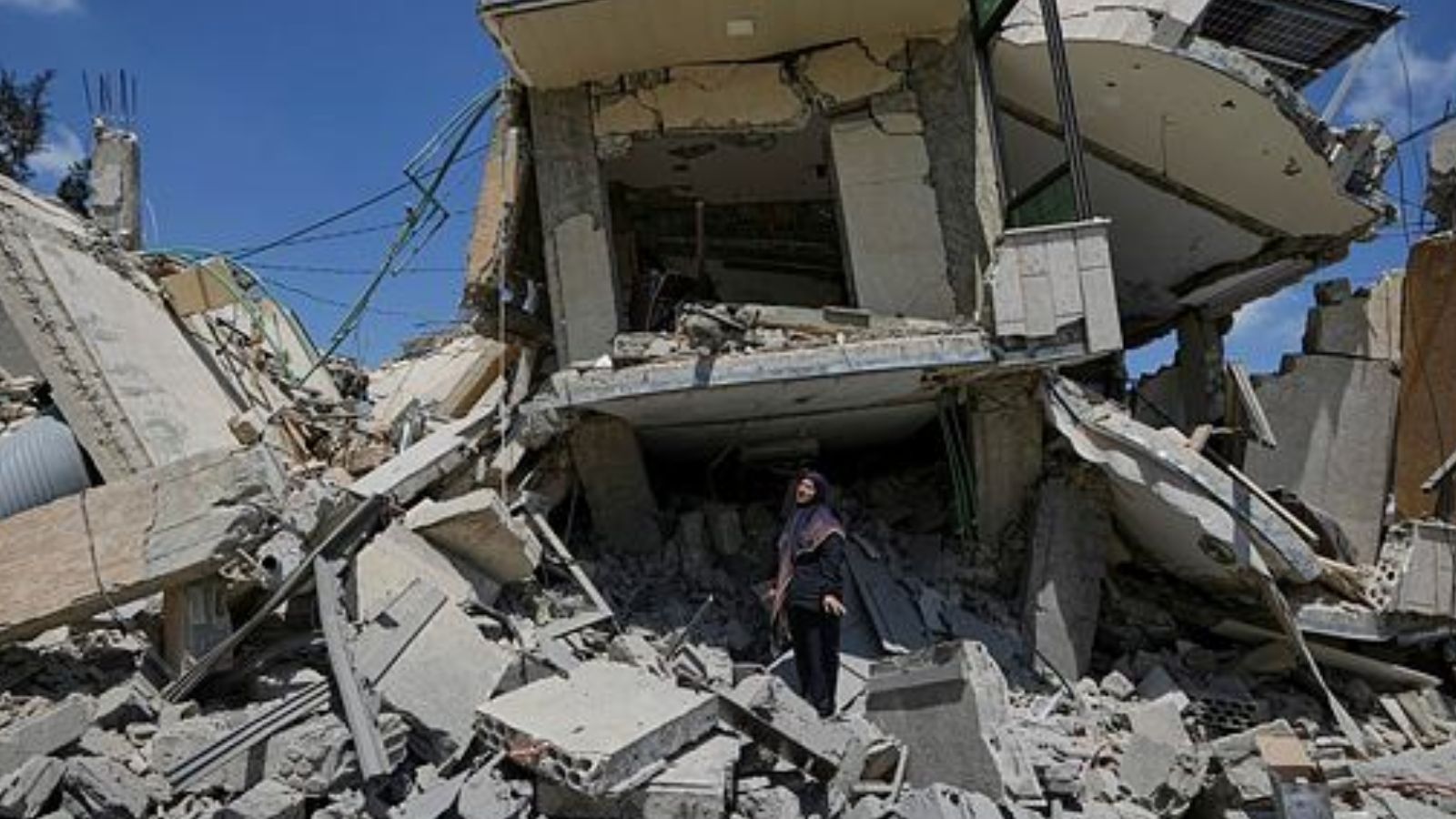
The Pentagon is currently asking Congress for a massive $80 billion military budget boost, mostly to backfill the munitions and stockpiles drained during the heavy exchange of strikes this spring. Critics like Senate Democratic Leader Chuck Schumer are calling the conflict a historic blunder. He points to skyrocketing gas prices, soaring domestic costs, and the tragic loss of 13 American service members as proof that the intervention failed.
The White House views things differently. They argue that the 1973 War Powers Resolution is flat-out unconstitutional. They also claim the US isn't actively engaged in hostilities anymore because of the truce, making the Senate's votes irrelevant.
What This Means for the President's Power
The Constitution says Congress has the power to declare war. The reality of the last seventy-five years says the president does whatever he wants with the military.
By blocking Kaine's resolution on Wednesday night, the Senate essentially handed power back to the executive branch. Trump celebrated the reversal online, declaring that the shift put Iran on notice.
If negotiations in Switzerland fall apart next month, the White House has a clear runway to resume military operations without waiting for a green light from Congress. Representative Gregory Meeks and other House Democrats say they will explore legal avenues to force compliance, but history shows courts hate getting involved in these fights.
Keep an eye on the upcoming midterm elections. Voters are deeply skeptical about this conflict. A recent Reuters/Ipsos poll showed a meager 23% of Americans believe the war made the country stronger. Two-thirds don't think the current truce will last. Expect every single senator who flipped or skipped these votes to face intense heat on the campaign trail.
Track the upcoming defense budget votes next week. Watch whether Congress actually approves that $80 billion request or uses the wallet to force the troop withdrawals they couldn't get through war powers votes.