The Middle East is currently a graveyard of bad assumptions. For years, the prevailing wisdom in Washington and Jerusalem was that if you just hit Iran’s proxies hard enough, the "head of the snake" in Tehran would eventually choke. Well, it’s 2026, and the snake is still breathing, even if it’s missing a few coils.
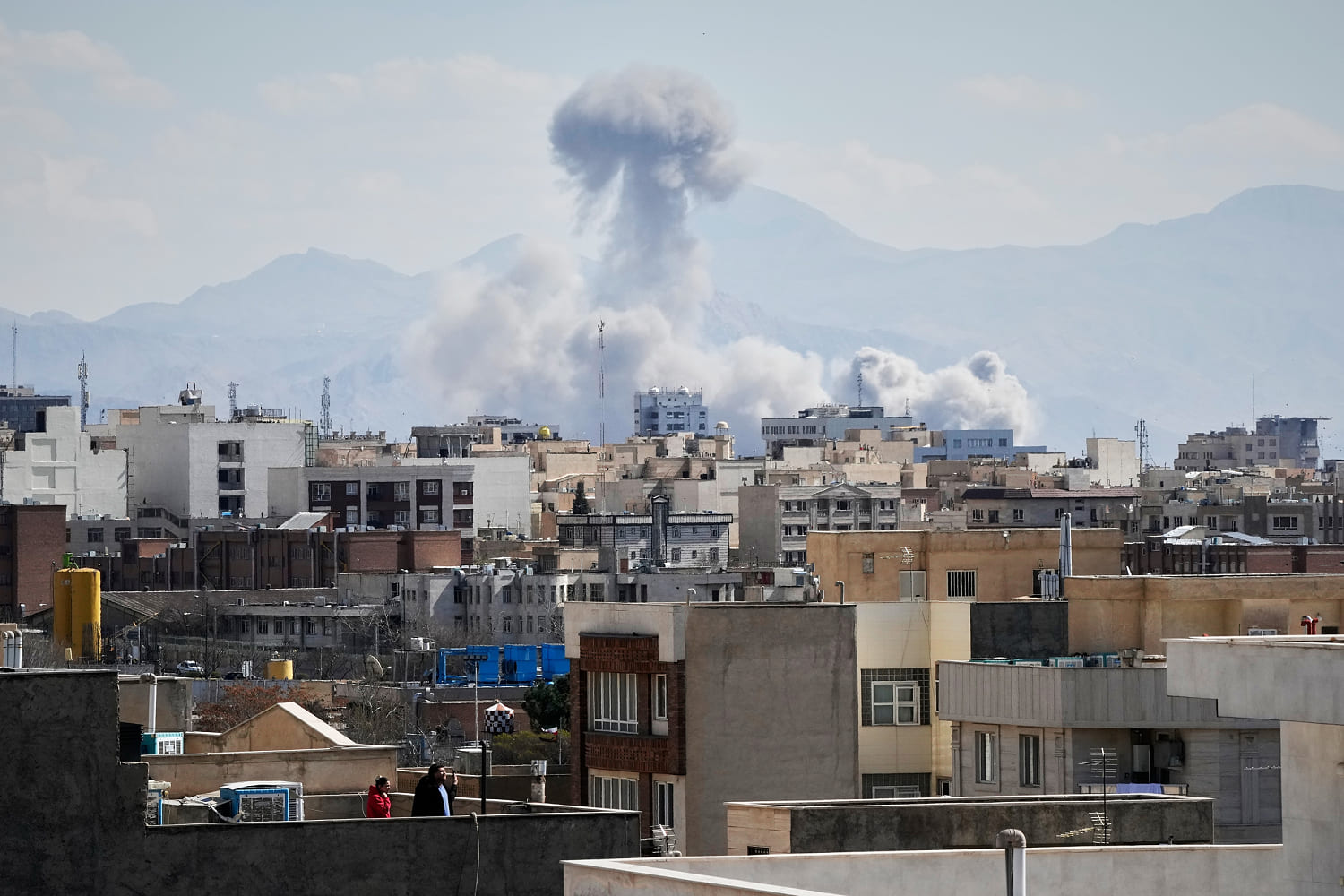
We’ve seen the "Axis of Resistance" take body blow after body blow. Hamas is a shell of its former self in Gaza. Hezbollah’s leadership has been systematically decapitated. Even the Assad regime in Syria, a cornerstone of Iranian regional strategy for decades, collapsed in late 2024. To top it off, the recent joint US-Israeli strikes—which targeted everything from nuclear sites to the Supreme Leader himself—were supposed to be the final shove. For another perspective, consider: this related article.
But here’s the uncomfortable truth: the Islamic Republic is built for this. It’s a regime designed not for prosperity or popularity, but for pure, grinding survival. While the map of the Middle East is being redrawn in real-time, the men in Tehran are digging in.
The Myth of the Quick Collapse
Everyone loves a good "regime change" narrative. It’s clean, it’s cinematic, and it’s usually wrong. The current theory is that military pressure plus economic misery equals a spontaneous democratic uprising. We saw this logic during the mass protests in early 2026. People were in the streets in all 31 provinces, the rial was worthless, and the air was thick with "Death to the Dictator" chants. Further analysis regarding this has been provided by Al Jazeera.
Yet, the Islamic Revolutionary Guard Corps (IRGC) didn't blink. They didn't defect. They did what they always do: they cut the internet and started shooting.
The Iranian state isn't a house of cards; it’s a bunker. It has layered patronage networks and a security apparatus that knows its own survival is tied to the regime’s. If the Supreme Leader falls, the IRGC doesn't just lose a boss—they lose their businesses, their bank accounts, and likely their lives. That kind of "skin in the game" creates a level of resilience that Western analysts consistently underestimate.
A Region Without its Traditional Anchors
While the regime survives, the world around it has fundamentally shifted. The old Middle East—the one where Iran used a "ring of fire" to keep its enemies at bay—is dead.
The fall of the Assad dynasty was the biggest strategic disaster for Tehran in forty years. Syria wasn't just an ally; it was the land bridge. Without it, supplying Hezbollah becomes a logistical nightmare. When you combine that with the 2024-2025 decimation of Hezbollah’s command structure, Iran’s "forward defense" strategy looks more like a "backward retreat."
But don't mistake a weakened Iran for a peaceful one. A cornered regime is often more dangerous than a confident one. We're already seeing the shift:
- Direct Confrontation: Having lost its proxy shield, Tehran is leaning into direct missile and drone strikes.
- Nuclear Brinkmanship: With its conventional deterrence (Hezbollah) broken, the "nuclear option" becomes the only card left to play.
- Regional Sabotage: If Iran can't project power through allies, it'll project it through chaos. The strikes on Gulf airports and energy infrastructure in early 2026 prove they're willing to burn the whole neighborhood down if they're going to be evicted.
The Russia and China Wildcard
One of the biggest mistakes in recent years was thinking Moscow or Beijing would step in to save the mullahs. Honestly, they didn't. When the US and Israel hit Iranian soil in 2025, Russia offered "rhetorical support" while reportedly sharing intelligence with Israel.
Russia views Iran as a convenient gas station and a source of cheap drones for the Ukraine war, not a partner worth fighting for. China, meanwhile, wants stable oil prices. If Iran becomes too much of a liability for global trade, Beijing will look for the exit. Tehran is finding out the hard way that "Looking East" doesn't mean finding friends; it means finding slightly different kinds of exploiters.
What Happens When the Top Blows Off
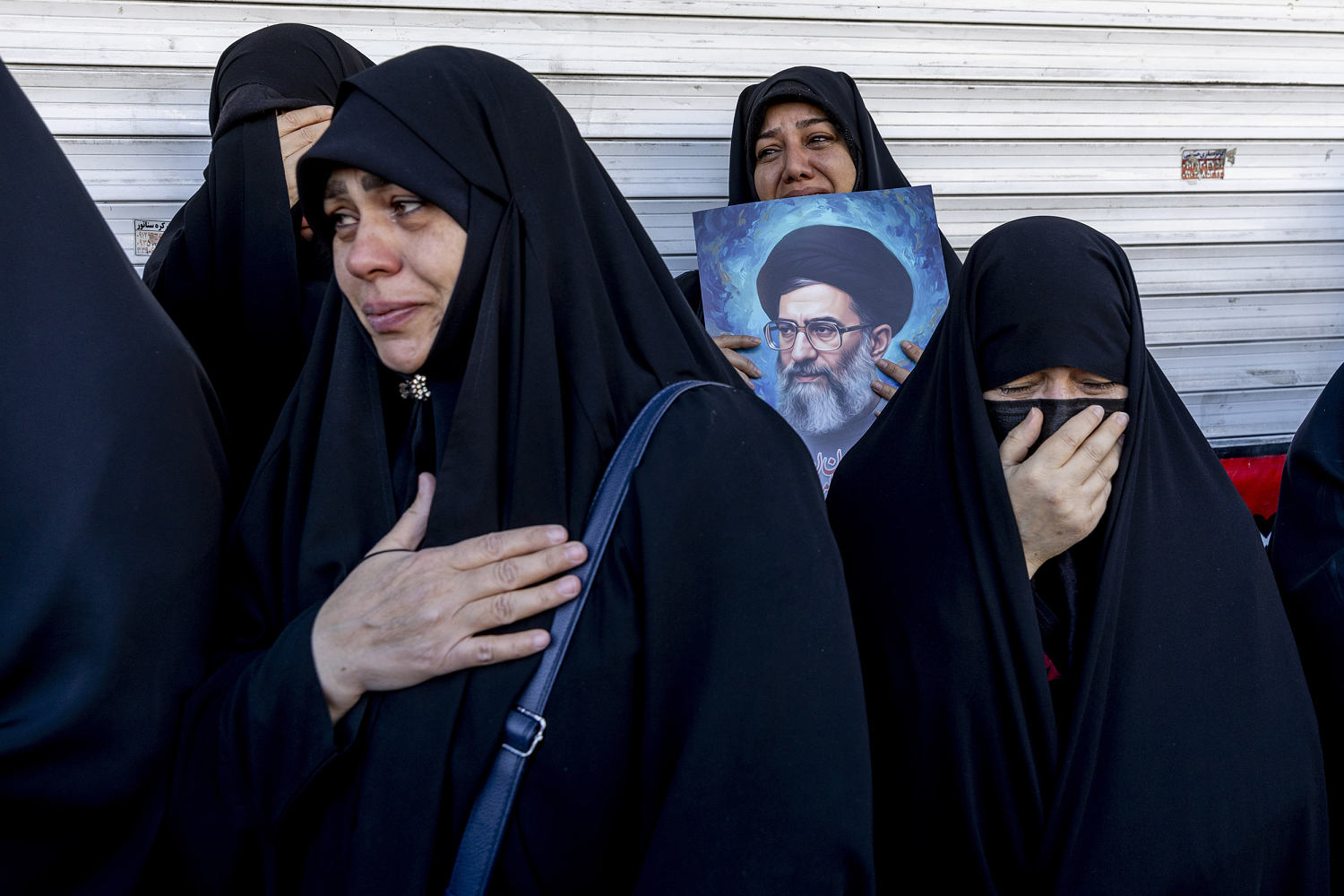
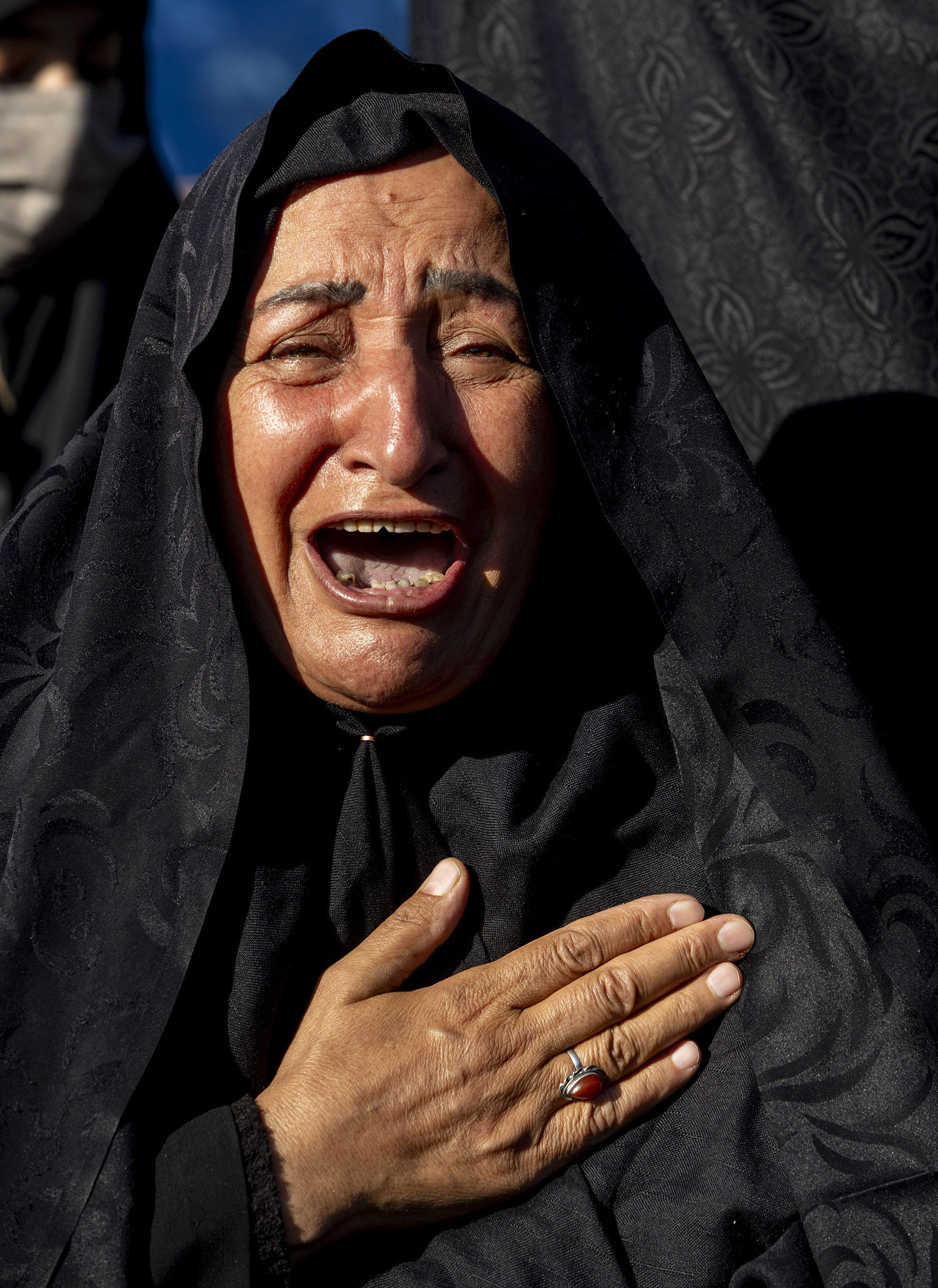
The elephant in the room is the succession crisis. With the reported death or incapacitation of senior leadership following recent strikes, the race to replace the "Source of Emulation" is on.
Don't expect a moderate savior to ride in on a white horse. The most likely outcome is a "Garrison State"—a military junta led by the IRGC that drops the religious pretenses in favor of raw, nationalist authoritarianism. They might even be easier to talk to in some ways, but they'll be much harder to deter.
How to Actually Navigate This Mess
Stop waiting for the regime to disappear. It might happen, but basing a 2026 security strategy on "hope" is how we got into this situation.
- Harden the Gulf: The Arab states are already moving toward an integrated air defense system. This isn't just a good idea; it's a necessity. If Iran can't use Hezbollah, it'll use the Houthis or its own silos to target desalination plants and refineries.
- Acknowledge the Syrian Vacuum: Syria is a black hole right now. If the West and its regional partners don't help stabilize what comes after Assad, Iran will eventually find a way to crawl back in through the wreckage.
- Direct Communication Lines: Whether we like the regime or not, we need "de-confliction" channels. The risk of a nuclear "accident" or a miscalculated missile strike is at an all-time high.
The Middle East is currently a very different, much more volatile place. The old "proxy war" rules are gone. We're now in an era of direct state-on-state friction, and the Iranian regime—battered, bloody, and isolated—is still the one holding the match.
If you're tracking these developments, your next step should be monitoring the IRGC's internal movements in the coming weeks. Their choice of a "caretaker" leader will tell you everything you need to know about whether they're choosing a path of total war or a tactical retreat.