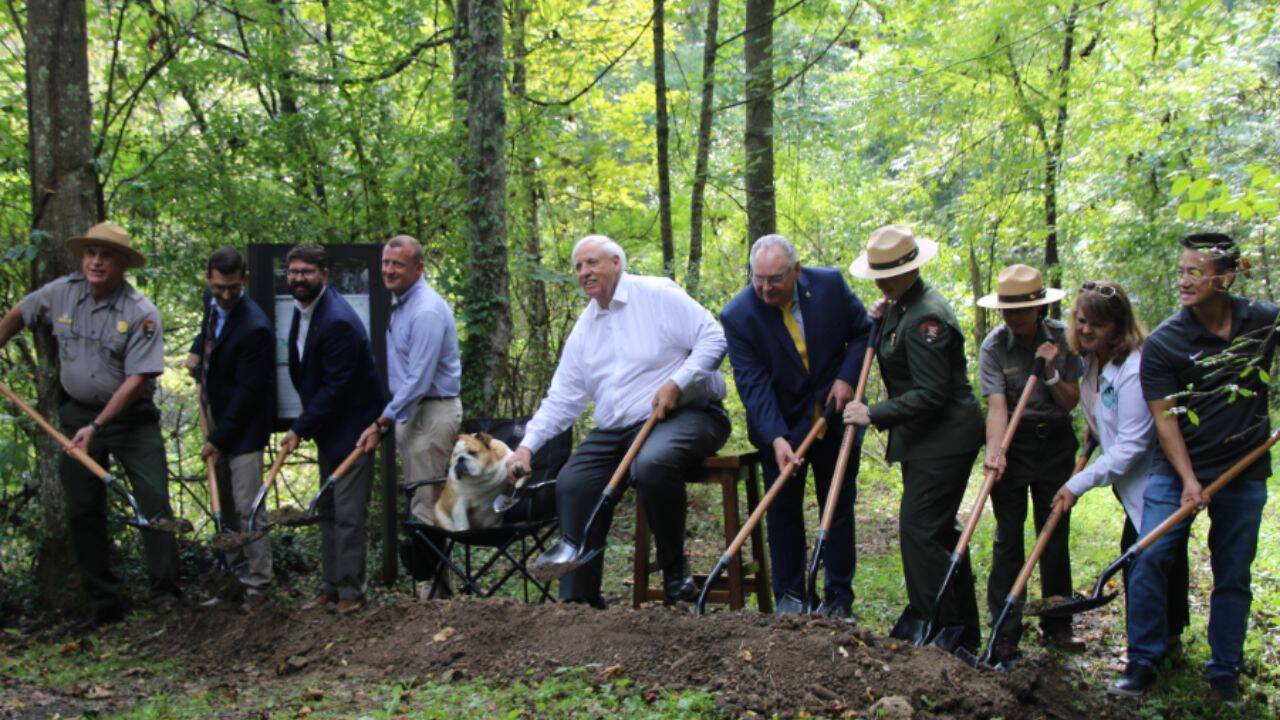
Five rusting railroad bridges built in 1906 to drag bituminous coal out of West Virginia’s jagged New River Gorge are receiving an 11.8 million dollar injection of federal capital to transform them into recreational footpaths. Ground broke on September 1, 2026, at the Minden Trailhead, launching an aggressive 16-month overhaul funded by the Great American Outdoors Act Legacy Restoration Fund. The project targets the 3.2-mile Rend Trail—historically known as the Thurmond-Minden Trail—clinging to the banks of the New River and Dunloup Creek. Decades of neglect left these timber-decked multi-beam trestles structurally compromised, forcing partial closures that fractured a vital community artery.
Yet beneath the celebratory ribbon-cuttings and optimistic National Park Service press releases lies a starker fiscal reality. Infrastructure tourism is a seductive prescription for post-industrial decay, but it operates on razor-thin margins. Translating an abandoned industrial corridor into a modern hiking asset requires more than pouring federal appropriations into fresh aluminum treads and graded earth. It demands an unsparing look at whether rural economies can truly sustain themselves on the footfalls of day-hikers alone.
The Weight of Extraction
To understand why these five bridges demand millions of dollars today, you must understand the brute-force engineering required to place them there over a century ago. The industrial extraction economy of southern West Virginia did not ask politely of the terrain. It carved, blasted, and leveled. The rail corridors that slice through Fayette County were arteries of a voracious energy market that fueled an expanding American empire. Locomotives pulling heavy strings of hopper cars demanded structural integrity, which meant crews drove dense timber and heavy iron deep into the gorge.
When the coal played out or the lines became obsolete, the infrastructure was left to the mercy of the elements. Wood rots quickly in the damp, humid microclimate of a river canyon. Iron oxidizes. Without constant maintenance, engineering triumphs degrade into public safety liabilities.
For years, hikers encountering the Rend Trail faced rotting timber and sudden barriers. One of the main crossing spans had been shuttered entirely, transforming a continuous route into a fractured path that dumped travelers prematurely against unsafe structural drop-offs. Federal intervention was not merely a luxury; it was an emergency response to a deteriorating asset that posed severe liability risks.
Engineering the Rebirth
The renovation strategy avoids sentimental reconstruction. Planners are not replacing the decaying wooden beams with historical replicas that would rot within another generation. Instead, crews are stripping out the old wood entirely and installing durable aluminum tread systems designed to withstand heavy foot traffic, moisture, and extreme temperature fluctuations without structural decay.
At the same time, the project tackles chronic accessibility failures that plagued the original industrial grade. The path is receiving comprehensive drainage improvements, regraded surfaces, and a complete rerouting around Big Rock, a notorious terrain bottleneck that previously blocked casual visitors. A traditional steep staircase at the obstacle is being swapped out for an ADA-compliant ramp, while new restroom facilities at the trailheads attempt to bridge the gap between rugged backcountry access and modern park expectations.
This is heavy civil engineering disguised as trail maintenance. Moving heavy materials into a steep river gorge without destroying the surrounding ecosystem requires specialized equipment and precise logistical staging. Every dollar of the 11.8 million dollar price tag reflects the brutal physical realities of working in remote, vertical landscapes where modern machinery struggles to find footing.
The Economic Mirage
Local boosters point to park visitation figures as justification for the expenditure. Economic impact models note that visitors to the New River Gorge pumped roughly 95.5 million dollars into regional coffers. On paper, converting industrial relics into recreation corridors looks like an unmitigated triumph of economic diversification.
The numbers conceal a structural vulnerability. Tourism economies built around outdoor recreation are notoriously precarious. They rely heavily on discretionary spending, seasonal weather patterns, and visitors traveling from urban centers outside the immediate region. A diner or an outfitter in Thurmond or Minden cannot survive for twelve months on the margins of a sixteen-month trail closure, nor can they offset structural job losses from the long-term decline of the energy sector with seasonal gear rentals.
Federal funding streams like the Legacy Restoration Fund are finite resources. The legislation that created the fund expired, leaving park administrators and preservation advocates scrambling in Washington to secure legislative extensions like the America the Beautiful Act. When federal grants dry up, rural counties are left holding the maintenance burden. An aluminum bridge lasts far longer than a wooden trestle, but nothing is maintenance-free. Local municipalities with shrinking tax bases will eventually inherit the upkeep costs of these newly polished amenities.
Reconnecting the Fragments
Beyond the economics lies a social imperative that resists simple spreadsheets. For generations of residents whose families worked the mines and rail spurs, these landscapes were long defined by exclusion and industrial hazard. The tracks were built for corporate extraction, not community enjoyment.
By stitching the Rend Trail back into a continuous route, the project achieves something elusive. It physically links the rugged interior of the park directly back to surrounding Fayette County communities. When the ribbon-cutting ceremony occurs next fall, local residents will not just be watching out-of-state tourists carry carbon-fiber trekking poles across a converted bridge. They will reclaim a piece of their own geography, transforming private corporate corridors into public commons.
The bridges of 1906 were monuments to a system that took more than it gave to the hills. Their second life as pedestrian pathways cannot rewrite that history, nor can it single-handedly secure the economic future of rural West Virginia. But as the aluminum treads lock into place across the New River Gorge, they provide a rare, tangible link over the divides of the past.
Five railroad bridges in West Virginia's New River Gorge are being restored for hikers
This video offers a visual look at the historical context of West Virginia's rugged mountain rail infrastructure and the immense physical challenges of reclaiming abandoned industrial transport routes.
http://googleusercontent.com/youtube_content/1