You can talk all you want about historical dynasties, legendary goaltenders, and iconic championship banners hanging from the rafters of the Bell Centre, but sometimes a 21-year-old rookie walks in and accomplishes something none of them ever did.
When the Montreal Canadiens squared off against the Detroit Red Wings, nobody expected a scoreless defensive chess match that stretched deep into the night. Yet, that is exactly what unfolded. After sixty minutes of regulation and a frantic three-on-three overtime period yielded zero goals, the game went to a shootout. When the dust finally cleared, Montreal stood victorious with a 1-0 win.
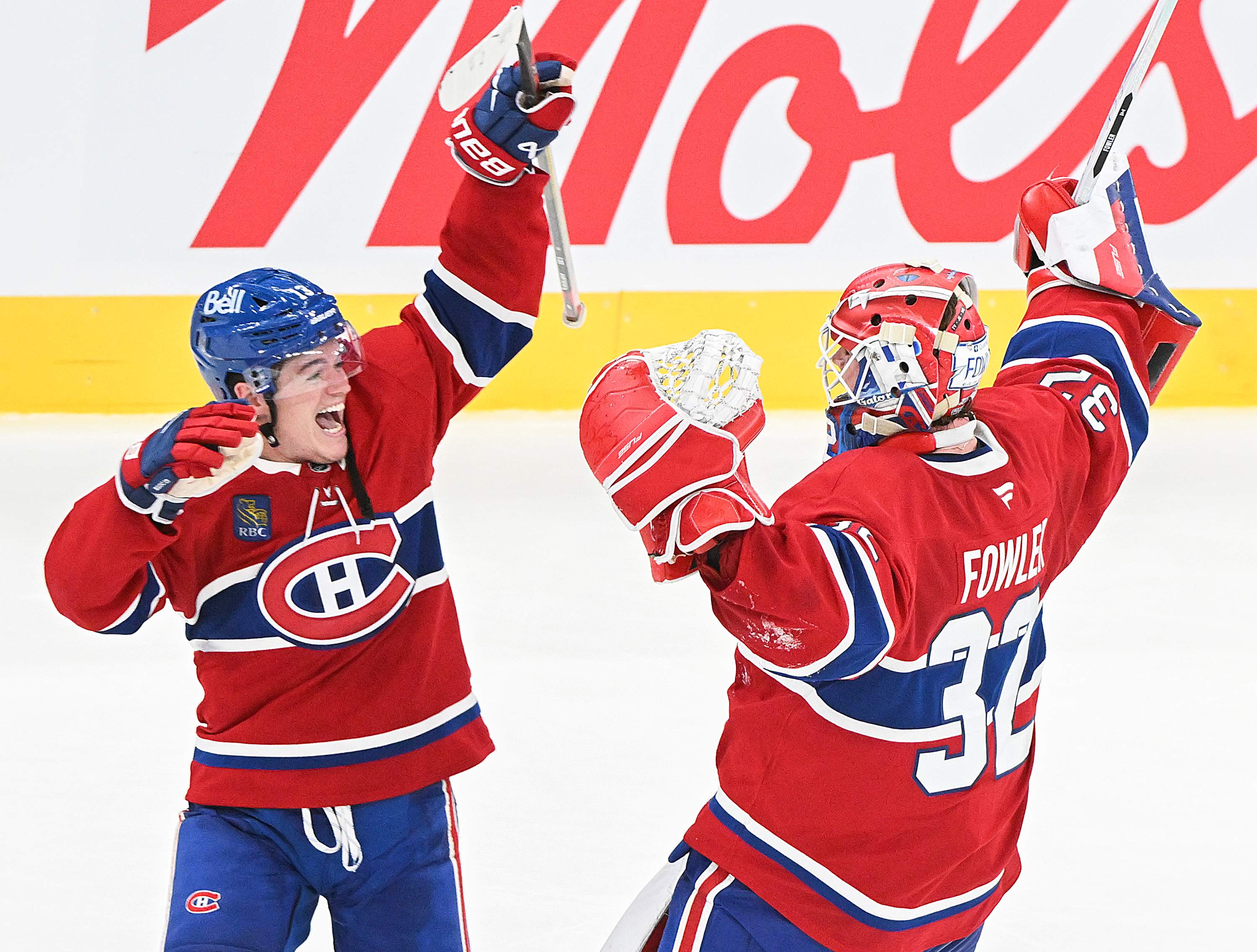
At the center of it all was Jacob Fowler.
A Historic Night in Montreal
Let's put this into proper perspective. Over more than a century of hockey, the Canadiens have deployed some of the greatest netminders to ever lace up skates. Ken Dryden, Patrick Roy, Jacques Plante—names etched permanently into the lore of the sport. None of them, across a combined century-plus of franchise history, ever walked off the ice having shut out an opponent across regulation, overtime, and a shootout in the exact same game.
Fowler did it before turning 22.
The workload itself was substantial. Detroit didn't roll over and play dead. The Red Wings generated thirty regulation shots, testing Fowler with genuine scoring threats throughout the evening. The modern three-on-three overtime format is intentionally designed to prevent shootouts by opening up the ice and creating constant odd-man rushes, giving skilled offensive players room to operate. Fowler stayed patient. He controlled his angles, suffocated second-chance opportunities, and gave Detroit nothing clean to aim at.
Solving the Shootout Masterclass
Then came the skills competition, which turned into a masterclass in stillness and tracking.
Detroit threw elite talent at him. Lucas Raymond took the first attempt and got stopped cold. Then came Alex DeBrincat, a player notorious for beating NHL goaltenders on breakaways and high-danger looks. Fowler stoned him. Larkin, Arvidsson, and the rest of the Detroit shooters came and went, and every single one of them was turned away.
Fowler wasn't catching lucky breaks off the iron, and he wasn't scrambling blindly. He looked completely in command, stopping all six Red Wings shootout attempts. Zachary Bolduc eventually solved Daniil Tarasov in the sixth round to secure the extra point, but Fowler had already made the outcome feel inevitable.
What This Means Moving Forward
For a Montreal team trying to navigate the early hurdles of a competitive season, finding stability in the crease is massive. With internal competition heating up and injuries forcing management's hand on roster decisions, performances like this completely alter the internal calculus for the coaching staff.
Fowler relies heavily on elite positioning and supreme balance rather than just relying on sheer size. That technical discipline is exactly what translates from junior and collegiate success into the professional ranks. When you watch him track a deke on a breakaway—like his denial of Andrew Copp in the third period—you see a goalie who reads the play two steps ahead of the shooter.
He flashed a massive smile after the final buzzer. He earned every bit of it. If this is the baseline for what Fowler brings to the table when the team needs a backbone, the rest of the league is going to take notice very quickly.