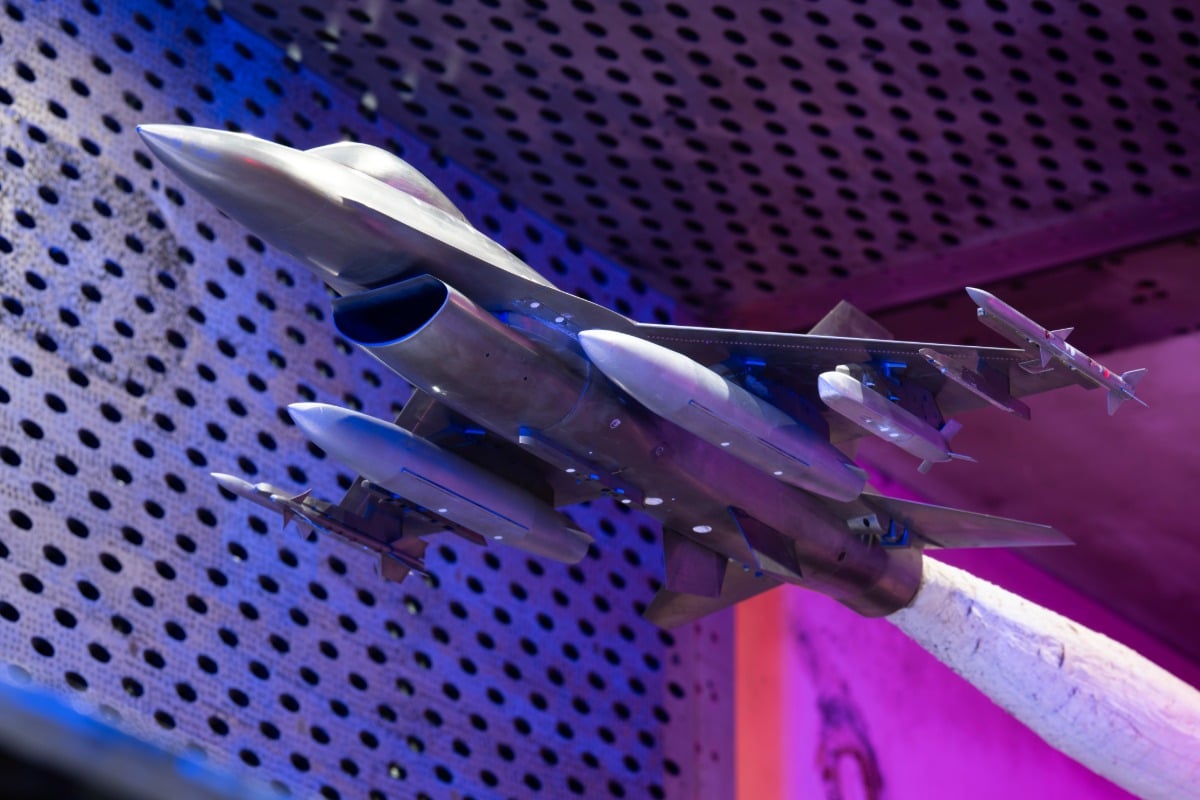
SpaceX does not own the sky anymore. For years, the global space industry watched Elon Musk dominate reusable rocketry while legacy agencies built expensive, single-use hardware. That era just ended. The Japan Aerospace Exploration Agency, known to everyone as JAXA, just completed a flawless flight test of its homegrown reusable rocket vehicle, pulling off a precision vertical takeoff and landing that changes the math for orbital access.
This isn't just a copycat project. It is a completely different engineering philosophy. While American companies lean on massive capital and brute force, Japan just proved you can build highly efficient reusability on a fraction of the budget. If you think this is just another minor tech update, you are missing the bigger picture. This flight changes how satellites will get to orbit by the end of the decade.
Let's look at what actually happened on the test pad and why the engineering choices made in Tokyo are causing serious discussions in modern aerospace circles.
The Engineering Reality Behind Japan New Space Race Entry
Most media coverage treats vertical landing like a solved problem. It isn't. Landing a rocket vertically requires fighting physics at every single second of descent. JAXA ran this specific flight test to validate their guidance systems, throttleable engines, and landing gear deployment under real-world aerodynamic stress.
The vehicle lifted off, ascended to its targeted altitude, performed a controlled hover, shifted laterally, and touched down precisely on the target marker. It looked simple. It was incredibly complex.
The big difference lies in the fuel choice and engine management. SpaceX relies heavily on rocket-grade kerosene or liquid methane. JAXA has spent decades mastering liquid hydrogen. Hydrogen is notoriously difficult to handle. It leaks through the microscopic imperfections of metal. It requires extreme cryogenic temperatures. But it provides incredible efficiency and burns completely clean. By successfully utilizing a throttleable hydrogen engine for precise vertical recovery, Japan just unlocked a major technical milestone.
They did it under immense pressure. The H3 rocket program faced years of delays before finding its footing. JAXA needed a definitive win to prove their long-term space transportation strategy was viable. This successful touchdown gives them exactly that leverage.
Why Liquid Hydrogen Changes the Reusability Equations
To understand why this matters, you have to look at the wear and tear a rocket experiences. When a kerosene-fueled rocket lands, soot builds up inside the plumbing. Engineers call this coking. Cleaning out that carbon buildup takes time, specialized solvents, and deep inspections. It slows down the turnaround time between launches.
Hydrogen does not have this problem. When hydrogen burns with oxygen, the only byproduct is water vapor.
- Zero soot production: The internal components of the engine stay pristine.
- Reduced inspection times: Refurbishment teams don't have to tear down the turbopump assemblies after every single flight.
- Longer structural life: Thermal stresses are different, allowing for more repeat flights per airframe.
There is a catch, of course. Hydrogen has a very low density. This means you need physically massive fuel tanks to hold enough mass to get to space. Big tanks mean more structural weight and more aerodynamic drag during descent. JAXA engineers solved this by using advanced carbon-composite fuel tanks that keep the dry mass of the vehicle incredibly low. They designed a structure light enough to hover softly but strong enough to withstand the thermal shock of reentry.
What Most People Get Wrong About JAXA Tight Budgets
People assume that whoever spends the most money wins the space race. That is a myth. JAXA operates on a tiny budget compared to NASA or major private military contractors in the West. They cannot afford to blow up dozens of prototypes on a beach in Texas to see what works.
They have to get it right on the first or second try. This forces an entirely different style of development.
Instead of building massive, fully integrated systems right away, Japanese engineers focus on high-fidelity simulation and incremental component testing. They perfected the pintle injector for the engine on the ground. They ran thousands of hours of computational fluid dynamics software before laying down a single sheet of metal. This conservative, hyper-focused style is slower initially, but it avoids the spectacular, multi-million-dollar explosions that look great on social media but drain public funds.
The success of this launch proves that precision modeling can replace expensive hardware iterations. It is a lesson that Western startup companies should probably start paying attention to.
Geopolitical Waves in the Asian Aerospace Sector
This successful landing is not happening in a vacuum. The geopolitics of the Asian continent are shifting rapidly. China is expanding its Long March rocket fleet at breakneck speed and testing its own reusable stages. India is rapidly commercializing its space program, offering dirt-cheap launch options for small satellites.
Japan needed to secure its own independent, cost-effective path to orbit. Relying on American commercial launchers like SpaceX or United Launch Alliance is a strategic risk. If a global conflict breaks out or supply chains collapse, domestic launch capability becomes a matter of national security.
By mastering reusable vertical recovery, Japan protects its industrial base. They ensure that domestic satellite constellations for surveillance, communications, and weather tracking can launch on schedule, no matter what happens in the rest of the world. It also positions Tokyo as a premier launch hub for international customers who want an alternative to American or European hardware.
How Commercial Satellite Operators Win From This Shift
If you run a satellite company, you care about two things. You want low costs, and you want predictable launch schedules. Right now, the line to get a ride on a reusable rocket is long. You are often at the mercy of major rideshare providers who dictate when and where you deploy.
Japan entering the reusable arena means competition. Competition drives down prices.
More importantly, it creates redundancy. If an anomaly grounds a specific fleet of Western rockets for six months, the entire global space economy grinds to a halt. Having a completely distinct technology stack available in Japan ensures the global supply chain keeps moving. JAXA intends to integrate these recovered components directly into their future commercial offerings. They want to make spaceflight a routine logistics exercise, much like shipping containers across the ocean.
Next Steps for Reusable Tech
The immediate priority for the engineering teams involves analyzing the telemetry from this flight. Every sensor along the fuselage recorded thermal data, vibration frequencies, and acoustic stress during the landing sequence.
Engineers will strip down the vehicle to inspect the valves, the landing struts, and the thermal protection tiles. They need to see if the real-world wear matches their software models. Once that data is verified, work moves directly toward scaling this platform into a full-sized orbital booster stage.
Keep a close eye on the upcoming test schedules out of the Noshiro Rocket Testing Center and the Tanegashima Space Center. The hardware is real, the data is solid, and the monopoly on reusable spaceflight is officially over.