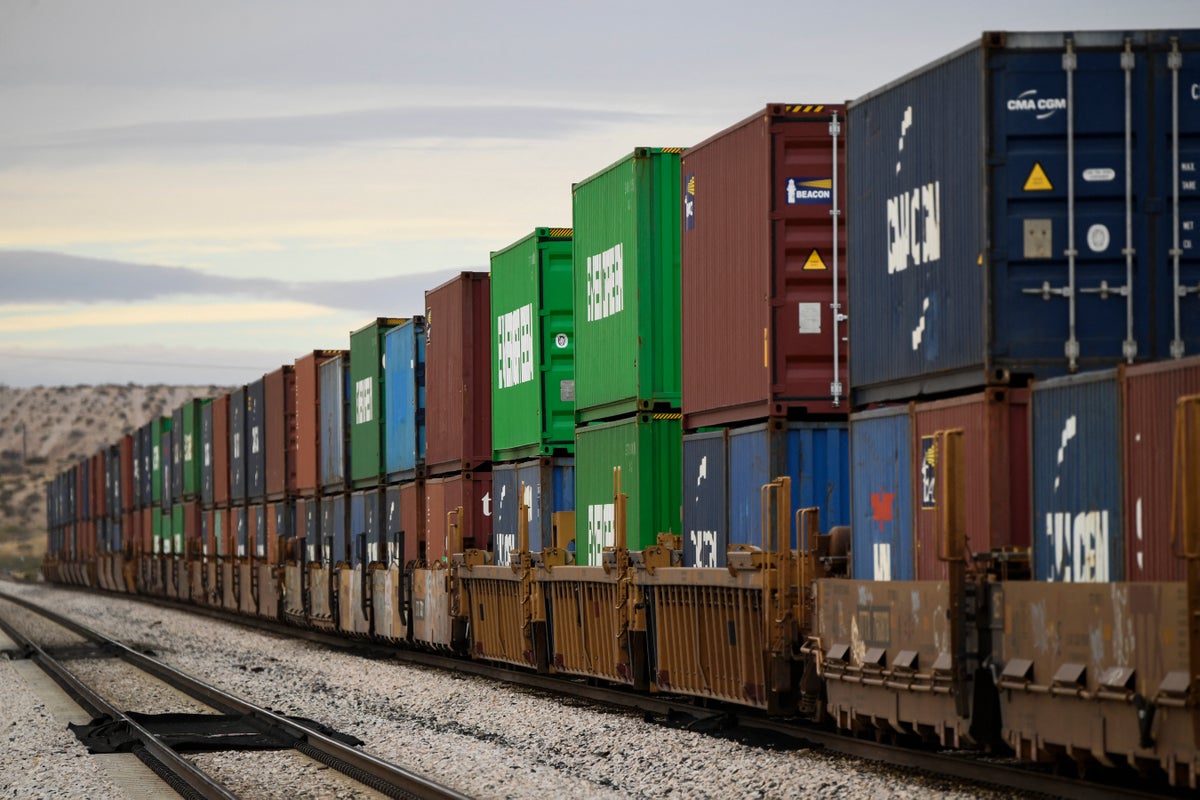
When the earth shifts beneath Japan, assembly lines thousands of miles away grind to a sudden halt. Modern supply chain resilience faces an ongoing stress test whenever tectonic activity disrupts manufacturing hubs in the region, shutting down critical automotive and semiconductor plants. This constant vulnerability exposes a dangerous structural flaw in modern industrial planning. Efficiency was prioritized over survival. Redundancy was systematically stripped away in favor of lean inventories. Now, corporate leadership confronts the heavy cost of that calculation.
The Myth of Just-In-Time Perfection
For decades, business schools preached the gospel of just-in-time manufacturing. Warehouses became obsolete costs to be eliminated. Parts arrived on factory floors mere hours before installation. This model worked brilliantly during stable economic windows. Profit margins expanded. Capital stayed fluid.
Then the ground shook.
A major seismic event in Japan does more than crack concrete and shatter glass. It severs hyper-localized supplier networks that took fifty years to build. A single specialized foundry producing a specific type of microcontroller can halt production for major automakers across North America and Europe. The lack of a five-dollar component stops a fifty-thousand-dollar vehicle from rolling off the line. This bottleneck highlights a fundamental misunderstanding of risk. Modern factories operate on hyper-efficient schedules with zero margin for error. When the primary source breaks, secondary sources do not magically appear.
Geographic Concentration Risk
Look closely at where advanced microchips and specialized automotive components originate. The geographic clustering is staggering. Entire industries rely on suppliers packed tightly into specific earthquake-prone prefectures.
Clustering drives down shipping costs and accelerates collaboration. Engineers can drive across town to fix a design flaw within hours. Yet this proximity creates a massive single point of failure. When a natural disaster hits that exact geographic coordinates grid, the localized advantage instantly transforms into a systemic global crisis. Diversification was ignored because the immediate financial returns of clustering were too high to resist.
The Cost of Stockpiling Versus the Cost of Stopping
Executives face a brutal financial paradox. Maintaining safety stock ties up capital and risks component obsolescence. Letting inventory drop to zero maximizes cash flow until a disaster strikes.
Calculating the true cost of disruption requires looking beyond immediate lost revenue. When an assembly line goes dark, labor costs continue. Supplier contracts carry penalties. Market share bleeds to competitors who managed to scrape together enough inventory to keep shipping products. Corporations historically treated natural disasters as black swan events, anomalies too rare to justify heavy defensive spending. That excuse no longer holds weight. Seismic events in the Pacific ring of fire happen with predictable irregularity. Treating predictable geography as an unpredictable shock is simply poor management.
The Hidden Bottlenecks
Silicon wafers require pristine environments. A sudden tremor disrupts lithography machines operating at sub-micron precision. Recalibrating these instruments takes weeks, sometimes months.
Automotive wiring harnesses require immense manual labor, often concentrated in specific regional factories. When buildings sustain structural damage, human workers cannot safely return. The physical rebuilding of infrastructure is only the first hurdle. Re-certifying manufacturing quality standards after equipment displacement consumes precious time. Corporate balance sheets rarely account for a three-month operational blackout in a primary supply region.
Engineering Genuine Resilience
Fixing this vulnerability requires abandoning the obsession with maximum efficiency. True operational security demands redundancy.
Factories must diversify geographic footprints. Dual-sourcing critical microchips from different continents prevents regional shutdowns from cascading globally. Higher buffer stocks for mission-critical parts must become standard operating procedure, not a sign of administrative waste. Shareholders will groan at the short-term dip in return on capital. Those same shareholders will cheer when their portfolio companies survive a disaster that bankrupts leaner rivals.
The next major tremor is already written into the geology of the earth. How corporate supply chains respond will determine which enterprises endure and which become cautionary tales of misplaced optimization.