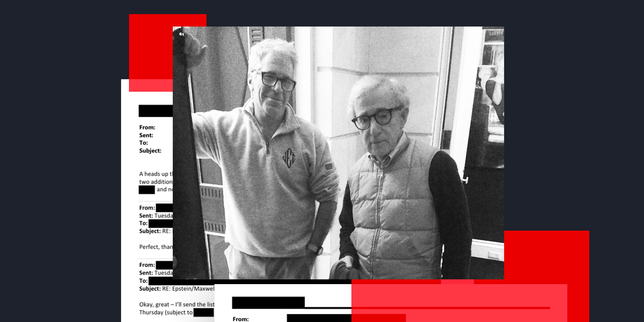
We already knew Jeffrey Epstein spent decades weaving a web of powerful, wealthy, and famous figures. Released documents and emails continue to expose the mechanics of how he operated. One of the more striking dynamics to emerge from those files involves filmmaker Woody Allen and his wife, Soon-Yi Previn.
People often wonder why high-profile creators and public figures mingled with a convicted sex offender long after his 2008 conviction. The reality goes beyond simple social curiosity. Epstein functioned as an informal fixer and a connector for cultural elites, using access, favors, and institutional leverage to cement his status in New York and Washington.
The Currency of Access
Epstein didn't just invite celebrities to his Manhattan townhouse for casual dinners; he offered utility. Newly unearthed records show that Epstein actively used his political contacts to grant favors to his inner circle.
For instance, documents revealed that Epstein utilized his relationship with a former Obama administration White House counsel to arrange a private White House tour for Woody Allen and Soon-Yi Previn in December 2015. While President Barack Obama was away in Hawaii, the filmmaker and his wife gained exclusive access to the executive mansion—a favor orchestrated entirely behind the scenes by Epstein.
This kind of transactional favor-bank is how Epstein maintained relevance. He positioned himself as a man who could pull levers that others couldn't. For aging or socially isolated creators facing public backlash or shifting cultural tides, Epstein provided a welcoming, uncritical sounding board.
Shared Grievances and the Cultural Backlash
As the cultural landscape shifted in the late 2010s, particularly with the rise of the #MeToo movement, Epstein’s inner circle found common ground in mutual resentment. Correspondence released from the Epstein archives shows Previn and Allen venting to Epstein about public scrutiny, cancel culture, and shifting media standards.
Epstein played the role of the sympathetic advisor, telling his guests that public outrage was a passing storm and encouraging them to ignore the noise. By validating their grievances, Epstein reinforced his value to them. He created an insulated bubble where accountability didn't exist, anchoring famous names to his orbit through shared isolation from mainstream norms.
Why the Connections Matter Now
The ongoing trickle of documents isn't just about sensational headlines. It exposes a systemic failure of judgment among elite gatekeepers. Figures like Allen were never implicated in Epstein's specific criminal trafficking operations, but their willingness to overlook a criminal record in exchange for dinners, flattery, and political favors speaks volumes about how power protects itself.
Epstein understood human vanity. He mapped out what people wanted—whether it was prestige, quiet validation, or a VIP tour of Washington—and delivered it. Unpacking these relationships reveals how easily wealth and notoriety can build parallel systems of validation, keeping bad actors insulated for far too long.
How Jeffrey Epstein used Woody Allen to expand his network
This video explores the investigative findings and document releases detailing how Jeffrey Epstein strategically cultivated relationships with cultural figures like Woody Allen to maintain his social standing.