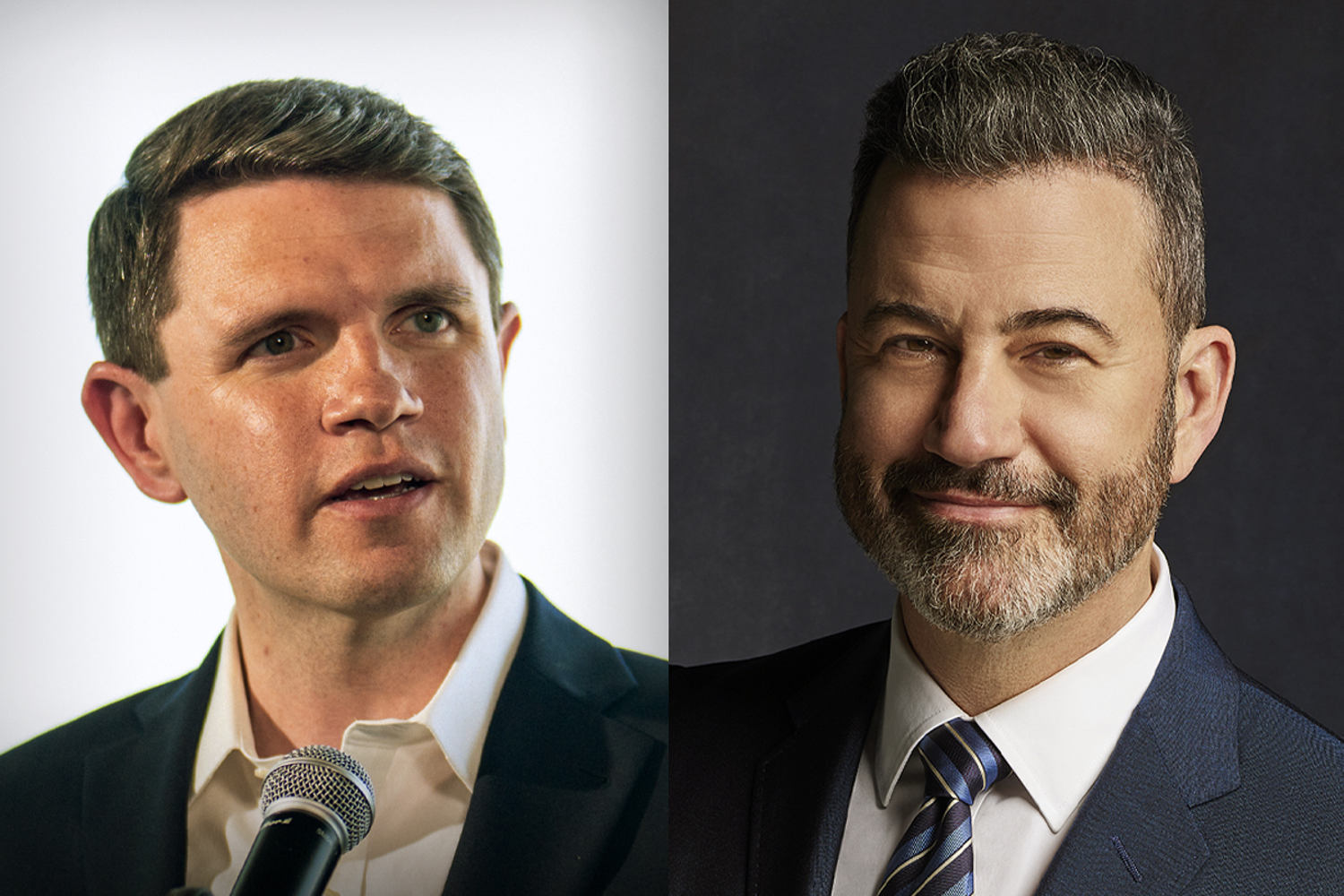
Jimmy Kimmel just threw a wrench into traditional television broadcasting. During his Wednesday monologue, the late-night host announced that his scheduled interview with Texas Democratic Senate nominee James Talarico would not air on ABC stations. Why? Direct pressure and threats from the Federal Communications Commission under the Trump administration.
Instead of backing down completely, Kimmel took the segment to YouTube. This move signals a massive shift in how political discourse survives under heavy regulatory heat. If you think this is just standard Hollywood drama, you're missing the bigger picture. It is a calculated standoff over the First Amendment, broadcasting licenses, and the changing rules of media engagement.
The Equal Time Rule Clash
For decades, late-night comedy and talk shows operated under a comfortable safety net. Shows hosted by Johnny Carson, David Letterman, Jay Leno, and Kimmel himself routinely hosted political figures of all stripes without regulatory penalties. Back in 2015, Donald Trump sat down with Kimmel while running for his first term. Back then, guest bookings were simple editorial choices.
Everything changed when the FCC Media Bureau issued a public notice stating that talk shows advancing partisan goals would lose their traditional "bona fide news interview" exemptions. Under FCC Chairman Brendan Carr, the agency has cracked down hard, claiming that programs crossing certain lines must adhere strictly to equal time obligations or face licensing repercussions.
Kimmel didn't mince words about the hypocritical shift. He pointed out that Trump used to love dropping by late-night sets when it suited his campaign. Now that the administration holds the reins, the regulatory hammer is swinging fast. ABC and its parent company, Disney, are already locked in a federal lawsuit against the FCC over retaliatory early license reviews.
Protecting Local Affiliates From the Crossfire
Kimmel made it clear that pulling the Talarico interview wasn't just about saving his own skin. It was about protecting local stations.
"Out of consideration for our local stations, especially our ABC affiliates in Texas who would have to deal with this nonsense, my interview tomorrow with James Talarico will not air on television," Kimmel told viewers.
Texas is ground zero for this specific political firestorm because Talarico is running a high-stakes Senate campaign against Republican Attorney General Ken Paxton. Local affiliates in Texas would bear the immediate brunt of FCC complaints, fines, or license renewal hurdles if they broadcasted the sit-down without granting equal time windows to every other competitor in an crowded field.
We saw a identical playbook earlier this year when CBS lawyers blocked Stephen Colbert from broadcasting his own scheduled interview with Talarico. That conversation also migrated to YouTube, where it pulled massive digital numbers. Censorship on linear television is inadvertently driving historic viewer counts to streaming platforms.
The Digital Workaround
When networks fold under regulatory pressure, content simply finds another pipeline. Kimmel confirmed that the Talarico discussion would launch in full on the Jimmy Kimmel Live! YouTube channel.
This creates a fascinating paradox for media regulators. By threatening broadcast networks with penalties or license revocations, government bodies think they can suppress a candidate's reach. Instead, they trigger the Streisand effect. Millions of viewers who might have skipped a standard late-night segment will now seek it out online.
Civil liberties groups like the Foundation for Individual Rights and Expression (FIRE) and Public Knowledge have slammed the FCC's aggressive stance. They view Carr's actions as a deliberate attempt to chill critical speech and turn broadcast networks into compliance-driven megaphones. When government agencies target stations over guest bookings, networks learn to self-censor instantly.
You do not need an official ban when the threat of losing an operating license hangs in the balance. Self-preservation does the job quietly.
Constitutional battles over media freedom rarely happen in a courtroom alone. They play out in real time through cancelled bookings, midnight legal memos, and sudden pivots to digital video. If late-night television can no longer host major political figures without risking the livelihood of local affiliate stations, the entire medium's role in elections is fundamentally broken. Check out the digital feeds if you want unvarnished political interviews, because linear television is locking the doors.