The fashion world loves a redemption arc, but some stains refuse to wash out. When the Metropolitan Museum of Art announced that its spring 2027 Costume Institute exhibition would honor John Galliano, insiders predicted avant-garde brilliance. Everyone else predicted a PR disaster. Less than a month later, the museum and the designer pulled the plug, confirming that institutional memory in the cultural sector is a lot longer than luxury executives care to admit.
If you tracked the timeline, the spiral wasn't surprising. The decision to hand a solo retrospective to a designer convicted of hate crimes in France triggered immediate pushback. Prominent donors threatened to pull funding, biographers penned public warnings, and civic leaders made their outrage known. Galliano ultimately released a statement noting that the show shouldn't happen right now, stating he remains accountable for the pain caused by his past antisemitic and anti-Asian remarks.
The High Cost of Selective Forgetting
Luxury houses are masters at rebranding disgraced talent. After Dior ousted Galliano in 2011 following a video-recorded tirade in a Paris cafe, he spent years in professional purgatory before Maison Margiela welcomed him back in 2014. The fashion community embraced his return, treating his atelier brilliance as an adequate cleanser for his personal conduct.
Museums, however, operate under a different set of rules than private design houses. The Met isn't just selling clothes; it's cementing historical narratives. Handing a rare solo exhibition to a living designer—a status previously reserved for icons like Yves Saint Laurent and Karl Lagerfeld—carries immense cultural weight. When leadership greenlit the retrospective, they underestimated how deeply the public connects artistic genius with moral accountability.
Pushback arrived swiftly from multiple directions. Dana Thomas, who wrote a biography on the designer, argued in a New York Times essay that celebrating him right now crossed a line. New York City Council Speaker Julie Menin wrote formal objections to museum directors, highlighting the deep hurt caused to Jewish communities. Reports also surfaced that major donors threatened to withhold financial support, while scheduling conflicts loomed as the planned gala date brushed against Yom HaShoah.
Why Anna Wintour Miscalculated
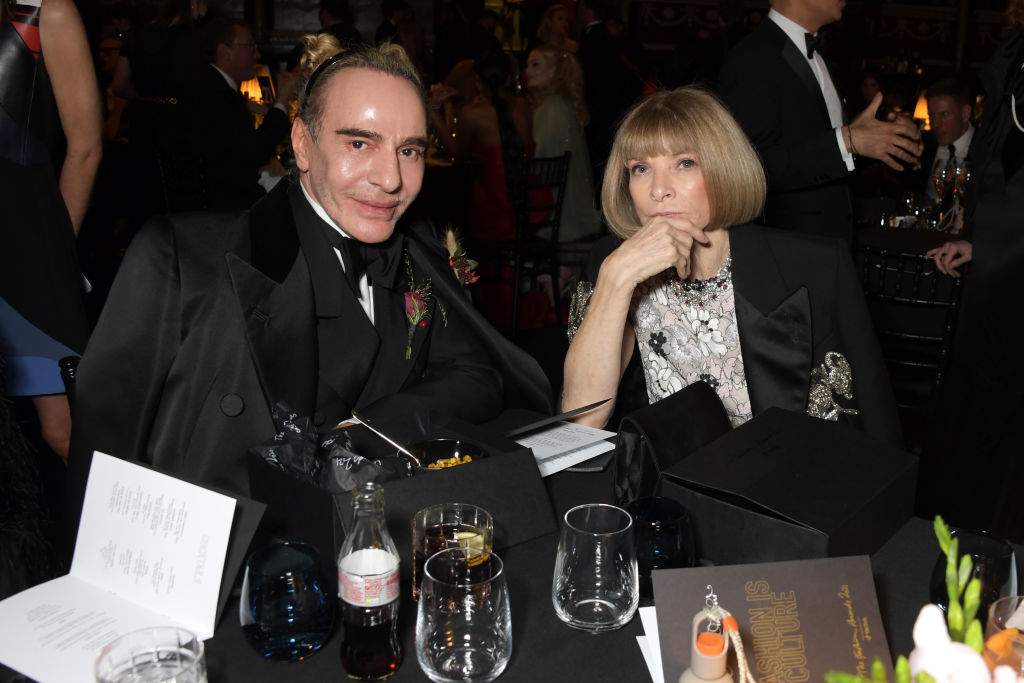
No analysis of this cancellation makes sense without looking at Anna Wintour. As the driving force behind the Met Gala and a towering figure at Condé Nast, Wintour championed Galliano for decades. She stood by him through his firing, wore his custom designs, and pushed hard to cement his legacy within the museum's walls.
When the exhibition collapsed, Wintour praised Galliano's withdrawal as a courageous measure of his character. But the miscalculation was glaring from the start. Banking on the assumption that the industry's forgiveness would automatically translate to the general public was a massive blind spot. In an era marked by heightened sensitivity to rising antisemitism and social equity, elite fashion patronage doesn't override community pain.
Even the involvement of certain rabbis who met with Galliano and believed his repentance was sincere couldn't save the project. While personal redemption is a private or spiritual matter, public celebration by a premier public institution requires universal trust. That trust simply wasn't there.
Where the Costume Institute Goes From Here
The Met now faces an awkward scramble to pivot its blockbuster spring 2027 schedule. The Costume Institute relies on these mega-exhibitions for massive ticket sales, cultural relevance, and donor retention. Finding a replacement topic that packs the same commercial punch on short notice is a tall order.
The fallout serves as a warning shot for cultural institutions everywhere. You cannot separate historic art from contemporary context when the creator is alive, vocal, and carrying a documented history of hate speech. Luxury patrons can compartmentalize behavior to chase aesthetic thrills, but public museums answering to a diverse populace cannot afford that luxury.
Galliano stays at Margiela, his clothes still command runway reverence, and his technical genius remains intact. But the museum doors will stay closed to his legacy for a long time.