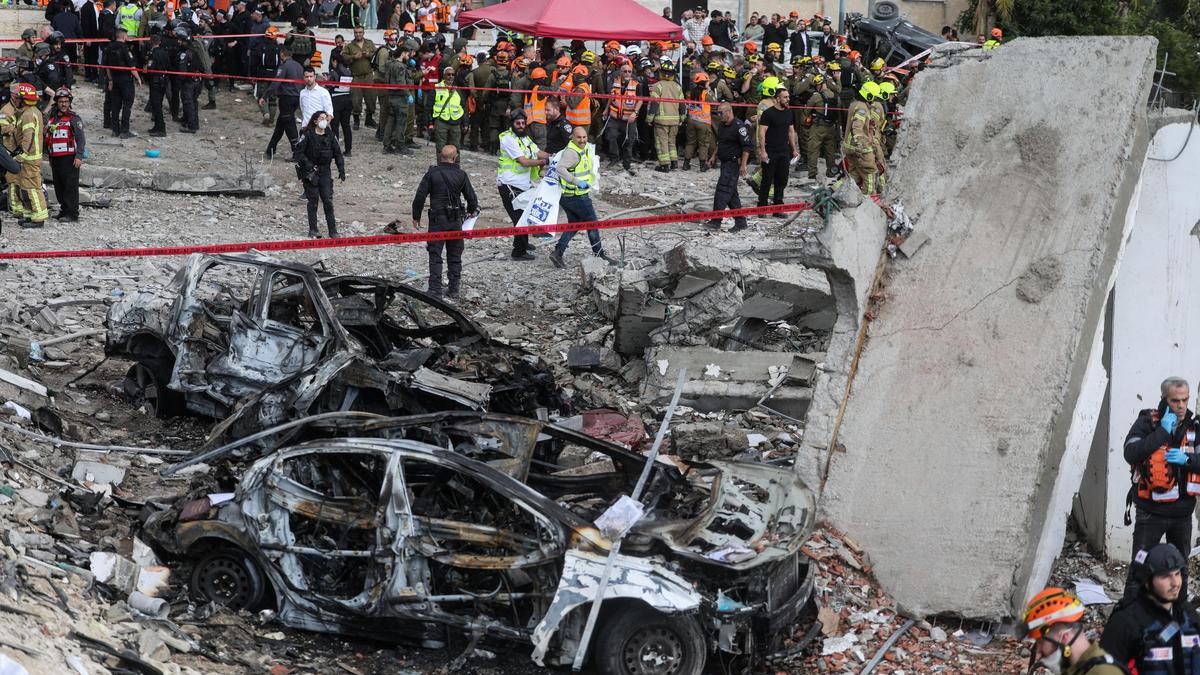
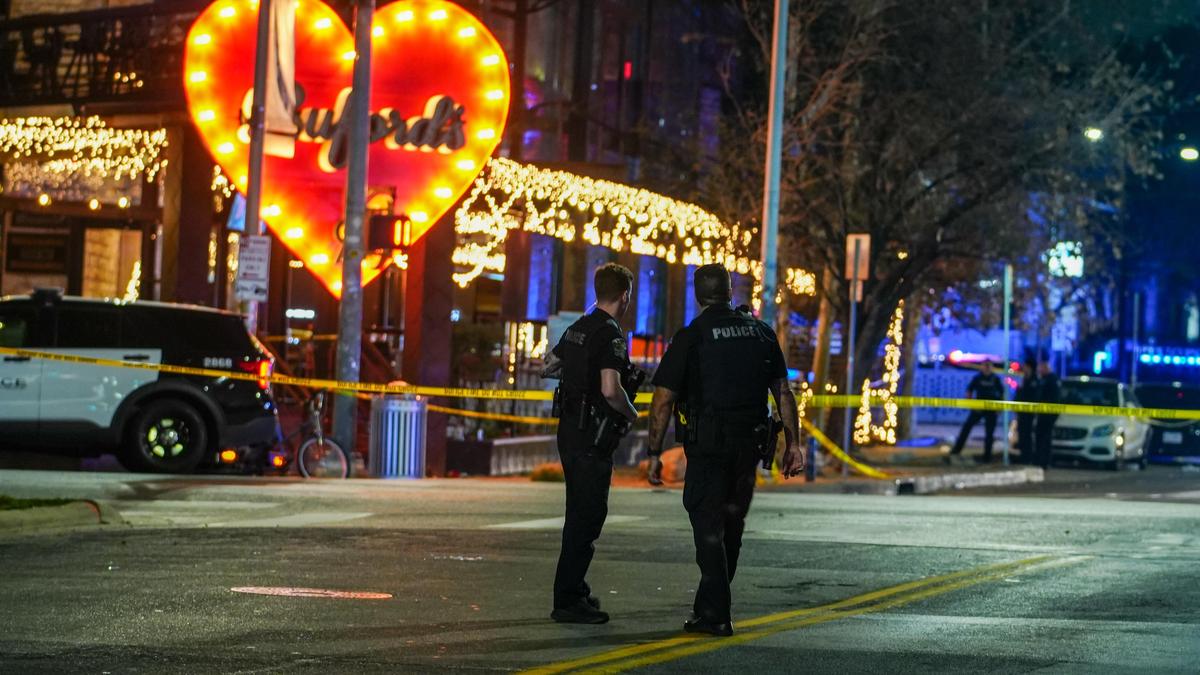
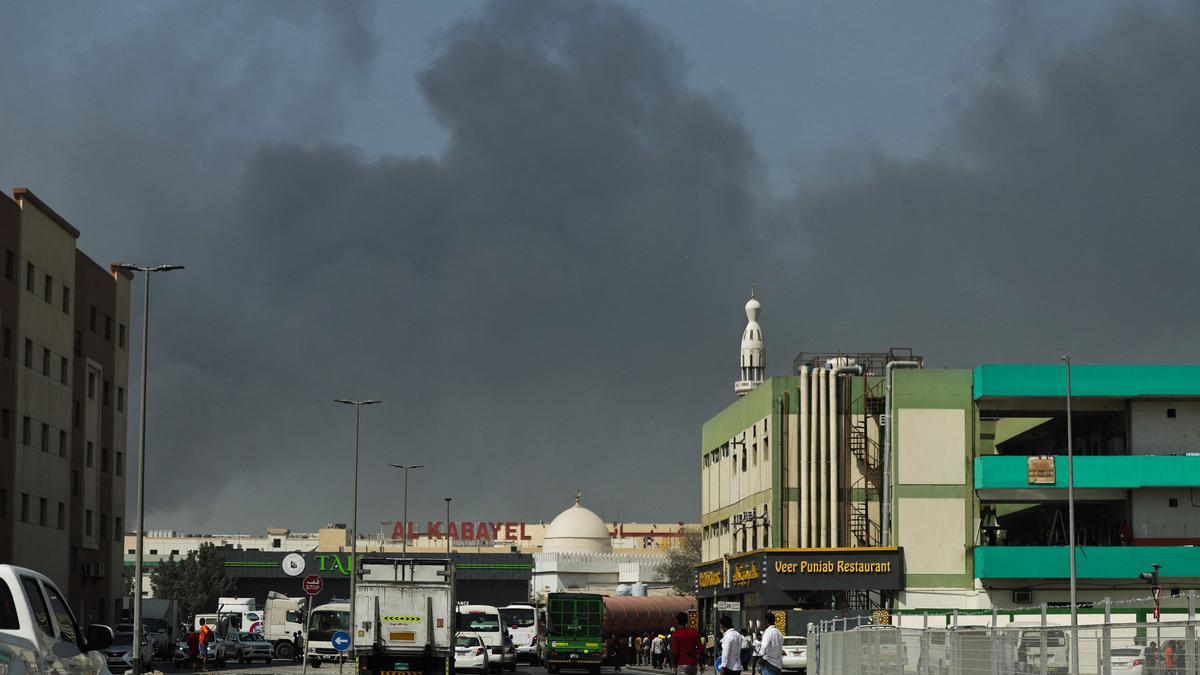
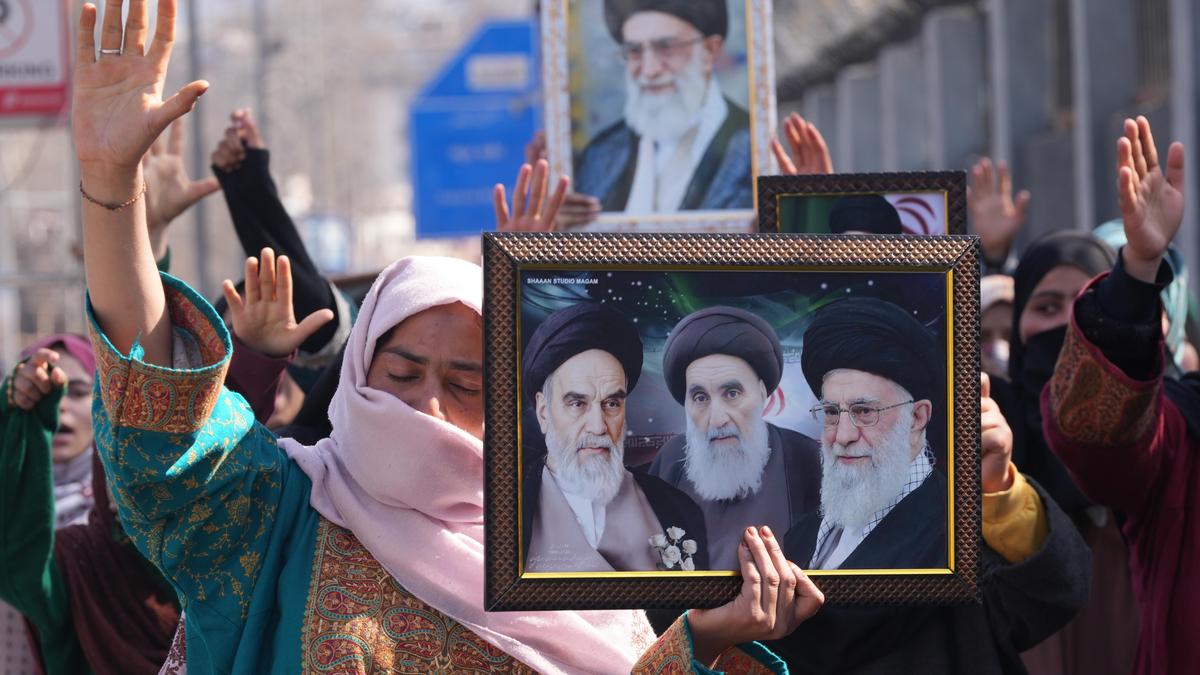
The smoke hasn't even cleared from the streets of Karachi, and the numbers are already staggering. At least 10 people are dead after a mob tried to storm the U.S. Consulate on Sunday. This wasn't just another protest. It was an explosion of rage triggered by the news that a joint U.S.-Israeli strike killed Iran’s Supreme Leader, Ayatollah Ali Khamenei.
If you think this is just a local Pakistani issue, you're not paying attention. Karachi is a massive megacity of 20 million people. When it burns, the heat is felt everywhere.
Blood on the streets of Karachi
The chaos started early Sunday. Hundreds of protesters, many from the city's significant Shiite community, marched toward the consulate on Mai Kolachi Road. They weren't there to hold signs and chant. They came with sticks, stones, and a clear intent to breach the perimeter.
Police and paramilitary Rangers tried to hold the line. They used tear gas. They fired into the air. Eventually, they fired into the crowd.
Dr. Sabir Memon, head of the Trauma Center at Civil Hospital, confirmed the grim reality. Nine bodies with gunshot wounds were brought to his facility. Another person died during treatment. At least 40 others are injured, some critically. Two police officers are also among the wounded.
The protesters actually managed to breach the perimeter. They smashed windows and set fire to a police check post outside. Some even reached the reception area and lit a small fire there. Viral videos show young men yelling about "avenging the leader." It's a scene that looks more like a war zone than a civil demonstration.
A country on the brink
Karachi wasn't the only city to see violence. This is a nationwide spasm of anger. In the northern region of Gilgit-Baltistan, at least 11 people were killed. Protesters there went as far as setting a UN office on fire.
Think about that for a second. A UN office.
In Islamabad, the capital, police had to seal off the "Red Zone" to protect the U.S. Embassy. They used massive shipping containers to block roads, but even that barely held back the crowds. Similar clashes broke out in Lahore and Peshawar.
The Pakistani government is in a tight spot. Interior Minister Mohsin Naqvi appealed for calm, but he also acknowledged the "martyrdom" of Khamenei. President Asif Ali Zardari expressed "profound sorrow." They have to walk a fine line between keeping the peace and not appearing like puppets of the West.
The bigger picture nobody talks about
Most news reports focus on the body count. They miss the real story. This is about the "Axis of Resistance" and how it’s reacting to a massive power vacuum in Tehran.
Khamenei was the head of state for 36 years. He built a network of militias across the Middle East—Hezbollah in Lebanon, the Houthis in Yemen, various groups in Iraq. When he was killed, it didn't just hurt Iran. It sent a shockwave through every community that looked to him as a spiritual and political guide.
Pakistan has one of the largest Shiite populations in the world. About 15% of its 250 million people are Shiite. That’s roughly 37 million people. When they feel their leader has been assassinated by a foreign power, the internal stability of Pakistan is at risk.
We also saw similar attempts to storm the U.S. Embassy in Baghdad’s Green Zone on the same day. This is a coordinated emotional response. It’s a sign that the "Social Media War" is real. Iran’s state media confirmed the death, and within hours, mobs were at the gates of American diplomatic missions thousands of miles away.
What this means for you
If you’re a Westerner living in the region, the advice is simple. Stay inside. The U.S. Embassy has already told its citizens to avoid large crowds and monitor local news. This isn't the time to be a tourist.
The Sindh provincial government has formed a committee to investigate the killings. Don't expect much from it. These committees are usually just a way to let the dust settle without taking real action.
The real question is what happens next in Tehran. Will a new leader be chosen quickly? Will the Revolutionary Guards take more control? Until there’s a clear succession, the streets of cities like Karachi will remain a powder keg.
If you're in Karachi or planning to travel there, keep an eye on the Mai Kolachi area and the Diplomatic Enclave in Islamabad. Avoid any area where crowds are gathering. Things are moving fast, and what looks like a peaceful rally can turn deadly in minutes.
The 40-day mourning period declared by Iran means this isn't over. Expect more protests every Friday for the next month. Check the latest travel advisories from the State Department or your local embassy before making any moves.