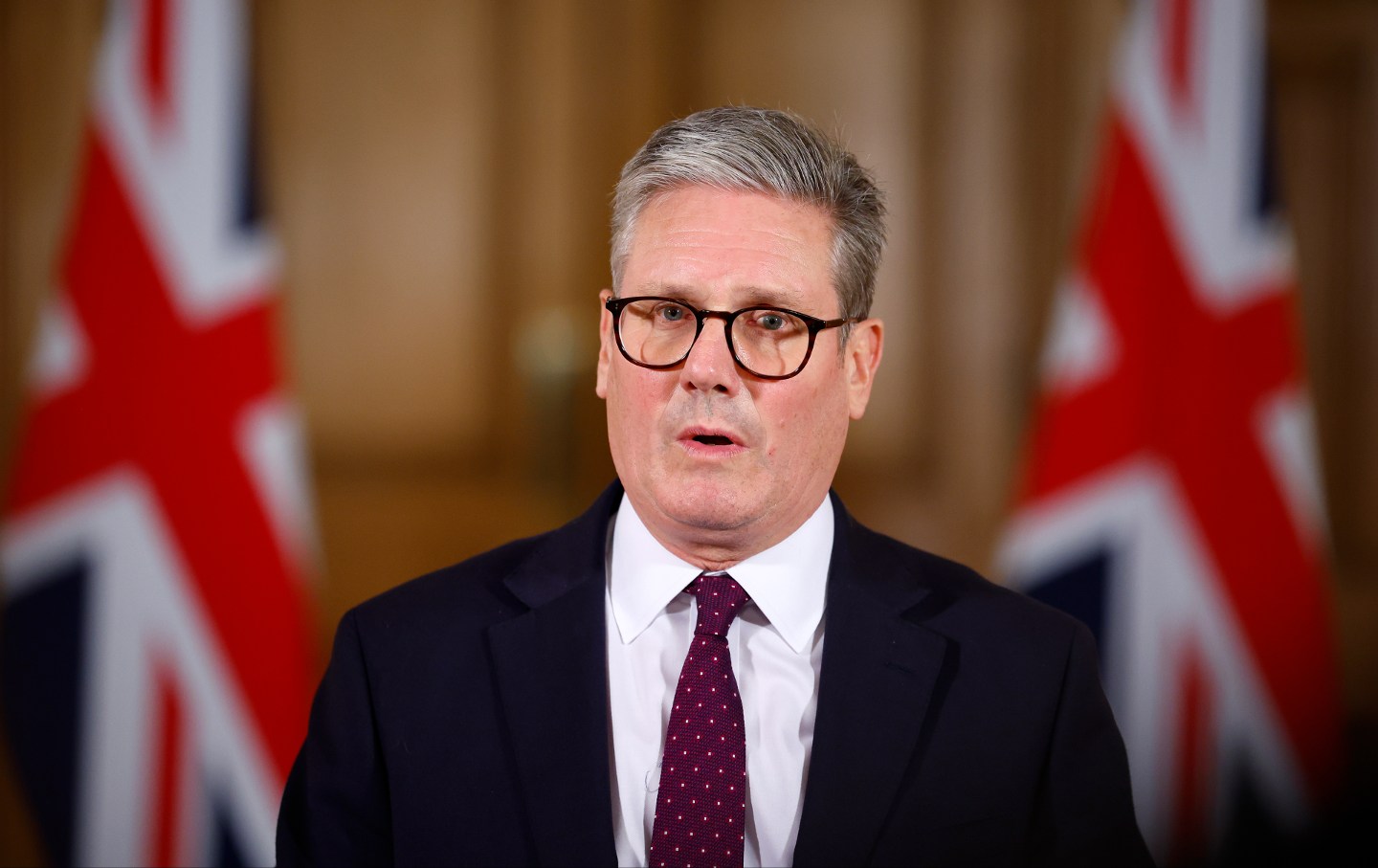
Forget the honeymoon period. It didn't just end; it's been buried under a mountain of voter resentment and a geopolitical crisis that Keir Starmer didn't ask for but has to manage. As we head into the May 2026 local elections, the "change" Labour promised two years ago feels like a distant, slightly ironic memory to a lot of people. If you think these are just standard mid-term blues, you're not looking at the data. This isn't a routine bloody nose. It’s looking like a full-scale electoral amputation.
The numbers coming out of the latest YouGov and PollCheck models are, frankly, brutal. Labour is defending seats they won back in 2022 when Boris Johnson was imploding over Partygate and the Tories were in a tailspin. Back then, Labour was polling at 35%. Now? They’re hovering around 20%. You don't need a degree in statistics to see the cliff edge.
The nightmare of a four front war
In the past, a Labour Prime Minister usually just had to worry about the Conservatives. Maybe the Lib Dems would nibble at the edges. But 2026 is different. Starmer is being squeezed from four different directions, and he doesn't seem to have a coherent shield against any of them.
- The Reform UK Surge: This is the big one. Nigel Farage’s party has gone from a local government irrelevance in 2022 to a genuine powerhouse. They’re polling upwards of 27% in some areas. They aren't just taking "Red Wall" votes; they're projected to take control of county councils in Essex, Norfolk, and Suffolk.
- The Green Machine: In London and university cities, the Greens are no longer a protest vote. They're a threat to Labour’s survival. With a surge in support over the government's record on Gaza and climate policy, the Greens are looking to become the largest party in places like Hastings and even challenge Labour’s grip on inner-London boroughs like Islington and Hackney.
- The Liberal Democrat Revival: In the leafy suburbs of the South, the Lib Dems are quietly mopping up "Kind Capitalists" who can't stomach the current Tory rhetoric but find Starmer too timid or too distracted.
- Conservative Resilience: Even with Kemi Badenoch facing her own struggles, the Tories still hold a core base that refuses to budge, especially in "Paternalist" heartlands.
Why London is no longer a Labour fortress
London used to be the place where Labour could bank wins without trying. That's over. The 2026 London borough elections are shaping up to be a disaster for the incumbent government. We're talking about the potential loss of control in councils Labour has held for decades.
Barking and Dagenham, once a solid red bastion, is now a primary target for Reform UK. Meanwhile, the Greens are eating Labour's lunch in the trendy, high-rent wards. YouGov’s MRP model suggests Labour could lose control of up to nine councils in the capital. Imagine Starmer losing Camden or Greenwich. It would be a symbolic humiliation that would make his position as leader almost untenable.
People are angry about the basics—street cleaning, potholes, and social care—but they're also using these ballots to scream at the government about the big stuff. The Mandelson appointment as US ambassador has become a lightning rod for "cronyism" accusations, and the ongoing international tension over the Iran war has left many feeling the government is prioritising foreign posturing over domestic stability.
A crisis of identity and the 1,000 seat loss
The projections suggest Labour could lose over 1,000 council seats. For context, that would be the worst performance for any Prime Minister in modern history. Worse than Gordon Brown in 2009. Worse than John Major in the mid-90s.
The "Somewheres"—working-class voters who lean right on culture but want state support on economics—are defecting to Reform in droves. They feel like Starmer’s Labour is more interested in the "Strong Left" values of young London renters than the concerns of a mechanic in Wigan or a pensioner in Barnsley.
When you lose 74% of the councillors you're defending, it’s not just a bad night. It’s a message that the electorate has stopped listening to you.
The Mandelson factor and the leadership threat
Politics is a game of momentum, and right now, Starmer has the velocity of a falling brick. The revelation that Peter Mandelson reportedly failed security vetting for the US ambassador role has been a gift to his enemies. It’s not just the opposition parties calling for his head; the murmurs within the PLP (Parliamentary Labour Party) are getting louder.
If the results on Friday morning show the predicted wipeout in the North and the loss of the Eastern counties to Reform, the calls for a leadership challenge won't just be Twitter noise. They'll be coming from the front bench. Ministers have been trying to play down the threat by citing the "international crisis," but voters don't care about geopolitics when they can't get a GP appointment or see their council tax skyrocket while services are cut.
What happens on Friday morning
When the results start trickling in, don't just look at the overall seat count. Look at the "Change" column.
- Check the "Blue Wall": If the Lib Dems and Greens are making gains here, it means the traditional middle-ground is abandoning the two-party system entirely.
- Watch the Eastern Counties: If Essex or Norfolk actually flip to Reform, we are in a new era of British politics. It’s the end of the Conservative-Labour duopoly.
- Monitor the "No Overall Control" (NOC) count: A high number of NOC councils means local government is going to become a mess of coalitions and bickering, further alienating voters who just want their bins collected.
Starmer's team will try to spin a "mid-term blues" narrative. They'll point to the war in Ukraine or the Iran crisis as a reason for the distraction. Don't buy it. These elections are a referendum on a government that promised a new start and delivered more of the same.
If you're a Labour supporter, start worrying. If you're a political junkie, grab the coffee. Friday is going to be a long, very uncomfortable day for Number 10.