Cleanup crews and exhausted residents in Japan's southern prefecture of Kumamoto are facing an impossible combination of disaster debris and blistering heat. Following a magnitude 7.1 earthquake that struck Kyushu on Tuesday, July 28, local communities are struggling to find stability. Thirty-eight people lost their lives in the immediate aftermath, including a tragic case of heat stroke suffered inside a stifling parked car.
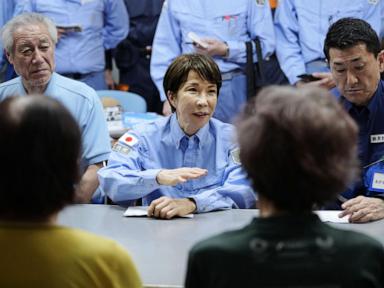
Prime Minister Sanae Takaichi flew over the disaster zone by army helicopter and made a brief ground visit on Monday, August 3. But the response has already sparked intense public backlash. When leaders fly in to inspect sanitized, well-supplied evacuation hubs while the rest of the region suffocates, people notice. You might also find this connected story insightful: The Invisible Line That Leaves Empty Chairs Behind.
The Reality on the Ground in Kumamoto
Walking through the towns of Uki and Hikawa right now means dodging mountains of broken glass, ruined appliances, and shattered furniture. Families are dragging their life savings and broken possessions out onto the curbs for municipal collection. At the same time, construction crews have finally broken ground on temporary housing units, but progress feels agonizingly slow for those currently displaced.
The numbers tell a grim story of infrastructure failure: As extensively documented in recent articles by The New York Times, the implications are widespread.
- Over 46,000 households are surviving without running water.
- More than 8,500 people are crammed into emergency shelters like school gymnasiums and community halls.
- Temperatures are hovering dangerously close to 40 degrees Celsius, or 104 Fahrenheit.
Many shelters lack basic air conditioning. Because of this, thousands of residents choose to sleep outdoors in tents, parks, or inside their vehicles. Privacy is completely gone. Sanitation levels are dropping. Public health officials are tracking a sharp rise in potential heat-related illnesses.
Political Optics Versus Cold Hard Facts
Prime Minister Takaichi's visit drew immediate criticism across social media platforms. Critics pointed out that her itinerary featured one of the premier evacuation centers in the entire region—complete with operational air conditioning, private partitions, and modern cardboard beds.
Kumamoto Governor Takashi Kimura pressed the prime minister during their official meeting, stating that the abnormal heat is actively compounding the misery of survivors. He demanded urgent financial and logistical backing to upgrade substandard shelters that lack medical supplies and clean drinking water. Takaichi promised a prompt review by her administration, but critics argue that emergency responses shouldn't require a high-level photo op to trigger basic assistance.
Corporate Negligence and Mall Tragedy
Beyond the physical devastation of homes—with Kumamoto prefecture reporting roughly 700 destroyed houses and over 11,300 damaged buildings—human choices have made things worse.
At the collapsed Aeon Mall in Kashima, rescue teams managed to pull survivors and bodies from the rubble. The structure gave way following a suspected gas leak triggered by the seismic activity. While roughly 3,000 shoppers successfully evacuated to the safety of the parking lot, corporate greed cost lives inside.
Executives from Habita, a local general store operator inside the mall, attended the wake of 22-year-old employee Kurumi Otake. They issued a public apology after admitting that management specifically instructed Otake and a colleague to re-enter the unstable, damaged building to secure cash register sales proceeds in a safe. An avoidable explosion took their lives. Otake's mother captured the absolute grief of the region when she told the executives that her daughter is never coming home.
What Needs to Happen Now
Disaster management in southern Japan has reached a critical inflection point. If you are tracking this event or supporting relief efforts, look past the political visits and focus on direct mutual aid.
- Prioritize Heat Safety: Relief groups must urgently route portable cooling units, industrial fans, and bottled water to unsanctioned parking lot encampments where elderly residents are sleeping in cars.
- Hold Employers Accountable: Labor safety watchdogs in Japan need to crack down immediately on businesses forcing low-level staff back into structurally compromised buildings after major tremors.
- Monitor Structural Audits: Thousands of commercial properties across Kyushu require independent safety certification before employees or customers return inside.
Check on vulnerable neighbors, donate directly to verified local municipal funds rather than broad bureaucratic channels, and demand accountability from local infrastructure planners before the next heat wave claims another life.