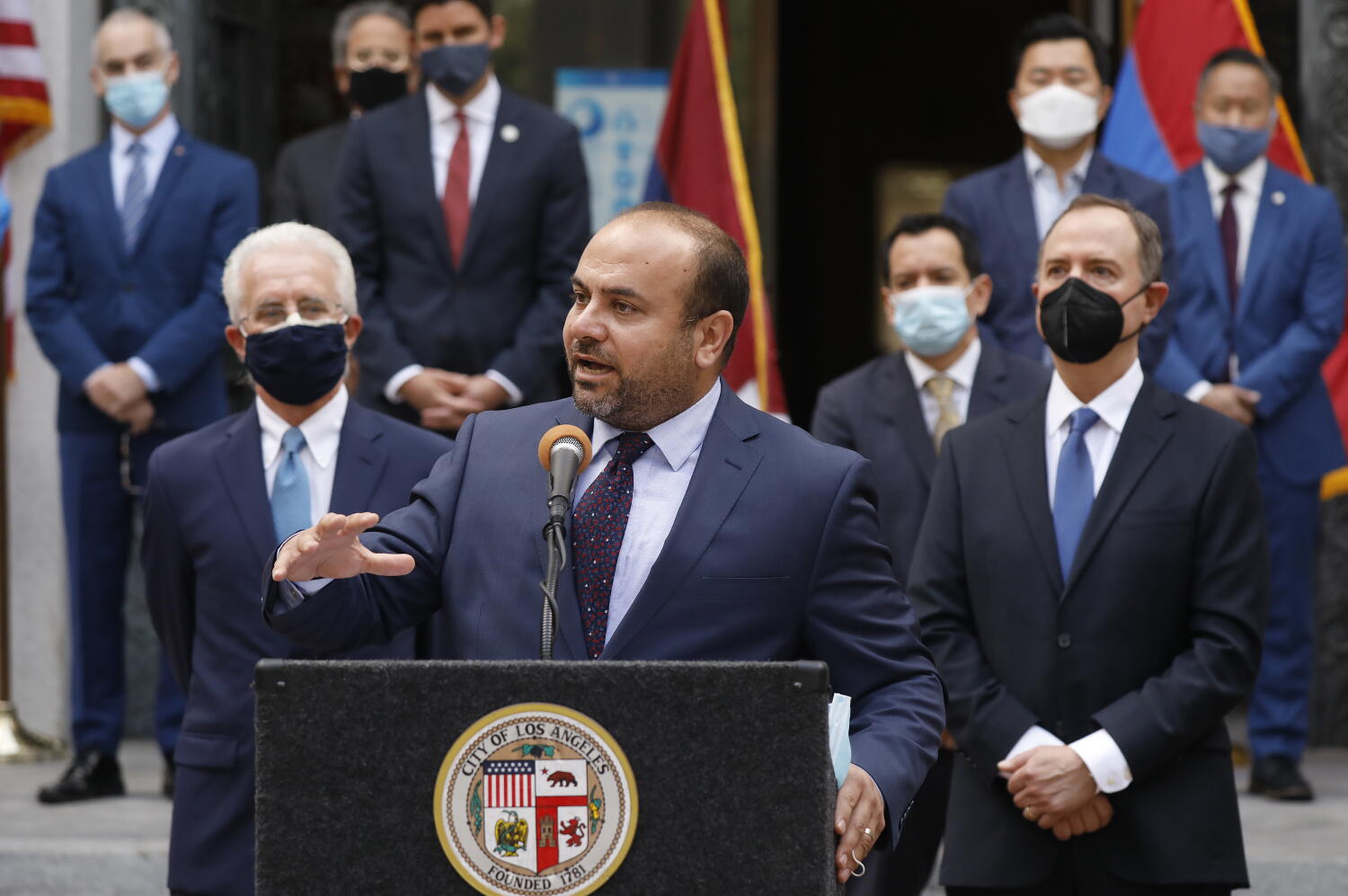
Getting a permit to shoot a ten-minute indie scene in Los Angeles used to feel like funding a small municipal road project. You'd spend days tracking down signatures, burn thousands of dollars before calling action, and watch your production budget evaporate into city red tape. Now, the L.A. City Council is finally pushing back against runaway production by waving standard fees for micro-shoots and dropping city parking lot rates to a single dollar a day.
It's a blunt admission that Hollywood's hometown is bleeding work.
For years, independent filmmakers, commercial directors, and digital creators have packed their gear and fled to Atlanta, Vancouver, Austin, or overseas. Why stay in Southern California when red tape strangles low-budget shoots before the camera even rolls? By targeting micro-shoots specifically, city officials are trying to stop the hemorrhaging at the grassroots level, where new directors and smaller commercial crews actually build their careers.
Why Los Angeles Filming Numbers Hit a Wall
Local production didn't just slow down after the dual Hollywood strikes. It stalled out. According to quarterly tracking reports from FilmLA, the nonprofit organization that coordinates filming permits for the city and county, on-location shoot days across Greater Los Angeles have struggled to rebound to pre-pandemic baselines. Even big-budget studio features and scripted television series have migrated to states and countries offering aggressive tax credits and lower baseline labor costs.
When tentpole projects leave, the entire local ecosystem takes a bruising. Grip houses sit empty. Catering trucks lose bookings. Independent producers—who already operate on razor-thin margins—get priced out of their own backyard because the city's permitting infrastructure was historically built around massive studio budgets.
If you've ever tried to pull a standard permit through FilmLA for a skeleton crew, you know the pain. A basic permit application alone runs hundreds of dollars, and that's before you factor in mandatory spot-check fees, street closure costs, fire safety officers, or parking meters. For a major studio spending $200,000 a day, a $1,500 permit fee is a rounding error. For a creator shooting a proof-of-concept short or a branded social campaign with five people and a mirrorless camera, that same fee kills the project outright.
So people started shooting guerilla-style. They stole shots on sidewalks without insurance, dodged parking enforcement, and prayed nobody called the cops. City officials realized they weren't protecting neighborhoods with high fees—they were just driving small crews underground or out of state entirely.
How the New Micro-Shoot Rules Actually Work
The City Council's move strips away the biggest financial friction points for small-scale productions. Instead of treating a four-person documentary crew like a Michael Bay action unit, the city is carving out a distinct lane for micro-shoots.
Under the approved measures, qualifying low-impact productions get free filming permits alongside $1-a-day parking in city-operated lots and structures. That parking detail sounds minor until you've actually worked a shoot in Downtown L.A., Hollywood, or Venice.
Parking is quietly one of the most expensive line items on an indie call sheet. Paying commercial lot rates for three cargo vans and five crew cars can easily eat $400 to $600 a day. Getting kicked out of metered spots every two hours destroys your shooting schedule. Dropping city lot access to a buck a day removes a massive logistical headache overnight.
What Qualifies as a Micro-Shoot
City Hall isn't handing out free passes to block off Hollywood Boulevard for a car chase. To qualify for the fee waivers and dollar parking, a production has to keep its footprint genuinely small. While exact operational thresholds depend on specific location impact, micro-shoots are built around tight parameters:
- Small cast and crew counts, generally capped well below standard commercial or television units so sidewalks and streets aren't congested.
- Minimal equipment footprints, meaning handheld rigs, tripods, and battery-powered lighting rather than massive condor cranes, diesel generators, or heavy dolly tracks.
- No major traffic disruptions, keeping crews off busy arterial roadways that require dedicated LAPD traffic control officers.
- Use of city-owned properties and lots rather than high-demand private landmarks that require complex neighborhood canvassing.
You still have to follow the rules. You still need general liability insurance, and you still have to submit your paperwork through official channels so the city knows where you are. Skipping the permit process entirely remains a fast way to get shut down by local enforcement. The difference now is that playing by the rules won't bankrupt your production before lunch.
The Hidden Costs That Still Catch Producers Off Guard
Don't mistake a free permit for a completely free shoot. Even with the City Council's fee waivers in place, veteran line producers know that municipal red tape has plenty of sharp edges.
First, city permits only cover city jurisdiction. Greater Los Angeles is a patchwork quilt of independent municipalities. If your location scout picks a diner in Burbank, a park in Pasadena, or a beach boardwalk in Santa Monica, L.A. City Council's $1 parking deal doesn't apply. Each of those cities runs its own film office with its own fee schedules and police requirements.
Second, specialized safety personnel still cost real money. If your script calls for open flames, atmospheric haze inside a historic building, or stunts near a public walkway, the Los Angeles Fire Department will assign a Fire Safety Officer to your set. Those hourly rates aren't waived just because your crew is small.
Third, neighborhood notifications still matter. Even on a micro-shoot, parking three vans on a residential block in Silver Lake or Echo Park will irritate neighbors if you don't communicate. A single angry phone call to a council member's office can bring a FilmLA monitor straight to your set. Smart producers still print basic courtesy notices and hand them out a couple of days ahead of time, even when the city doesn't strictly mandate a formal signature survey.
Why Bigger Studios Are Watching This Closely
It's easy to dismiss micro-shoot incentives as a handout for YouTubers and film school grads. That misses the bigger economic picture.
Los Angeles built its entertainment dominance on density. When thousands of small shoots happen every month, local rental houses stay profitable enough to keep specialized lenses and lighting packages in stock. Post-production houses, colorists, sound mixers, and freelance production assistants stay employed between major studio gigs.
When the bottom falls out of the indie and commercial market, that talent pool dries up. Experienced gaffers leave the industry or move to Georgia. Prop houses liquidate their inventory. By the time a major studio decides it wants to shoot a prestige drama in Los Angeles again, the infrastructure they rely on has vanished.
California's broader state-level Film and Television Tax Credit Program handles the multi-million-dollar studio productions, offering hundreds of millions in annual incentives to keep big features and network shows from bolting. Until now, though, nobody at the municipal level had built an effective on-ramp for the smaller projects that feed that talent pipeline. Waving baseline permit fees and offering $1 parking finally connects the bottom of the ladder to the top.
Mistakes Indie Filmmakers Make With City Permits
Even when the city makes things easier, first-time producers regularly shoot themselves in the foot during the permitting process. If you're planning to take advantage of these reduced costs, avoid the classic traps that delay approvals.
Waiting until the last minute. Free permits don't mean instant permits. FilmLA coordinators still have to review your application, verify your insurance certificates, and check for conflicting city events or road construction. Submitting your paperwork 24 hours before your shoot is a guaranteed way to get rejected. Give yourself at least four to five business days, even for a bare-bones crew.
Lying about your gear list. Some producers try to squeeze a mid-sized commercial shoot into a micro-shoot application by leaving half their grip truck off the manifest. Don't do it. If a city monitor shows up and sees five C-stands blocking a crosswalk and a generator humming on the curb when your permit says "handheld camera only," your shoot gets pulled immediately. Be honest about what you're bringing.
Forgetting certificate endorsements. Having general liability insurance isn't enough. Your insurance broker has to issue specific additional insured endorsements naming the City of Los Angeles and FilmLA, matching exact wording requirements. Double-check those certificates a week before your shoot date so you aren't scrambling on a Friday afternoon.
Putting the New L.A. Filming Rules to Work
If you have a short film, commercial spec, music video, or digital series sitting on a hard drive waiting for a realistic budget, stop waiting for a miracle investor. Pull your location list together right now and map out which spots sit inside official Los Angeles city limits.
Reach out to a production insurance broker who specializes in short-term indie policies—many offer weekend or multi-day micro-budget coverage for a few hundred dollars—and get your general liability paperwork ready before you even log into the FilmLA portal. Keep your crew tight, strip your gear down to what fits cleanly inside a couple of vans, and lock in those $1 city lot reservations early. The city finally removed the biggest financial excuses for not shooting in L.A., so get your application submitted and start rolling.