Diplomacy is often imagined as a marble hall echoing with quiet whispers and clinking crystal. We picture men in charcoal suits shaking hands under chandeliers, sealing fates with the stroke of a fountain pen. But on the ground, where statecraft meets concrete and barbed wire, diplomacy looks entirely different. It looks like a heavy wooden door. It looks like a brass plaque bearing a nation's coat of arms. It looks like a sanctuary of last resort for a traveler who has lost their passport, a journalist caught in crossfire, or a citizen quietly seeking a lifeline when the world outside catches fire.
Consider what happens when that door slams shut.
Reports have surfaced that London is weighing a seismic countermeasure. If the Israeli government moves forward with shuttering the British consulate in Jerusalem—a historic diplomatic outpost with roots stretching back deep into the turbulent history of the region—the United Kingdom may retaliate by expelling Israeli diplomats from British soil.
It is a chilling escalation. Behind the cold bureaucratic language of diplomatic notes and mutual expulsions lies a very human fracturing. A Consulate-General is not merely an office building. It is an anchor. For decades, the British diplomatic presence in East Jerusalem has served as an independent conduit, a listening post, and a bridge. To sever that connection is to declare that the bridges are no longer worth maintaining.
To understand why this matters, you have to step away from the capitals and into the narrow, stone-paved alleys where history is a daily weight.
I remember standing near the old municipal lines years ago, watching the quiet choreography of the city. The tension in Jerusalem is a physical thing. It sits in the dust on the olive leaves; it hums in the static of military radios; it breathes in the spaces between strangers passing on the street. In an environment where official trust is rarer than water in the desert, diplomatic missions function as neutral pressure valves. They are places where administrative realities are managed independently of the shifting political storms overhead.
When rumors of closures start swirling, they are never just rumors. They are tremors before an earthquake.
The immediate catalyst behind this brewing crisis is a dispute over sovereignty, security, and administrative reach. For months, friction has mounted between the Israeli authorities and foreign missions operating across the fractured landscape of Jerusalem. The status of the city remains one of the most fiercely contested questions on earth. Every flag raised, every visa stamp issued, and every diplomatic dispatch sent carries symbolic weight that echoes far beyond the diplomatic pouch.
When a government threatens to close a consulate, it is asserting total dominion. It is drawing a hard line in the sand, saying that dual representations and nuanced jurisdictional compromises are relics of the past.
And when London responds by signaling that Israeli envoys could be shown the door in Whitehall, the retaliation reveals the fragile ego of international relations. It is a game of high-stakes diplomatic chicken. One side tests the boundaries of physical control on the ground; the other threatens economic and political isolation from afar.
Yet, the people caught in the middle are never the ones sitting around the mahogany tables.
Think about the local staff who wake up every morning to brew coffee in those consular kitchens, translating letters, managing local grievances, and keeping the machinery of everyday diplomacy running. Think about the dual nationals, the aid workers, and the ordinary families whose legal and personal safety depends on the uninterrupted functioning of these embassies. For them, a diplomatic expulsion is not a headline in the evening paper. It is an immediate disruption of their security, a sudden widening of the gulf between nations.
We have seen this script before. History is littered with tit-for-tat expulsions that begin with a minor bureaucratic dispute and spiral into a deep diplomatic freeze. Ambassadors are summoned, notes are handed over with severe expressions, and flights are booked. Doors are locked from the inside.
Each time a door closes, the world gets a little bit darker.
Diplomacy requires proximity. It requires the uncomfortable intimacy of sitting across a table from someone whose government you fundamentally disagree with. The moment you pull your diplomats home, you surrender the ability to influence, to persuade, or to de-escalate. You trade dialogue for distance. And distance breeds miscalculation.
If Britain carries out its threat, the expulsion of Israeli diplomats will not solve the underlying dispute over the Jerusalem consulate. It will not rewrite the borders, nor will it quiet the guns. It will simply add another layer of ice to an already freezing diplomatic winter. It will signal to the world that even among historic allies, pride and sovereignty now outweigh the slow, grinding work of keeping channels open.
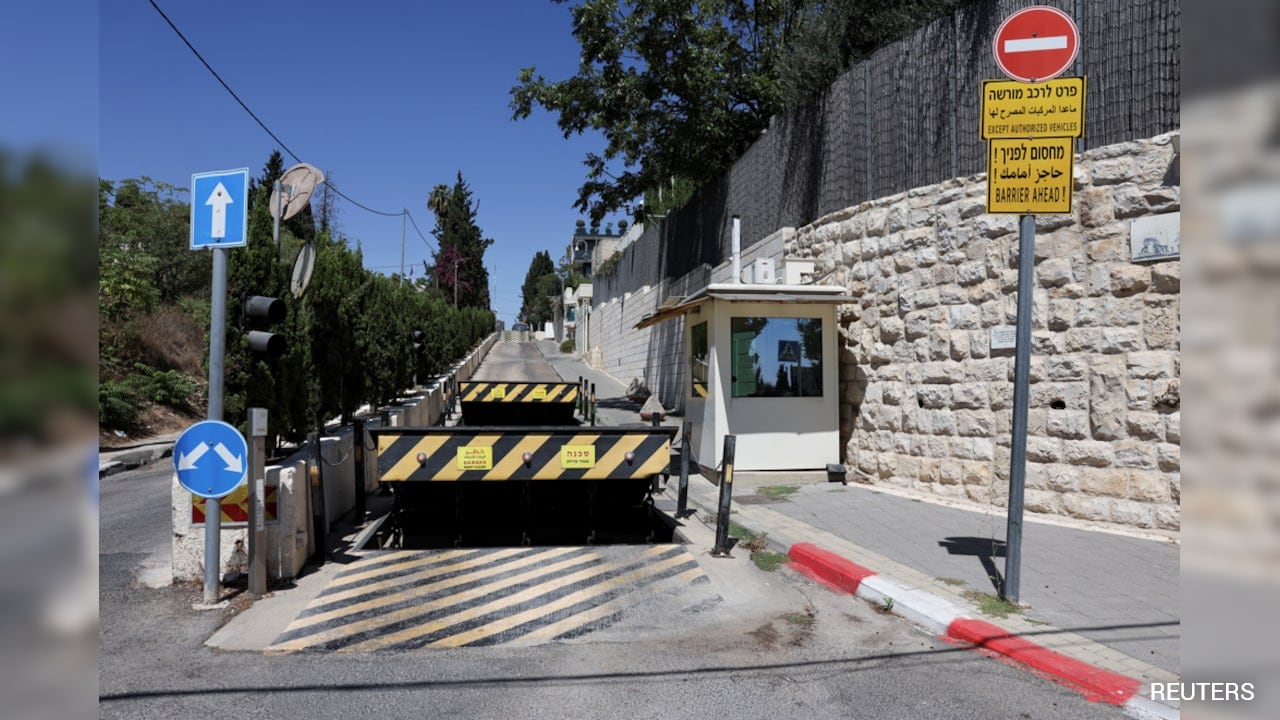
The sun is setting over the limestone walls of the Old City, casting long, bruised shadows across the hills. Somewhere down there, behind heavy gates and security cameras, a light is burning in an office that may soon go dark. The paperwork on the desk remains unfinished. The phone keeps ringing. And outside, the city waits, holding its breath to see which wall will fall next.