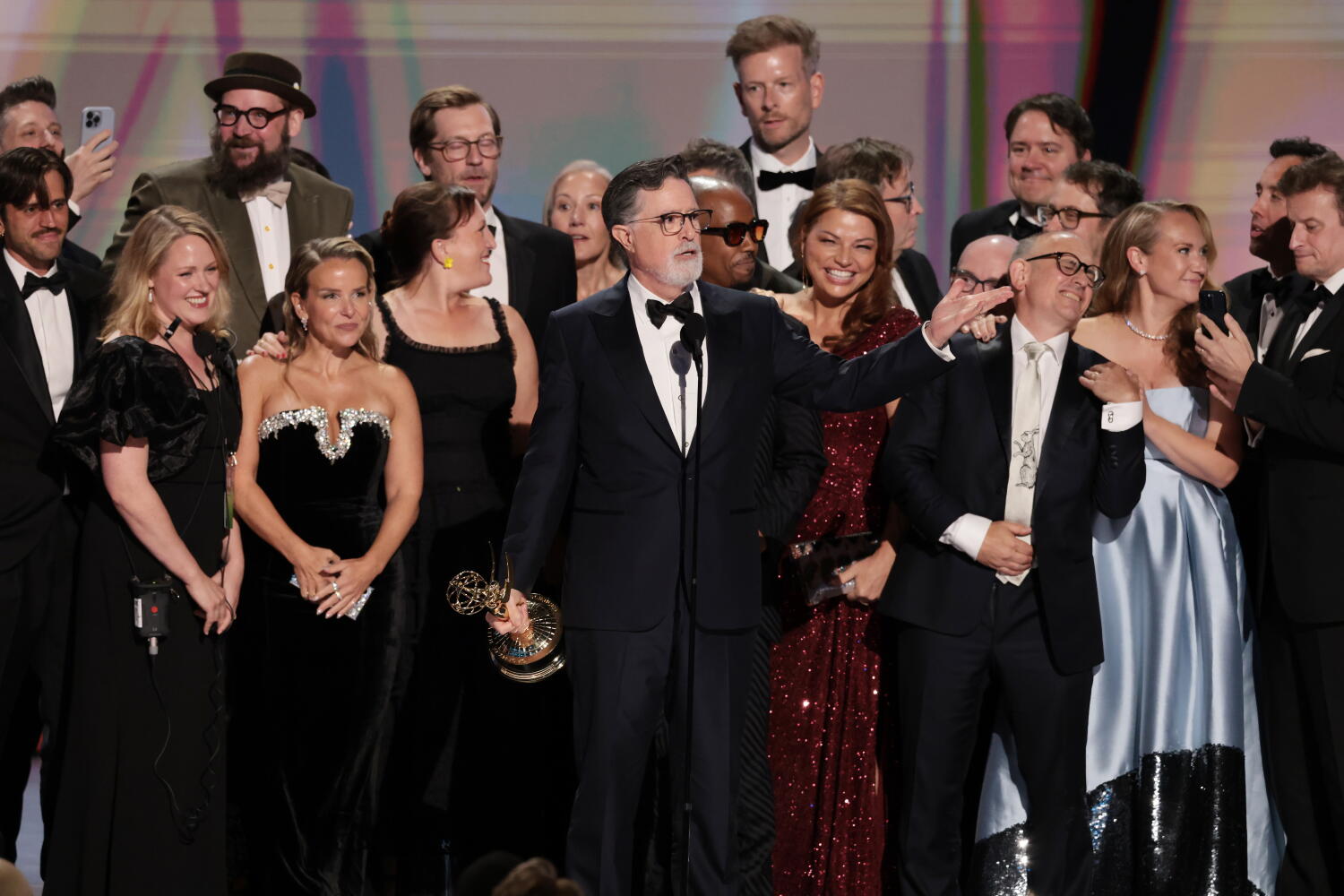
Late night television looks completely different than it did a decade ago. Streaming habits shifted, linear viewing dropped, and viewers scattered across platforms. Yet, certain institutions refuse to fade away. When The Late Show With Stephen Colbert claims yet another Emmy win in the variety series category, it isn't just about a shiny statue on a shelf. It proves that appointment viewing still survives if a show adapts to how people actually consume media.
If you've watched late night evolve over the past few years, you know the graveyard is packed with shows that failed to adjust. Traditional monologues fighting for attention on YouTube clips face fierce competition from creators on TikTok and independent podcasts. Colbert and his team carved out a specific space. They combined sharp political commentary with intimate, unscripted moments that resonate far beyond a standard television broadcast.
How Late Night Television Won the Emmy Race Again
The Emmys often reward longevity, but the variety series category brings fierce competition. Shows like The Daily Show, Jimmy Kimmel Live!, and various streaming specials battle for the same voters. Colbert's win highlights a consistent formula that keeps audiences hooked night after night.
Look closely at what makes the production tick. It's not just the topical humor about Washington politics or breaking news cycles. It's the rhythm of the broadcast. Colbert manages to balance high-stakes political urgency with genuine levity. Writers craft opening segments that often go viral within minutes of airing, while producers curate guest lineups that pull in diverse demographics.
Industry veterans point to the stability behind the scenes as a primary driver. While other networks constantly shuffle hosts or tinker with formats, CBS kept a steady hand on the wheel. That consistency builds trust with the Television Academy voters and the viewing public. When viewers know what to expect, but still get surprised by a brilliant musical number or an unexpectedly raw interview, loyalty follows.
The Shift From Broadcast to Digital Dominance
Winning top television honors today requires more than scoring high Nielsen ratings on a Tuesday night. The modern Emmy voter looks at cultural footprint. How many millions watched the monologue online the next morning? Did a specific interview spark a national conversation?
Colbert mastered this ecosystem. The show treats digital platforms as primary stages, not just dumping grounds for TV scraps. Extended interviews, web-exclusive segments, and quick social edits allow the brand to live in your pocket all day long. That multi-platform strategy feeds directly back into the traditional broadcast metrics, creating a flywheel effect that other networks struggle to replicate.
Think about the way media gets discussed online. A traditional broadcast goes out to millions, but the digital echo chamber amplifies the best moments across global feeds. By optimizing pacing and tone for short attention spans without losing the depth of a long-form chat, the production bridges two entirely different media eras.
What Other Networks Can Learn From Colbert's Success
Every major network executive is currently studying this playbook. Copying the formula directly rarely works because success relies heavily on the specific host's voice. Colbert brings a unique background from The Colbert Report and theater, blending satirical sharpness with genuine curiosity. You can't fake that range.
However, production teams can copy the structural discipline.
- Prioritize authentic reactions over rehearsed talking points.
- Build flexible segments that can pivot if the news cycle shifts dramatically hours before airtime.
- Invest in strong house bands and musical partnerships that elevate the energy in the room.
The landscape keeps shifting, and streaming services will continue to throw massive budgets at unscripted and variety formats. Staying relevant requires constant reinvention. This latest Emmy win proves that sharp writing, cultural relevance, and a clear point of view still beat out high-tech gimmicks every single time.