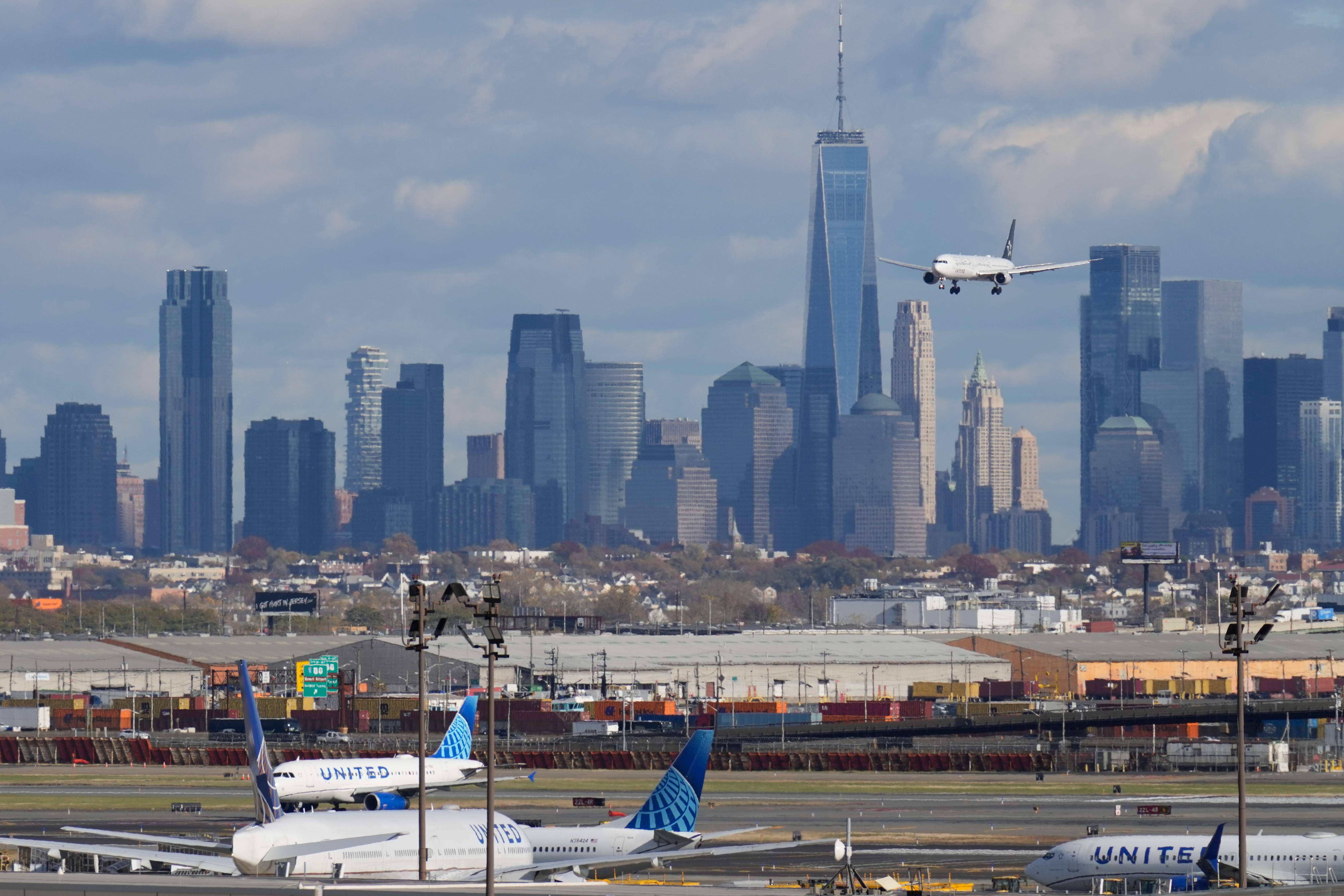
Planes froze on runways from Boston to Washington DC. Tens of thousands of passengers watched their weekend plans evaporate in real time. Another major FAA communications failure brought American commercial aviation to a screeching halt, forcing a nationwide ground stop that paralyzed the eastern corridor and beyond. It was chaotic. It was frustrating. Worst of all, it was entirely predictable.
When the Federal Aviation Administration slammed the brakes on departures, the ripple effect hit every major hub within minutes. Airports like Newark Liberty, Philadelphia, and JFK turned into parking lots. Aircraft lingered on tarmacs for hours. Passengers sat trapped inside metal tubes, staring at blank screens and waiting for answers that airport staff simply didn't have.
This wasn't just another routine weather delay. It was a stark reminder that the invisible machinery keeping millions of travelers safe every single day is hanging on by a thread.
Inside the Air Traffic Control Breakdown
The crisis triggered immediately after 4 p.m. Eastern Time. Air route traffic control centers across the country lost vital communication capabilities. Pilots couldn't talk to ground controllers reliably. Controllers lost clear channels to manage en-route aircraft safely.
Transportation Secretary Sean Duffy stepped up to explain the mess, noting that the communication issue struck all twenty-two regional air route traffic control centers. For safety reasons, the agency chose the most drastic option available. They grounded everything.
You don't take a step like that lightly. Aviation authorities rarely order nationwide ground stops. In fact, this marked only the second time since the September 11 terrorist attacks that the entire United States airspace was locked down voluntarily. The last time a system failure forced a comparable nationwide shutdown was back in January 2023, when a corrupted database file knocked out the system alerting pilots to flight hazards.
This time, the culprit was a deep-seated telecommunications network failure. It exposed how fragile the nation's air navigation architecture truly is.
Why Outdated Infrastructure Keeps Threatening the Skies
Most travelers assume that commercial aviation runs on state-of-the-art quantum technology. The reality is far less glamorous. Air traffic control networks rely on legacy systems, ancient copper wiring, and infrastructure that dates back decades.
Portions of the system still depend on technology that looks straight out of the 19
Why FAA Communication Failures Keep Grounding US Flights
travel
Planes sat motionless on tarmacs across the American northeast while millions of passengers stared at departure boards displaying endless delays. Another massive FAA communication failure had struck the national airspace system.
If you travel frequently, you already know the sinking feeling. You get to the gate, sip an overpriced coffee, and watch the departure time slip by another hour. Then another. Eventually, an automated voice announces a ground stop. You are stuck.
We rely on a staggering amount of invisible infrastructure every time we fly. Most people assume air traffic control runs on futuristic, unbreakable technology. It doesn't. Much of the backbone relies on aging systems that date back decades, patched together with software updates and prayer. When a core communication link breaks, the entire network shudders to a halt. Safety protocols dictate that if controllers lose their data feeds, planes stay on the ground. Period. There is no guessing game at thirty thousand feet.
The Fragile Reality of Modern Air Traffic Control
Air travel feels routine until it completely shatters. On days when an FAA communication failure ripples through regional centers like New York, Boston, or Washington D.C., thousands of flights freeze instantly.
Why does a single tech glitch shut down an entire coast? The Notice to Air Missions system, or NOTAM, is a prime example. Pilots need real-time safety data before takeoff. Closed runways, military operations, temporary flight restrictions—all of it flows through a digital pipeline. When that pipeline chokes, airplanes cannot legally leave the gate.
Airlines will blame the government. The agency will point to software glitches or telecom hiccups. Meanwhile, you are sleeping on an airport floor or scrambling to rebook a connection that evaporated hours ago.
What Actually Happens Behind the Scenes
When communication fails between control towers and regional centers, a cascade effect begins.
Air traffic controllers lose their primary radar feeds or flight plan messaging queues. To prevent mid-air collisions, the Federal Aviation Administration imposes immediate ground stops. Flights already airborne continue safely to their destinations because pilots and local towers can communicate via VHF radio. However, new departures halt entirely.
This creates a massive backlog. Once the glitch is patched, the system cannot instantly absorb hundreds of queued aircraft. Air traffic flow management steps in, spacing out departures like water dripping through a narrow funnel. A thirty-minute tech outage easily turns into an eight-hour travel nightmare because of downstream displacement. Crew members time out, planes end up at the wrong gates, and schedules shred themselves.
How to Protect Your Itinerary When the FAA Stumbles
You cannot fix the nation's air traffic control infrastructure by yourself. You can, however, stop letting it ruin your trips.
Stop booking the last flight of the day. If a morning communication glitch ripples through the network, by evening you face a wall of canceled flights with zero remaining seats. Early departures give you a buffer to absorb delays and still reach your destination on the same calendar day.
Download your airline's mobile app before you leave home. Do not wait in line at the customer service desk behind two hundred angry travelers. Tap your phone to rebook yourself onto an alternate flight while everyone else is arguing with gate agents.
Know your rights under Department of Transportation rules. When a major carrier-caused cancellation or massive delay happens, you are entitled to a cash refund if you choose not to travel. Do not let airlines bully you into accepting travel vouchers that expire in a year.
Keep an eye on aviation news feeds before heading to the airport. If you see headlines about regional ground stops or major technical outages, check your flight status immediately. Sometimes you can delay your trip to the airport before getting trapped in security lines.
Fixing the Infrastructure Problem for Good
Congress has tried for years to modernize the airspace. Billions flow into federal budgets, yet legacy code and outdated hardware remain embedded in daily operations. Upgrading a system that handles thousands of commercial flights simultaneously without turning it off is nearly impossible.
Until real structural modernization happens, expect these sudden disruptions to repeat. The sky is busier than ever, and the digital ropes holding it together are frayed.
Check your routes, build extra time into tight schedules, and keep your phone charged. When the system breaks, self-reliance is your best terminal amenity.