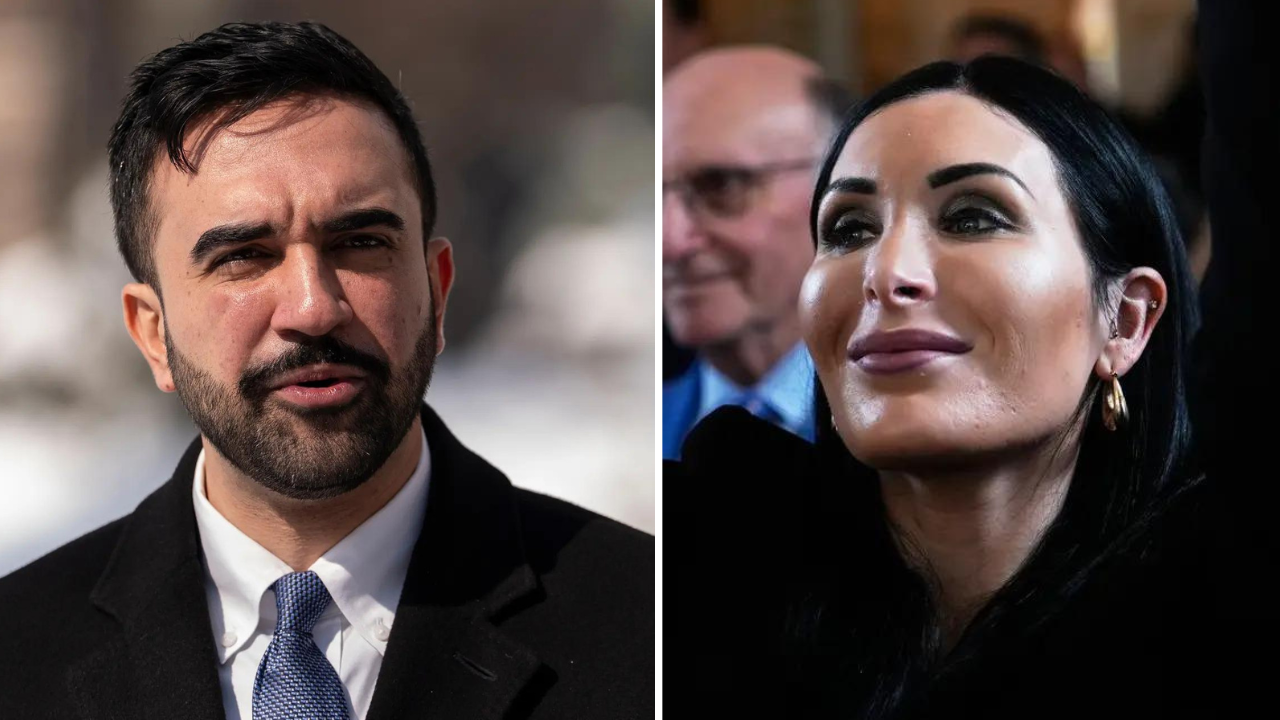
Far-right political activist Laura Loomer launched a bitter tirade against New York City Mayor Zohran Mamdani, demanding a complete ban on Muslims holding public office in America and labeling the newly elected leader a national security risk.
The firestorm erupted after Mamdani publicly criticized Israeli Prime Minister Benjamin Netanyahu, calling him a war criminal and insisting he isn't welcome in New York City. Loomer responded on X with an explicit call to bar Muslims from elected positions and reinstate a federal Muslim ban. She claimed without evidence that allowing Muslims into public office leads to terror sympathizers governing major cities. She also asserted that senior FBI sources confirmed Mamdani would never receive security clearance.
This escalation isn't an isolated incident. It highlights a sharp turn in modern political attacks where faith, constitutional rights, and national security claims clash in front of millions online.
What Constitutional Law Says About Religious Tests for Public Office
The U.S. Constitution leaves zero ambiguity on whether a politician can ban members of any faith from holding office.
Article VI, Clause 3 states explicitly that no religious test shall ever be required as a qualification to any office or public trust under the United States. That's a foundational constitutional principle. The First Amendment reinforces this by protecting the free exercise of religion and prohibiting the government from establishing or favoring any faith.
Loomer's demands ignore two centuries of legal precedent. American courts have repeatedly struck down efforts to restrict civil rights or public service based on religious identity.
- The Constitution explicitly forbids religious requirements for elected representatives.
- Courts protect political speech even when it aggressively challenges foreign leaders or international policies.
- Legal scholars agree that barring public officials based on faith violates core civil rights laws.
The Friction Between Local Governance and Foreign Policy Debates
Why did a city mayor become the center of a national security debate?
Zohran Mamdani made international headlines by taking hardline stances on global conflicts. He urged U.S. federal authorities to enforce International Criminal Court warrants and spoke out forcefully on humanitarian crises abroad. For his supporters, he's using his platform to reflect the values of a diverse electorate. For his critics, broad foreign policy statements by local mayors go well beyond local municipal governance and invite intense national pushback.
Mayor Mamdani's rhetoric sparked immediate counter-attacks from right-wing figures. Activists seized on his progressive positions to challenge his loyalty to American security interests. While municipal leaders routinely voice opinions on national topics, framing a mayor's foreign policy view as an immediate security threat marks a high-stakes escalation.
How Unverified Sources Drive Political Headlines
Loomer claimed an unnamed senior FBI source told her that leadership considers Mamdani a national security threat. She alleged the agency denied him security clearance and suspected direct communication with prohibited organizations.
Federal law enforcement agencies almost never confirm or comment on background checks or security clearances for municipal leaders. Without official confirmation or documentation, such claims remain unverified social media assertions.
When unverified leaks hit social media, they spread fast. They shape public perception before official agencies can clarify the facts. This dynamic forces public officials to constantly defend their legitimacy while managing daily city business.
Understanding the Growing Polarization in American Elections
The feud between Loomer and Mamdani points to a broader trend shaping elections nationwide. Rhetoric is getting harsher, and public figures regularly use extreme statements to rally their bases.
Islamophobic attacks against Muslim political candidates aren't new, but the scale and reach of social media amplifies them faster than ever. Candidates on all sides face intense personal scrutiny. Rather than debating public transit, housing, or city budgets, public attention frequently pivots toward national identity, faith, and global conflicts.
Understanding these political clashes requires separating constitutional reality from internet outrage. While online commentary moves rapidly, the legal safeguards surrounding elected office in the U.S. remain firm.
To stay informed about political developments and constitutional protections:
- Read official court rulings and constitutional texts directly rather than relying on social media commentary.
- Fact-check claims regarding security clearances and agency investigations through primary government reports.
- Monitor how local policy decisions impact your community rather than focusing strictly on national political rhetoric.