Criminal conspiracies rarely end with a clean getaway. Most of the time, they collapse under the weight of panic, poor planning, and sheer panic when things go sideways. People think crime is calculated. It isn't. It is messy, chaotic, and frequently fatal for the people committing it. When a group of individuals bands together to commit a felony, every single participant assumes a terrifying level of risk. They just don't realize it until the handcuffs click or someone doesn't walk out of the building.
Consider what happened in a quiet commercial pocket of Scarborough on a summer night. It is a stark reminder of how quickly an amateur arson scheme can morph into a homicide investigation. When the smoke cleared, one perpetrator was dead inside a burning restaurant, and the surviving partners were left facing severe prison sentences.
When a Quick Arson Scheme Turns Into a Fatal Trap
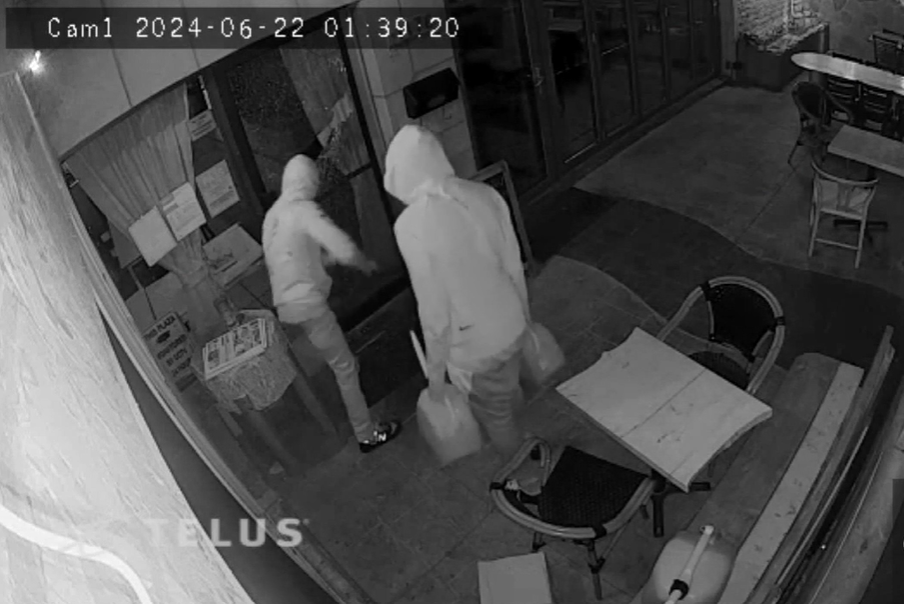
The timeline of events on June 22, 2024, reads like a textbook study in bad decisions. At around 1:35 in the morning, a stolen Acura RDX reversed into a parking lot right next to the Molon Lave Taverna. Inside that vehicle sat 24-year-old Shiloh Norton behind the wheel. Two associates, including a 16-year-old minor, stepped out of the car. They weren't there for a late-night meal. They carried jerry cans filled with gasoline and a heavy club.
The plan was straightforward on paper, which is usually the problem. Break the glass, pour the accelerant, and light the fire. O'Brien Todd smashed the glass door of the restaurant with the club, and both he and the teenage accomplice climbed through the broken storefront. What happened next turned vandalism into a lethal disaster. The fire ignited rapidly, trapping Todd inside. He couldn't make it out.
Instead of organizing a rescue or calling for help, the teenager panicked, sprinted back to the waiting Acura, and jumped inside. Norton hit the gas and drove away, leaving their associate behind to suffocate in the toxic smoke. A security company employee responding to the initial broken-glass alert arrived to find an active, dangerous structure fire and immediately dialed 911. By the time emergency crews addressed the blaze, Todd was already dead from smoke inhalation.
The Legal Reality of Felony Murder and Manslaughter Charges
People often misunderstand how criminal liability works when someone dies during the commission of a crime. You don't have to strike the fatal blow to be guilty of manslaughter. If you set a dangerous chain of events in motion, the law holds you accountable for the tragic outcomes that follow.
Shiloh Norton recently stood before the court and pleaded guilty to manslaughter and arson. It is an admission that carries immense weight. By participating in a joint criminal enterprise to burn down a building, Norton legally assumed responsibility for the foreseeable risk of death. When you drive getaway cars to arson sites, you aren't just an accessory. You are an engine of the crime.
The court records revealed that Norton was already bound by legal restrictions at the time of the incident. He was under a release order and a probation order requiring him to keep the peace and be of good behavior. Violating those conditions while orchestrating an illegal fire guarantees that judges will throw the book at you. Sympathy evaporates the moment you choose to abandon a dying partner in a burning building and flee the jurisdiction via an Uber.
Why Getaway Drivers Carry the Same Heavy Burden
There is a persistent myth that the person behind the wheel gets off lighter because they didn't touch the matches. Reality disagrees violently. Norton stayed in the driver's seat of that stolen Acura RDX while Todd and the teenager went inside. He waited for them. He drove them away from the scene. He helped them attempt an escape by ditching the vehicle near Keele Street and Eglinton Avenue West before catching an Uber home.
That active participation seals your fate in a courtroom. You can't wash your hands of a homicide just because your shoes didn't get dirty with gasoline. The law looks at the collective intent of the group. If the group agrees to commit a dangerous, violent felony like arson, every single member shares the blame when someone dies. Norton's guilty plea reflects the overwhelming strength of the evidence against him, from surveillance footage to electronic tracking of their getaway route.
The Role of Minors and Joint Ventures in Crime
Adult criminals often make the catastrophic mistake of involving minors, believing that youth courts offer some sort of magical shield against serious accountability. The reality is much harsher. The 16-year-old co-conspirator who carried the gasoline cans into the Molon Lave Taverna didn't walk away scot-free. The teenager suffered severe wrist injuries and burns during the botched arson attempt before fleeing the inferno.
Facing serious charges in youth court, the underage accomplice learned a brutal lesson about street loyalty. When a building goes up in flames faster than anticipated, survival instincts take over. The teenager ran for the car, leaving Todd behind to die. Criminal partnerships forged in malice dissolve the second things get hot. Trust doesn't exist among co-conspirators. The moment the police close in, everyone looks out for themselves.
Understanding Criminal Responsibility Beyond the Actual Killer
When evaluating cases like this, prosecutors focus heavily on pre-planning and execution. Arson is inherently life-threatening. Introducing accelerants into a commercial establishment creates an unpredictable hazard that can easily trap occupants, first responders, or the perpetrators themselves.
The tragic irony of O'Brien Todd's death is that he became the primary victim of his own destructive design. Yet, because Norton and the teenager set that lethal chain in motion, the justice system treats Todd's death as a homicide resulting from an unlawful act. Manslaughter charges fit precisely when a dangerous crime results in an unintended fatality. You intended to destroy property, but you caused a life to end. The law does not give you a discount just because the person who died was standing next to you with a jerry can.
If you are ever tempted to think criminal shortcuts pay off, look at the aftermath of that Scarborough parking lot. A stolen car, a burned-out restaurant, a young man dead from smoke inhalation, and surviving participants facing decades of legal ruin. Crime destroys futures with absolute efficiency. Walk away before you become another cautionary tale in the court reports.


