The Distance Between Tehran and a Grocery Shelf
Ink dries slowly on bureaucratic paper in Washington, yet the weight of it crosses continents before the ink has even settled.
Consider a man named Reza, though he could just as easily be a shopkeeper in Isfahan or a mechanic in Shiraz. Every morning, Reza unlocks a heavy steel shutter that groans against the dust of the street. He flips a sign from closed to open. Behind him sit rows of cooking oil, sacks of flour, and imported medicine that grows scarcer by the month. Reza does not read diplomatic cables. He does not parse the dense legal prose of executive orders signed thousands of miles away. He measures foreign policy entirely by the twitch of a digital exchange rate and the quiet, heavy sinking in his stomach when a regular customer asks for a staple item and can no longer afford the price tag.
The United States has widened its economic sanctions once again.
To the drafters in Washington, the policy is written in clinical terminology. Financial restrictions. Compliance measures. Closing loopholes. It is treated as an abstract math problem, a chess move executed on a grand board where pieces are shifted to alter geopolitical gravity. But economic statecraft is never abstract on the receiving end. When sanctions widen, the borders of survival contract.
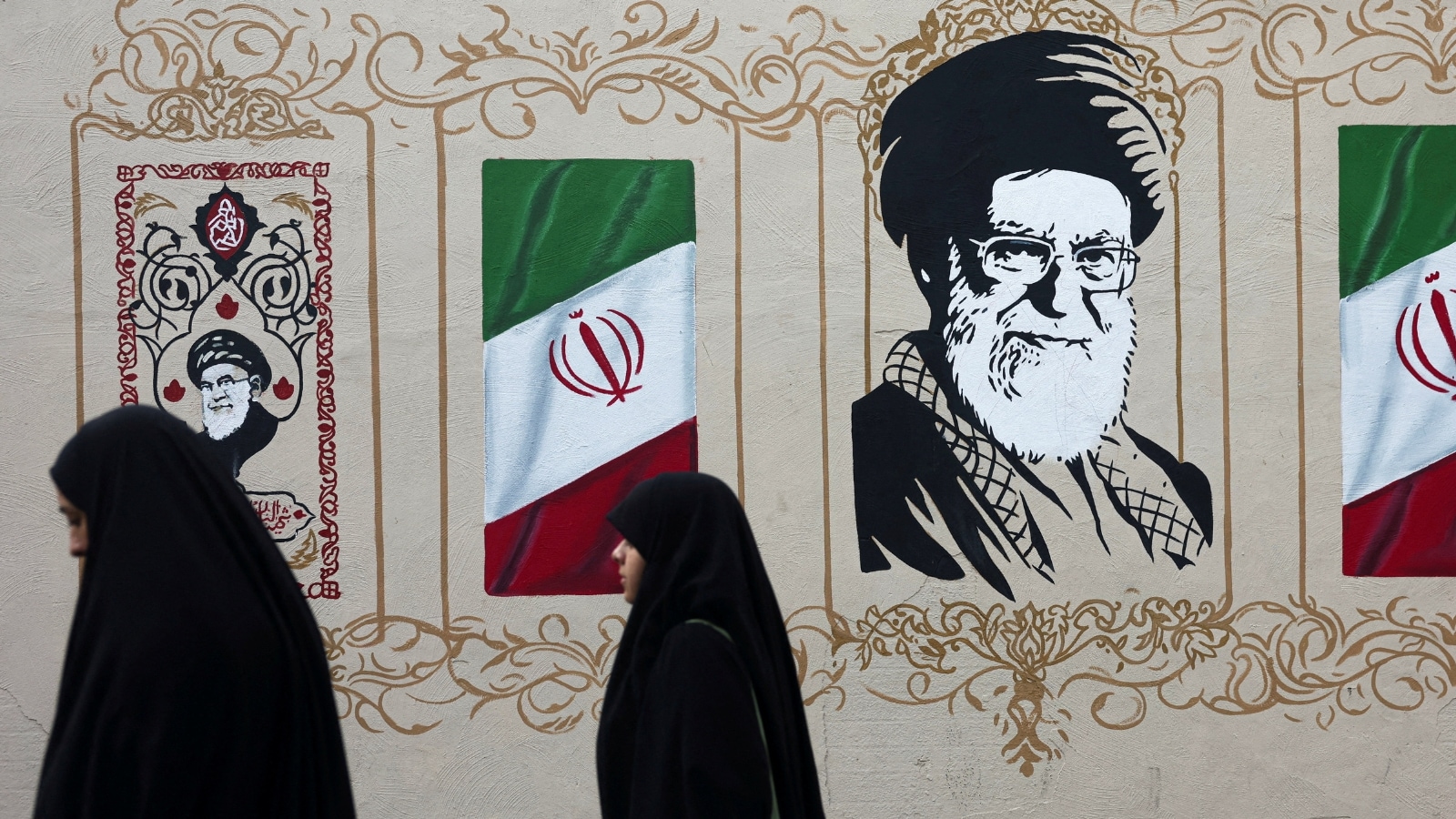
Tehran’s leadership has vowed to retaliate. That vow sounds fierce on evening television broadcasts, delivered with raised fists and stern warnings of consequences. Yet, retaliation from a cornered government rarely looks like a cinematic explosion. Instead, it manifests as asymmetric pressure, cyber skirmishes, regional friction, and a hardening of positions that ensures the ordinary citizen remains trapped inside the machinery of a standoff neither side knows how to dismantle.
We have built a global financial system wired together by thin glass cables under the ocean, yet we treat it like a weaponized moat.
How Paper Decrees Bleed Into Reality
Money is supposed to be a medium of trust. When you strip that trust away through embargoes and blacklists, currency turns into a volatile rumor.
Imagine watching your life’s savings lose half their purchasing power while you sleep. Not because you made a poor investment, but because an office in a distant capital decided that the bank holding your meager retirement account is now cut off from the global plumbing of trade. This is the daily reality for millions who wake up under the shadow of maximum pressure campaigns.
The mechanics of these widening sanctions target the financial arteries that remain. They choke off the secondary and tertiary channels through which a nation procures medical raw materials, industrial machinery, and agricultural goods. Humanitarian exemptions exist on paper, written in careful, defensive legal clauses. In practice, however, they are rendered hollow by what bankers call over-compliance. International lenders look at the staggering fines levied for accidental violations and decide the risk is simply too high. They step back. The medicine stays in the cargo hold. The transaction is rejected.
Power speaks in mandates. People speak in whispers.
When sanctions widen, the illicit economy grows fat. Legitimate traders are forced out of the market, replaced by shadow brokers, smugglers, and well-connected insiders who know how to navigate black markets and inflate prices tenfold. The poor get poorer, squeezed by rising costs and a shrinking state subsidy budget. The elite find workarounds. This is the persistent tragedy of economic warfare: it rarely achieves its maximalist political goals of regime collapse or immediate behavioral surrender, but it reliably punishes the population caught in the crossfire.
The Calculus of Retaliation
Action invites reaction. Newton understood this in physics, and political scientists rediscover it with grim regularity in foreign affairs.
When Tehran vows to retaliate against new U.S. sanctions, the response is rarely symmetrical. Iran cannot match the global reach of the U.S. financial system. It cannot impose equivalent dollar-denominated embargoes. Instead, retaliation becomes asymmetric, darting through the dark corners of regional influence, maritime shipping lanes, and proxy networks. It is a slow burn rather than a sudden flash.
Think of a pressure cooker with a jammed release valve. As the heat is turned up—through tighter financial restrictions, frozen assets, and blocked oil sales—the internal energy has to go somewhere. It rattles the lid. It strains the seams. Every new sanction applied by Washington adds another degree of heat to a container already operating at maximum capacity.
Diplomats call this deterrence. Analysts call this escalation dominance. Reza calls it another week where he has to explain to an elderly woman that her heart medication is double the price it was last month, assuming he can find it at all.
There is a strange, cold symmetry to this dance. Both capitals are locked in a script written decades ago. The script demands defiance from Tehran and demonstration of resolve from Washington. Neither side can afford to blink first, because blinking looks like weakness. And in the high-stakes theater of international relations, weakness is an invitation to be dismantled.
The Invisible Architecture of Isolation
Isolation is not a wall built overnight. It is a mosaic of tiny exclusions.
It is a student unable to pay tuition abroad because wire transfers are blocked. It is a cancer researcher unable to subscribe to international academic journals because credit card processing fails. It is a family business unable to import spare parts for a broken textile loom, forcing them to lay off workers who have spent twenty years on the factory floor.
The modern world was supposed to be seamless, bound together by trade, digital communication, and shared commerce. Yet, entire populations are routinely carved out of this prosperity by stroke-of-pen geopolitics.
When we read headlines about widening sanctions and vows of retaliation, we tend to view them through the lens of sports or strategy. Who is winning? Who is losing? Is the policy working?
Those questions miss the human core entirely. A policy is not working simply because it causes suffering; if that were the metric, cruelty would be synonymous with efficacy. A policy works only if it bends history toward a durable peace. But as the financial noose tightens and the rhetoric of retaliation grows sharper, peace retreats further into the horizon.
Reza closes his shop at dusk. He pulls down the heavy steel shutter, locking it with a rusted padlock. Inside, the shelves are a little emptier than they were yesterday, and the future is a little heavier than it was this morning. Across the ocean, the printers hum, churning out another round of sanctions, another list of blocked entities, another chapter in an endless ledger of broken trust.