Blaming a president for explosive diarrhea is a brilliant way to get clicks. It is also incredibly stupid.
Whenever a spike in Cryptosporidium cases hits the news, the media follows a predictable script. They find a federal budget cut, point a finger at Washington, and scream that the sky is falling. They tell you that a lack of federal funding is the only thing standing between your digestive tract and a microscopic nightmare.
It is a comforting lie. It suggests that if we just elect the right politicians and throw enough money at the Centers for Disease Control and Prevention (CDC), our drinking water will magically become sterile.
The truth is far worse.
I have spent fifteen years auditing municipal water systems and consulting on public health infrastructure. Here is the dirty secret the industry will not tell you: our public health reporting has been broken for half a century, and your local water treatment plant is fundamentally unequipped to kill this parasite. Politics has nothing to do with it. The system is failing because of basic physics, biology, and local cowardice.
The Immortal Oocyst
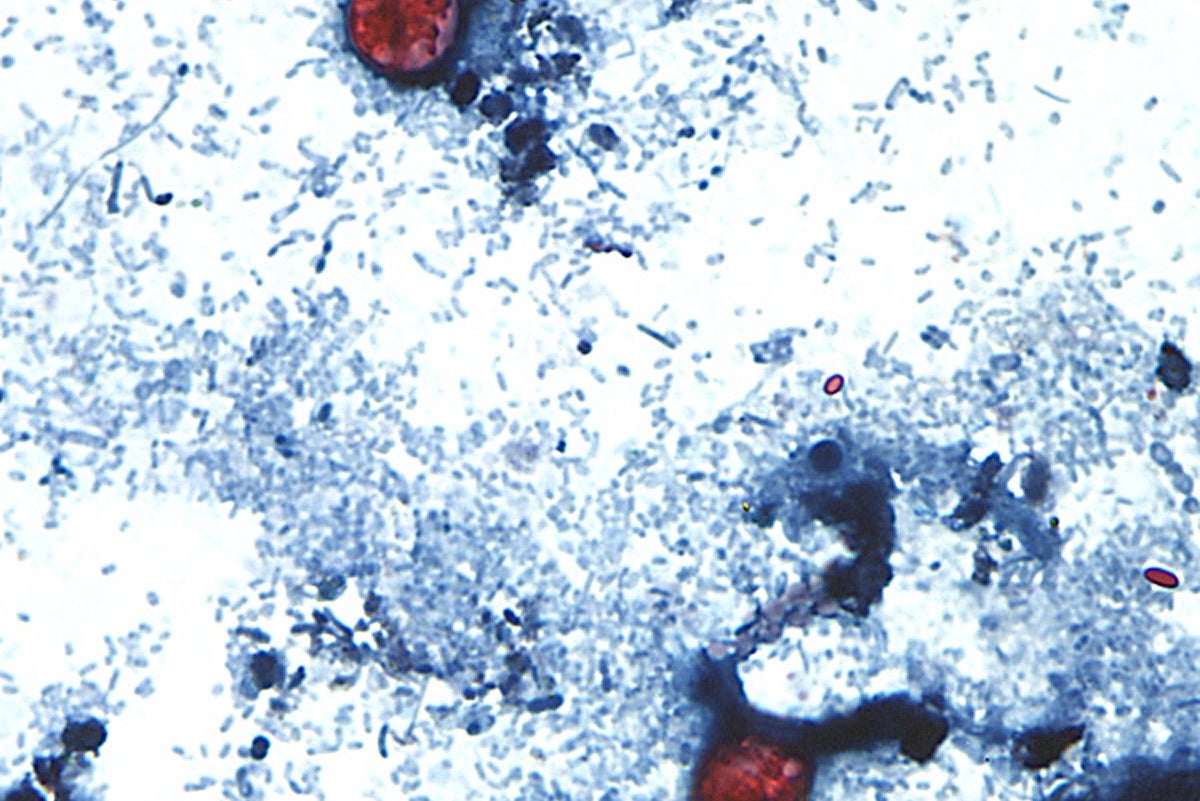
To understand why the political narrative is a farce, you have to understand the pathogen. Cryptosporidium is not your average bacterium. It does not care about chlorine.
Most municipal water treatment facilities rely on chlorine to disinfect water. It works beautifully against pathogens like E. coli or Vibrio cholerae. But Cryptosporidium protects itself by wrapping its infective stage in a thick, protective shell called an oocyst.
This shell is essentially armor.
- Chlorine Tolerance: An oocyst can happily survive in a standard chlorinated swimming pool for over ten days.
- Physical Durability: It resists temperature spikes, pH shifts, and standard chemical oxidants used in municipal plants.
- Size: At three to six micrometers in diameter, it is small enough to slip through aging or poorly maintained sand filters.
If your local water utility relies solely on traditional coagulation, sedimentation, and chlorination, they are playing Russian roulette with your gut. To actually neutralize this parasite, a plant needs advanced treatment: ultraviolet (UV) disinfection, ozone treatment, or membrane microfiltration.
These technologies are expensive. They require massive capital expenditure. When a local water board looks at their budget, they do not see federal policy; they see local taxpayers who will throw a fit if their monthly water bill goes up by ten dollars. So, they patch up the old sand filters, cross their fingers, and pray the raw water intake does not get contaminated by agricultural runoff.
The CDC Surveillance Illusion
The media loves to claim that budget cuts are "hiding" the true scale of the outbreak. This assumes we had an accurate count to begin with.
We never did.
The National Notifiable Diseases Surveillance System (NNDSS) is a administrative disaster. Under the US Constitution, public health is a power reserved to the states. The CDC cannot force a local clinic in Texas or an emergency room in Ohio to report a case of cryptosporidiosis. Reporting is voluntary, fragmented, and slow.
Here is how a real Cryptosporidium case actually plays out:
- The Infection: A patient drinks contaminated water at a local splash pad. Three days later, they develop severe watery diarrhea.
- The Self-Treatment: They do not go to the doctor. They buy over-the-counter anti-diarrheal medication, miss two days of work, and suffer through it.
- The Clinic Visit: If they do go to an urgent care clinic, the doctor rarely orders a specific stool PCR or acid-fast stain test. They write a prescription for hydration, diagnose it as a generic "stomach flu," and send them home.
- The Reporting Failure: On the rare occasion a lab test confirms Cryptosporidium, the clinic must manually log this into a state database. That database may or may not sync cleanly with federal systems.
Epidemiologists estimate that for every laboratory-confirmed case of cryptosporidiosis reported to the CDC, dozens of other cases go completely unrecorded. This undercount is a baseline reality of gastrointestinal medicine, not a conspiracy hatched by the executive branch. To blame a specific administration for this gap is to demonstrate a total ignorance of how clinical medicine operates.
The EPA Standards Myth
Another common talking point is that rolling back federal regulations allows municipal systems to run wild. This ignores how the Environmental Protection Agency (EPA) actually regulates drinking water.
The Long Term 2 Enhanced Surface Water Treatment Rule (LT2 rule) was designed specifically to target Cryptosporidium. It requires public water systems to monitor their source water and apply specific physical removal or inactivation technologies based on the risk level.
But regulations are only as good as the infrastructure implementing them.
[Raw Surface Water] ---> [Conventional Sand Filter] ---> [Chlorine Contact Tank] ---> [Your Tap (Oocysts Intact)]
                                 VS.
[Raw Surface Water] ---> [Membrane Microfiltration] ---> [UV Disinfection] ---> [Your Tap (Safe)]
If a municipality's pipes are eighty years old and leaking, or if their filtration beds are cracked, a thousand pages of federal rule-making will not keep the water clean. We have an infrastructure deficit in the United States that runs into the hundreds of billions of dollars. We are trying to run a twenty-first-century society on a mid-twentieth-century water delivery network.
The Real Culprit: Local Agricultural Influence
If you want to point fingers, stop looking at Washington and start looking at your state capitol and your local county commissioner.
Cryptosporidium is zoonotic. It lives in the intestines of livestock, particularly young calves. When heavy rains fall, agricultural runoff washes manure from cattle pastures directly into rivers and reservoirs that serve as municipal drinking water sources.
Local agricultural lobbies are incredibly powerful. They consistently fight against strict regulations regarding runoff management, vegetative buffer zones, and manure storage.
If you live in a region where housing developments are creeping into historical farming country, your risk of exposure increases exponentially. The runoff from the dairy farm five miles upstream is a far greater threat to your health than any federal budget adjustment.
Stop Waiting for a Savior
If you are waiting for the federal government to fix your water, you are going to be waiting a long time.
If you want to protect yourself from waterborne pathogens, you need to take ownership of your own plumbing. Stop relying on basic charcoal pitcher filters. They are designed to improve taste by removing chlorine; they do nothing to stop oocysts.
If you want clean water, invest in a point-of-use filtration system certified under NSF/ANSI Standard 53 or 58 for cyst reduction. Look for sub-micron hollow-fiber membrane filters or reverse osmosis systems.
Stop letting political commentators turn public health failures into partisan spectator sports. The threat is in your pipes, it is in your local agricultural runoff, and it is in the biological reality of an incredibly resilient parasite. Act accordingly.