Darkness has a weight. It presses against the ribs, thick with the smell of wet earth, pulverized rock, and the cold sweat of fear.
Four hundred and fifty people went into the mountain to work. They knew the risks. Everyone in the valleys of Nepal knows the mountain demands a toll. But the Trishuli hydropower tunnel was supposed to be progress. It was electricity for homes, light for classrooms, momentum for a developing nation. Steel and concrete meeting the ancient stone.
Then came the roar.
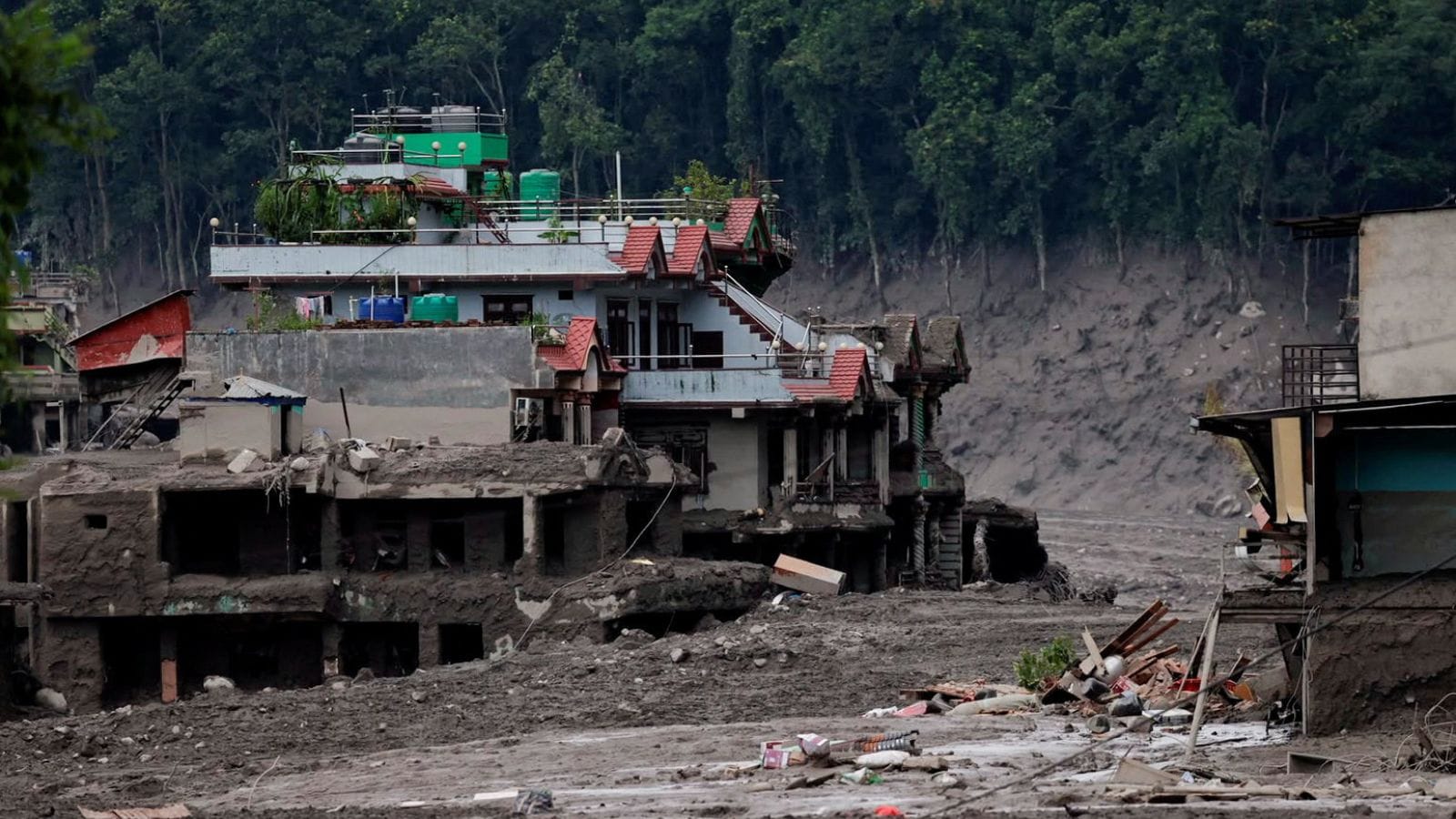
Water, mud, and debris tore through the subterranean arteries with the fury of an unleashed tide, swallowing pathways, sealing exits, and turning a workplace into a subterranean labyrinth. Three hundred and fifty souls have since been pulled back into the sunlight, blinking against the fierce Himalayan daylight, coughing up silt, holding onto rescuers like lifelines.
Yet, the math remains agonizing. One hundred people are still trapped.
And time is bleeding away.
I remember standing near a slip zone years ago during the monsoon season, watching the sheer indifference of the earth. You realize very quickly that nature does not negotiate. When a tunnel collapses or floods, the environment inside reverts to its primal state: hostile, absolute, and unforgiving.
Above ground, the families wait.
Picture a mother sitting on a overturned plastic bucket near the perimeter tape, her knuckles white as she grips a woolen shawl. She is not thinking about hydropower capacities, regional energy grids, or engineering metrics. She is thinking about a hurried breakfast, a packed lunch of spiced lentils, a parting wave. The abstract statistics reported by news outlets—350 rescued, 100 missing—translate in her mind to a single heartbeat.
The Nepal Army is down there now.
Search and rescue operations in a collapsed underground tunnel are unlike any other disaster response. It is not just about digging. Every movement risks triggering secondary collapses. Rescuers crawl on their bellies through narrow voids, flashlights cutting weak yellow cones through choking dust, listening for the faint tap of a metal pipe, a human voice, anything that defies the silence.
Consider the mechanics of the crisis. When a massive influx of water breaches a tunnel construction site, it carries tons of debris, boulders, and sediment. This sludge settles like wet concrete, hardening into impenetrable blockages. Pumping out the water is only the first step. Shoring up the unstable overhead arches requires precision engineering executed under extreme pressure.
Every minute counts. The golden hours of survival stretch thin. Dehydration, hypothermia in the damp underground chill, and the sheer psychological weight of confinement close in on those trapped in the pockets of air left behind.
Yet hope persists because resilience is the default state of those who live in the shadow of the world's highest peaks.
Engineers, medics, and soldiers operate as a single, exhausted organism, rotating in and out of the suffocating dark. They chart the blueprints of the tunnel from memory, searching for shafts or chambers where workers might have clustered when the waters rushed in.
The mountain keeps its secrets, but human tenacity has a way of prying them open, one agonizing foot of earth at a time. The operation continues under the glare of floodlights as night falls over the valley, casting long, jittery shadows against the cliffs. Down below, the searchers push forward into the quiet, listening for life against the heavy, breathing dark.