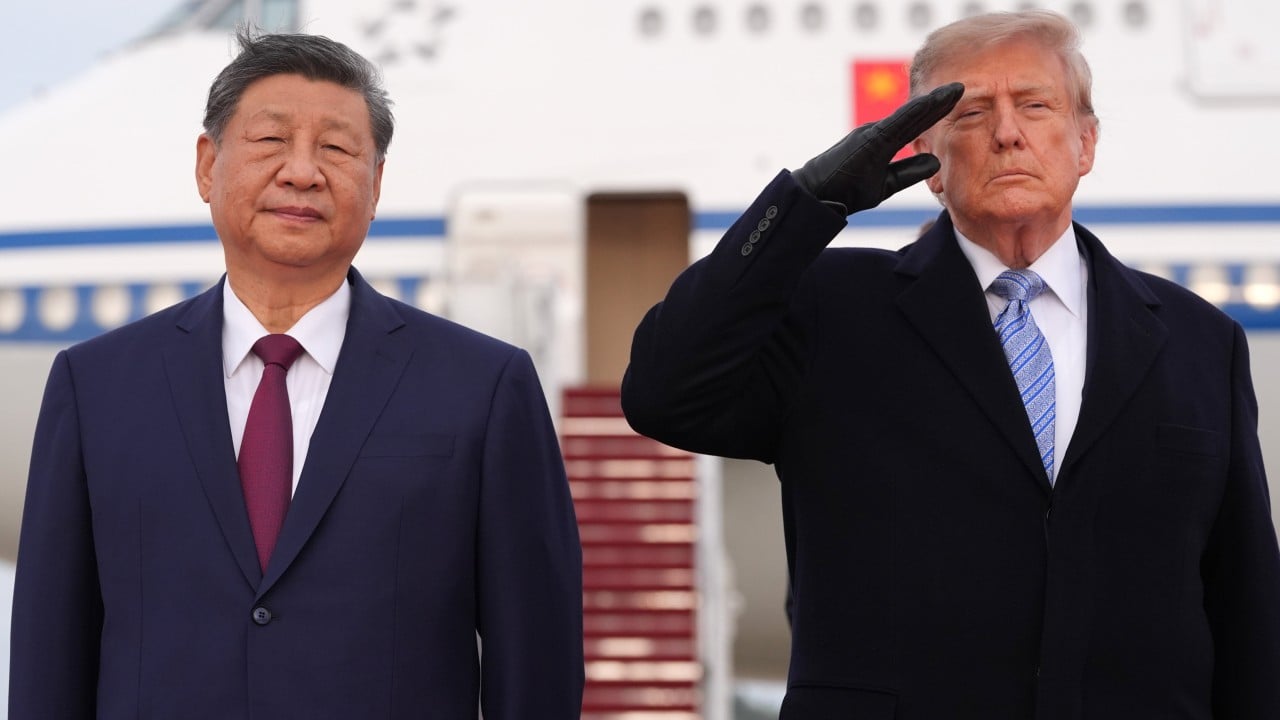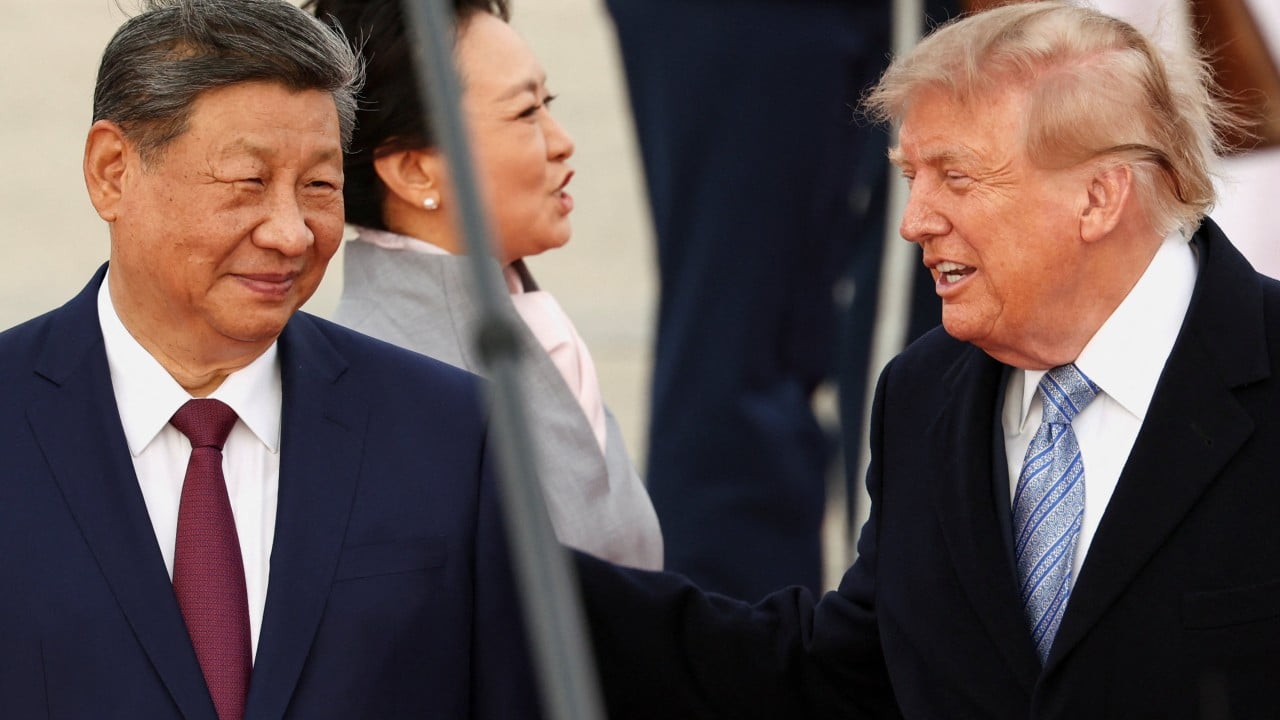
The tarmac at San Francisco International Airport was cold under the weight of history that autumn evening in 2023. Down the steps of Air China Flight 1 came Xi Jinping. He walked with the measured, unhurried cadence of a man who does not merely represent a nation, but embodies a civilization that has measured time in dynasties while the West measures it in election cycles.
A few thousand miles away, in quiet suburban living rooms across Ohio and electronics factories in Shenzhen, ordinary people were making dinner, paying mortgages, and worrying about the price of eggs or microchips. They would never shake the hand of the man descending the aircraft stairs, nor would they enter the oak-paneled chambers where words would soon be weighed like uranium. Yet every sentence spoken in that room would ripple outward, finding its way into grocery aisles, shipping yards, and kitchen tables.
This was not just a summit. It was a collision of gravitational fields.
To understand why two men stepping off planes can alter the temperature of the global economy, you have to look past the velvet ropes and the motorcades. You have to look at the invisible architecture of modern life.
Consider a hypothetical worker named David, standing on a factory floor in Michigan. He welds steel frames for electric vehicles. Every morning, David pulls on his work boots, checks his digital readout, and curses under his breath when a shipment of specialized magnets or rare earth components is delayed. David does not read diplomatic cables. He does not care about the geopolitical positioning of the South China Sea. But David’s ability to pay for his daughter’s braces depends entirely on whether supply chains remain open or slam shut.
When Xi touched down on American soil that week, he brought with him the anxieties of an economic slowdown at home. The property market in Chinese mega-cities was stuttering. Youth unemployment figures were climbing. The factory floors of Guangdong were feeling the pinch of cooling global demand.
Across the Pacific, President Joe Biden faced a different kind of pressure. He sat atop an economy showing stubborn resilience, yet haunted by inflation, a fractured electorate, and the bipartisan consensus that decades of economic integration with Beijing had hollowed out America’s industrial spine. Both leaders arrived at Filoli Estate—a sprawling, opulent country house tucked away in the California hills—carrying heavy baggage. They were men cornered by their own domestic narratives.
History tells us that superpowers in economic competition inevitably drift toward conflict. It is a script written by Thucydides more than two millennia ago. Athens grows; Sparta panics; war follows. The ancient Greek did not account for intercontinental ballistic missiles, globalized supply chains, or the mutual economic suicide of a severed trade relationship.
That is why the stakes in San Francisco were subterranean. The world did not need another public relations spectacle. It needed a pressure release valve.
For four hours, behind closed doors, they talked. They talked about fentanyl precursors flowing across oceans. They talked about military-to-military communication channels that had gone cold after a high-altitude balloon drifted across the American heartland months earlier. They talked about artificial intelligence, climate change, and the razor-thin line of sovereignty surrounding Taiwan—a jagged little island that could ignite a third world war if mismanaged by even a single millimeter.
Imagine the atmosphere in that room. The aides sitting stiffly against the walls, holding black leather binders containing every harsh word ever uttered by either leader over the past decade. The translators leaning forward, catching idioms that do not translate cleanly across linguistic divides. Diplomacy at this level is not about warmth. It is about cold, hard calculation wrapped in the thin veneer of diplomatic courtesy. It is the art of standing at the precipice while convincing your adversary that neither of you is holding a shove.
By the time the sun dipped below the Santa Cruz Mountains, casting long, bruised shadows across the manicured gardens of Filoli, small breakthroughs had been achieved. Military communications were restored. A fragile agreement to curb the export of chemical ingredients used in illicit drugs was struck. The rhetoric softened, if only slightly.
Yet, the fundamental structural friction remained entirely untouched.
You cannot dissolve decades of strategic rivalry over afternoon tea. China wants technological self-sufficiency; the United States wants to maintain a technological chokehold on advanced semiconductors. China views its rise as the natural restoration of historical equilibrium; the United States views that same rise as an existential threat to the liberal international order. These are not misunderstandings. These are fundamental disagreements over who writes the rules of the twenty-first century.
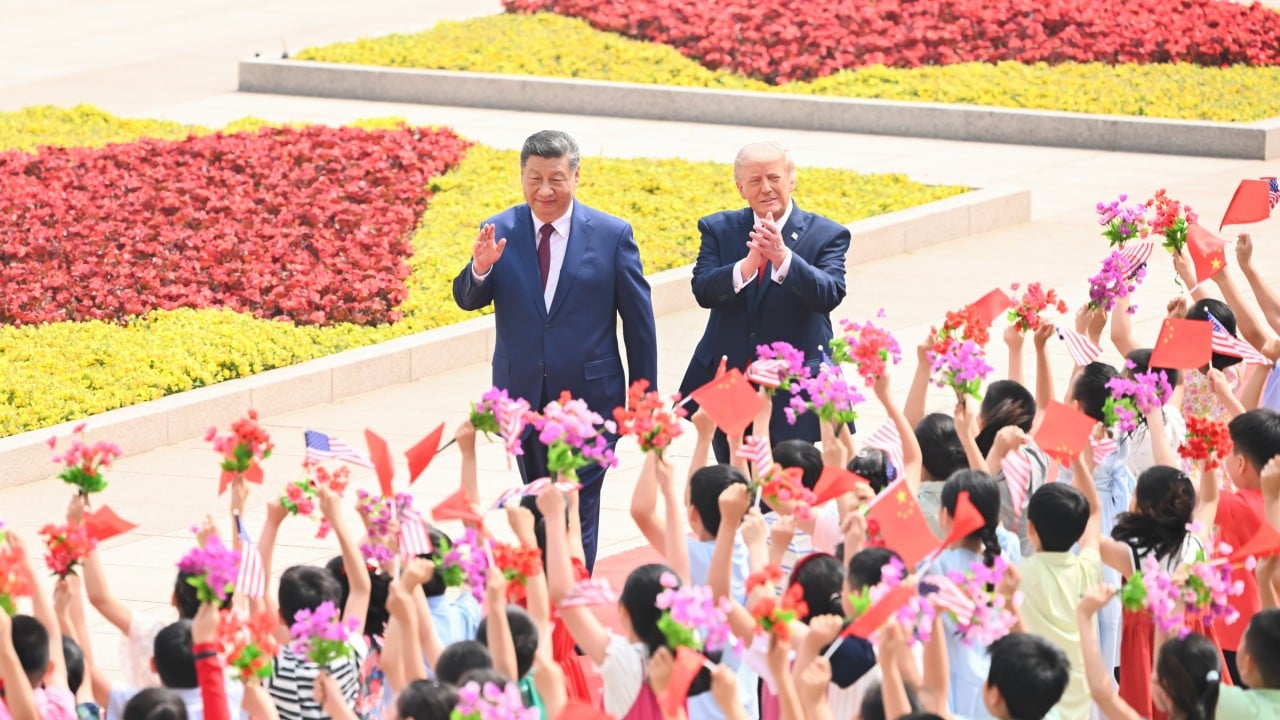
When Xi boarded his plane to leave, the red carpet was rolled up. The motorcades dispersed. Traffic on the Bayshore Freeway returned to its miserable, mundane crawl.
Back in Michigan, David went back to welding steel frames. In Shenzhen, assembly line workers soldered circuit boards. The grand theater of geopolitics had retreated behind the curtain, leaving ordinary people to navigate the quiet consequences of decisions made by old men in suits.
The summit did not save the world. It did not end the rivalry. But it bought time. And in the high-stakes game of global survival, time is the only currency that truly matters.
The engines of Air China Flight 1 roared to life, pushing against the night air, carrying the delegation back across the vast, dark Pacific. Below them, the ocean stretched out endlessly, indifferent to borders, treaties, or flags, holding its deep, silent currents steady against the turning of the earth.