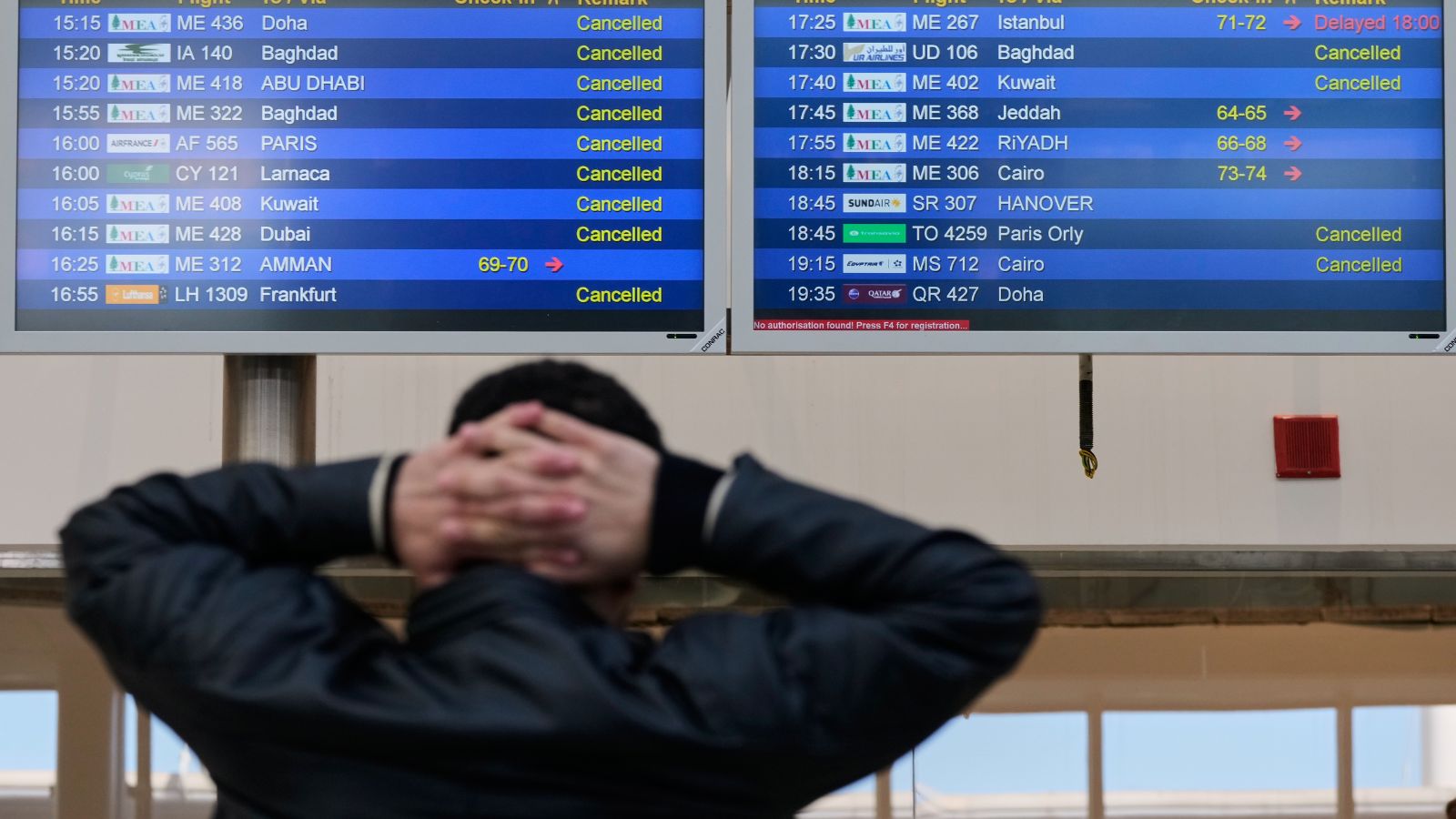
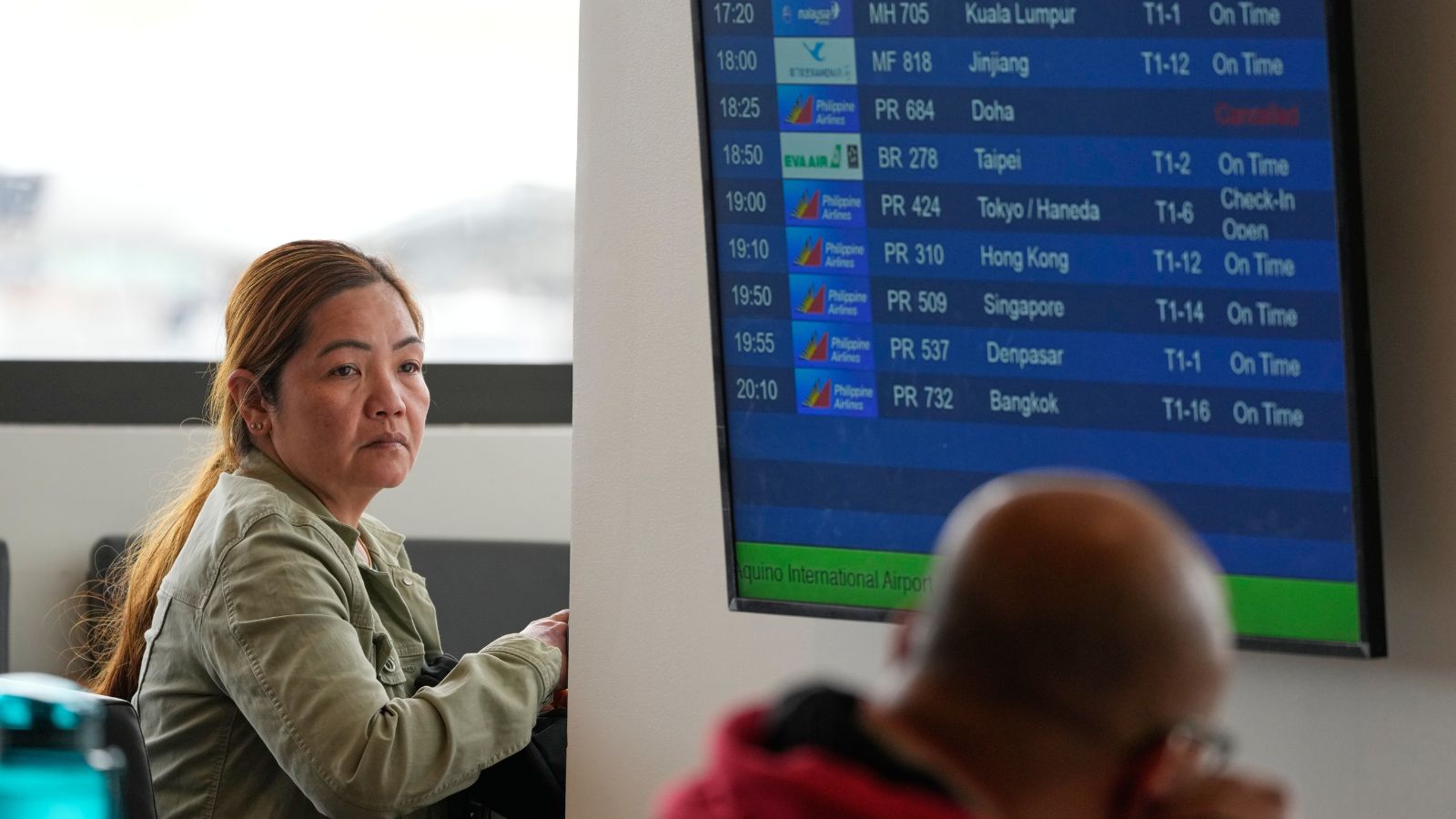
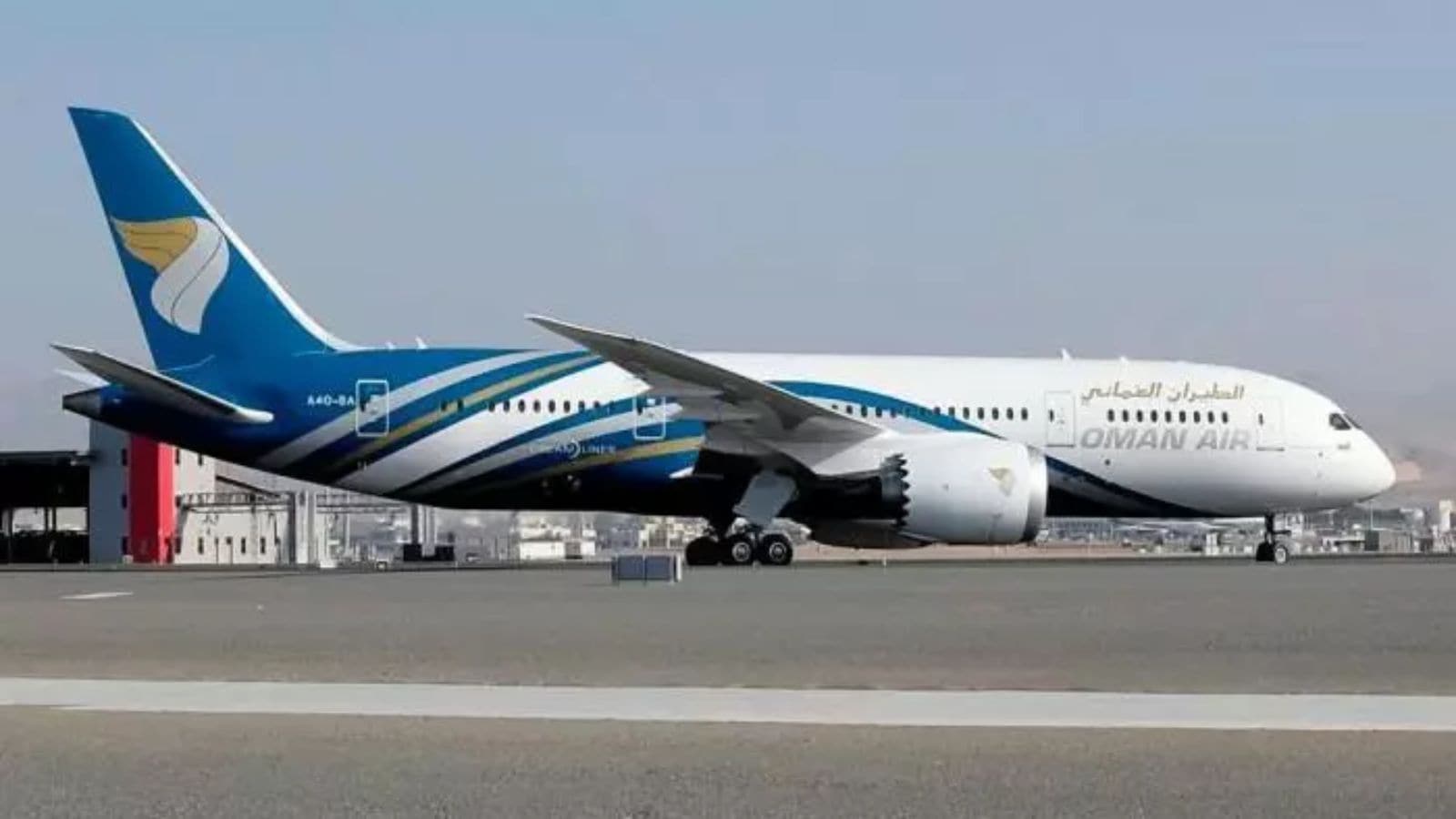
The air in the Abu Dhabi International Airport terminal doesn't circulate like the air outside. Outside, it is a thick, humid blanket that smells of salt and searing asphalt. Inside, it is recycled, sterile, and carries the faint, metallic scent of industrial cooling units. For most, this is the smell of a vacation or a business deal. But for those standing in the queue for Etihad Flight EY218, it smelled like the end of an era.
They stood in a line that snaked past the high-end duty-free shops, past the shimmering displays of gold jewelry and Swiss watches that they no longer looked at. Their eyes were fixed on the blue-clad ground staff. They clutched passports in hands that had, until recently, been busy building the very city they were now leaving. This wasn't a standard departure. This was the Great Unraveling. For a different perspective, read: this related article.
When the news broke that four special evacuation flights had been cleared to land in Indian cities—Cochin, Delhi, Bengaluru, and Thiruvananthapuram—it didn't feel like a victory. It felt like a pressure valve finally popping.
The Weight of a Suitcase
Consider a man named Rajesh. He is a hypothetical composite of the thousands who found themselves caught in the gears of a global standstill. For twelve years, Rajesh sent 70 percent of his salary back to a village in Kerala. He helped build the glass towers that define the Dubai skyline, working in heat that turns sweat into a crust of salt on a high-visibility vest. Related coverage on this matter has been shared by National Geographic Travel.
Now, his life has been compressed into thirty kilograms.
The tragedy of an evacuation flight isn't just the leaving; it’s the selection. What stays? What goes? You cannot pack a decade of Sunday afternoon cricket matches in the dust of a labor camp. You cannot pack the pride of being the "Gulf brother" who provided for the family. You pack three pairs of trousers, a gift for a niece you haven't seen in two years, and the heavy, silent realization that the dream has paused, perhaps permanently.
The logistical machinery behind these four flights is staggering. Etihad Airways isn't just moving bodies; they are navigating a labyrinth of shifting bilateral agreements and health protocols. Each passenger represents a mountain of paperwork—COVID-19 test results, embassy clearances, and the digital trail of a life being uprooted.
The Silence of the Cabin
When the engines of the Boeing 777 began their low, rhythmic thrum on the tarmac in Abu Dhabi, the usual pre-flight chatter was missing. Usually, these routes are loud. There is the crinkle of snack bags and the excited planning of men going home for weddings or festivals.
This time, there was only the sound of the air vents.
The "evacuation" label changes the psychology of the cabin. It strips away the pretense of choice. These four flights were lifelines, yes, but they were also a somber admission that the economic engine of the Middle East had hit a wall that no amount of optimism could bypass. The passengers sat masked and shielded, looking like extras in a low-budget sci-fi film, staring out at the desert sun reflecting off the wings.
As the wheels retracted over the Persian Gulf, the view below offered a cruel irony. From 30,000 feet, the highway connecting Dubai and Abu Dhabi looks like a silver vein, pulse-less and perfect. The construction sites, usually swarming with activity, looked like abandoned toys in a sandbox. The very people who made those toys move were now inside the pressurized hull of the 777, soaring away from the wealth they helped create.
The Ground Beneath Their Feet
The landing in Cochin is different from the landing in Delhi. In the south, the air is heavy with the scent of rain and spice. In the north, it is the sharp, dry heat of the plains. But the reception was the same across all four destination cities: a mix of relief and clinical coldness.
The moment the doors opened, the passengers weren't met by hugging relatives. They were met by men in white hazmat suits.
Health screenings at Indian airports have become a gauntlet of efficiency. Thermal scanners, rapid tests, and the inevitable stamp on the back of the hand—a mark of the "repatriated." The transition from "Expat Professional" to "Returnee" is instantaneous and jarring.
In the terminal at Bengaluru, the exhaustion was visible in the slumped shoulders of the young IT professionals and the weathered faces of the older mechanical engineers. They stood on the polished floors, waiting for bags that felt heavier now than they did three hours ago. The transition wasn't just geographical; it was an identity crisis.
For the Indian government, these flights are a statistical necessity, a fulfillment of a duty to its citizens abroad. For the UAE, they are a necessary thinning of the herd during a global contraction. But for the person standing in the middle of the Delhi arrivals hall, the "big picture" matters very little. The only thing that matters is the phone call to a mother or a wife: "I'm back. I'm safe. I don't know what happens tomorrow."
The Invisible Economics of Home
The ripple effect of these four Etihad flights will be felt in small village shops thousands of miles from the Burj Khalifa. When a worker returns home, a monthly remittance disappears. The local grocery store in a Kerala suburb loses a loyal customer who paid his tab every month. The school fees for a daughter in Thiruvananthapuram suddenly become a source of late-night whispers between parents.
We often talk about the "global economy" as if it is a single, breathing entity. It isn't. It is a series of interconnected heartbeats. When the heart in Abu Dhabi skips a beat, a household in rural India feels the tremor. These flights are the physical manifestation of that tremor.
The story of the Dubai-Abu Dhabi corridor isn't just about oil or luxury real estate. It is about the human bridge. For decades, that bridge has seen a one-way flow of labor and a return flow of capital. Now, for the first time in a generation, the bridge is crowded with people walking backward.
As the sun sets over the Arabian Sea, the four aircraft sit on Indian soil, their engines cooling, their cabins being scrubbed with disinfectant for the next leg of their journey. The passengers have dispersed into the night, heading toward quarantine centers or ancestral homes that they never expected to see quite so soon.
The lights of Abu Dhabi still shine bright, reflected in the calm waters of the Gulf. The city remains a marvel of human will and engineering. But tonight, it is a little emptier. A little quieter. The ghosts of the people who built it are now thousands of miles away, sleeping in rooms they haven't lived in for years, listening to the unfamiliar sounds of a home they thought they had outgrown.
The planes will fly again. The routes will reopen. The duty-free shops will eventually find new travelers to dazzle with gold and watches. But for the few thousand who stepped off those four flights, the world has permanently shifted its axis. They are no longer the builders of a desert dream; they are the witnesses to its fragility.
The luggage has been unpacked. The masks have been discarded. The silence remains.