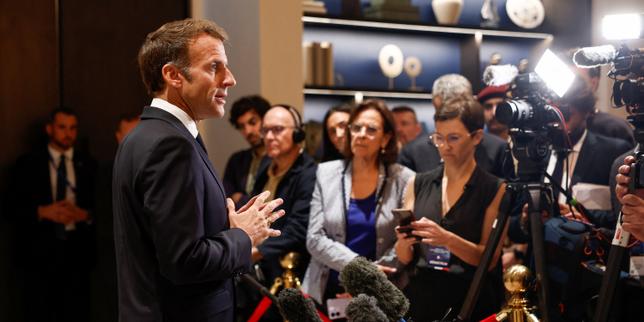
Emmanuel Macron says France will host a conference to back the Lebanese Armed Forces right after Israel's elections, and honestly, the timing tells you everything about how trapped Beirut really is. When a French president announces a major diplomatic push in Doha while calling the pressure on Lebanon "untenable," you know the old playbook isn't working anymore.
The conference was supposed to happen in Paris back in March. Then regional war flared up again after Hezbollah entered the conflict in support of Iran, knocking France's timeline off course and leaving Israeli forces holding onto more than 600 square kilometers in southern Lebanon, where dozens of villages have been flattened. Now Macron is tying the next diplomatic push to the aftermath of the October 27 Israeli vote.
Here is the real catch. Lebanon's military is being asked to step into a security vacuum and disarm Hezbollah in the south while operating on shoestring resources, low pay, and aging equipment. Calling a donors' and partners' meeting sounds encouraging on paper. Yet money and diplomacy alone don't fix a front line when troops are stretched thin and the UN peacekeeping mandate is nearing expiration at year's end.
Why Macron's Post-Election Conference Matters Now
Macron's announcement on October 21 during his trip to Qatar wasn't just routine diplomatic housekeeping. Paris has spent months trying to keep Lebanon from slipping into full-scale state collapse while regional tensions spiral across the Gulf, Iran, and the Levant.
Look at what changed between spring and autumn 2026. In March, European diplomats still hoped a Paris gathering could rally fresh backing around state institutions. Instead, renewed hostilities dragged Lebanon deeper into the wider Middle East war, stalled that plan, and hardened positions on every side.
During his press remarks alongside the One Planet Sovereign Wealth Funds summit in Lusail/Doha, Macron also pushed back sharply against what he called foreign manipulation and foolish commentary from outside leaders after violent unrest in France. That dual message—defending French credibility abroad while promising structured backing for Beirut after Israeli polling—shows how tightly domestic politics, regional elections, and cross-border security are tangled right now.
The Security Vacuum Ahead of UNIFIL's Mandate Expiry
Lebanese President Joseph Aoun told visiting French Foreign Minister Jean-Noël Barrot in mid-October that Beirut would welcome international moves to stop a security vacuum from forming in the south as the long-running UN peacekeeping mandate wraps up at the end of the year. That is not a minor logistical detail. It is the central clock ticking over southern Lebanon.
For years, peacekeepers and the Lebanese Armed Forces worked in a fragile, imperfect arrangement along the border zone. As that mandate approaches its end date, nobody in Beirut wants an abrupt gap that invites either renewed large-scale strikes or unchecked armed activity.
Paris wants to coordinate its upcoming conference with broader international efforts so the Lebanese military isn't left holding an impossible brief all by itself. Still, coordination takes time, and time is the one thing Lebanon has very little of.
What the Lebanese Army Actually Faces on the Ground
Ask anyone who watches Lebanese security affairs closely, and they'll tell you the same thing. Sympathy for the Lebanese Armed Forces is easy to find in foreign capitals. Practical, heavy-duty support is much harder to deliver.
Soldiers and officers have weathered years of economic shock that hollowed out salaries and pushed families to rely on second jobs or outside help just to get by. Even when international partners send aid packages, the gap between the mission assigned to the army and the tools it has on the ground remains wide.
Disarmament Demands vs. Operational Reality
Israeli officials have tied any withdrawal from occupied parts of southern Lebanon to the disarmament of Hezbollah. Meanwhile, Macron has stated in earlier talks with Lebanese Prime Minister Nawaf Salam that France believes Hezbollah should be disarmed by the Lebanese Armed Forces rather than by Israeli military action.
Those two positions sound clean in speeches. On the ground, they collide hard.
- Under-resourced units: Troops tasked with patrolling complex terrain and enforcing state authority in the south face shortages in vehicles, surveillance gear, and steady logistical backing.
- Political pushback and smears: The Lebanese military has had to reject disinformation campaigns aimed at undermining its credibility right in the middle of sensitive negotiations.
- Active territorial friction: With Israeli forces occupying over 600 square kilometers in the south and destroying dozens of villages during the latest fighting, sovereignty isn't an abstract legal phrase—it's a daily crisis.
Anyone expecting a single conference to solve a decade's worth of political and military contradictions is kidding themselves. A meeting can unlock funds, training, and political cover. It cannot magically erase armed militias overnight or force an immediate troop withdrawal without a broader settlement.
Why Waiting Until After Israel's Vote Cuts Both Ways
Timing a major diplomatic initiative around Israeli elections is a calculated gamble. Before October 27, political maneuvering in Israel was already intense, with rival candidates accusing Prime Minister Benjamin Netanyahu of pushing for escalated strikes against Iran or regional allies to rally voters.
Waiting until after the ballot lets Paris deal with a clearer electoral picture rather than campaigning noise. That makes sense from a diplomatic standpoint. Why lock in a conference agenda while leaders are chasing pre-election momentum?
Yet waiting carries a real cost for Lebanon. Every extra week of limbo leaves displaced residents, damaged towns, and overstretched soldiers stuck in uncertainty. Even after votes are cast, forming a government and shifting policy takes time, especially with wider regional flashpoints—from Strait of Hormuz tensions to U.S. political shifts—competing for Washington's and Europe's attention.
What Analysts and Policymakers Often Miss
One common mistake in outside commentary is treating the Lebanese army as a neutral referee that just needs a check to fix everything. That's a neat story, and it's wrong.
The army is a vital national institution—often the last one most Lebanese citizens trust to hold the country together—but it operates inside a deeply fractured political system. Its leadership has to balance survival, internal cohesion, U.S. and European aid rules, and volatile local realities in the south.
Another oversight is assuming Gulf states and Western capitals will automatically write big checks just because France asks. Gulf capitals have their own security worries right now, including direct regional attacks and maritime threats. Getting real, binding commitments—not recycled pledges—will take tough bargaining.
Practical Steps to Track What Happens Next
If you're following this story because you live in the region, work in policy or humanitarian response, or just want to separate real progress from diplomatic spin, don't stop at the headline announcement. Watch concrete indicators instead.
- Check the actual agenda and guest list: Look past the press release to see which countries commit concrete equipment, stipends, or training rather than vague "political support." You can track official French statements via Vie publique and regional reporting from outlets like L'Orient Today.
- Watch the UN mandate transition: Pay close attention to how peacekeeping duties and border monitoring are structured as the current UN mandate nears expiration at the end of the year. Gaps on paper quickly turn into friction on the ground.
- Track movement in southern Lebanon: Ignore tough rhetoric from any capital for a moment and look at whether occupation lines, village access, or local security arrangements actually shift after Israeli post-election consultations get underway.
- Separate aid pledges from delivery: A promise announced at a summit means little until funds, spare parts, and operational support reach units in the field.
Macron's post-election conference gives diplomacy a fresh date on the calendar. Whether it changes facts on the ground in southern Lebanon depends on whether major powers finally match urgent speeches with real muscle.