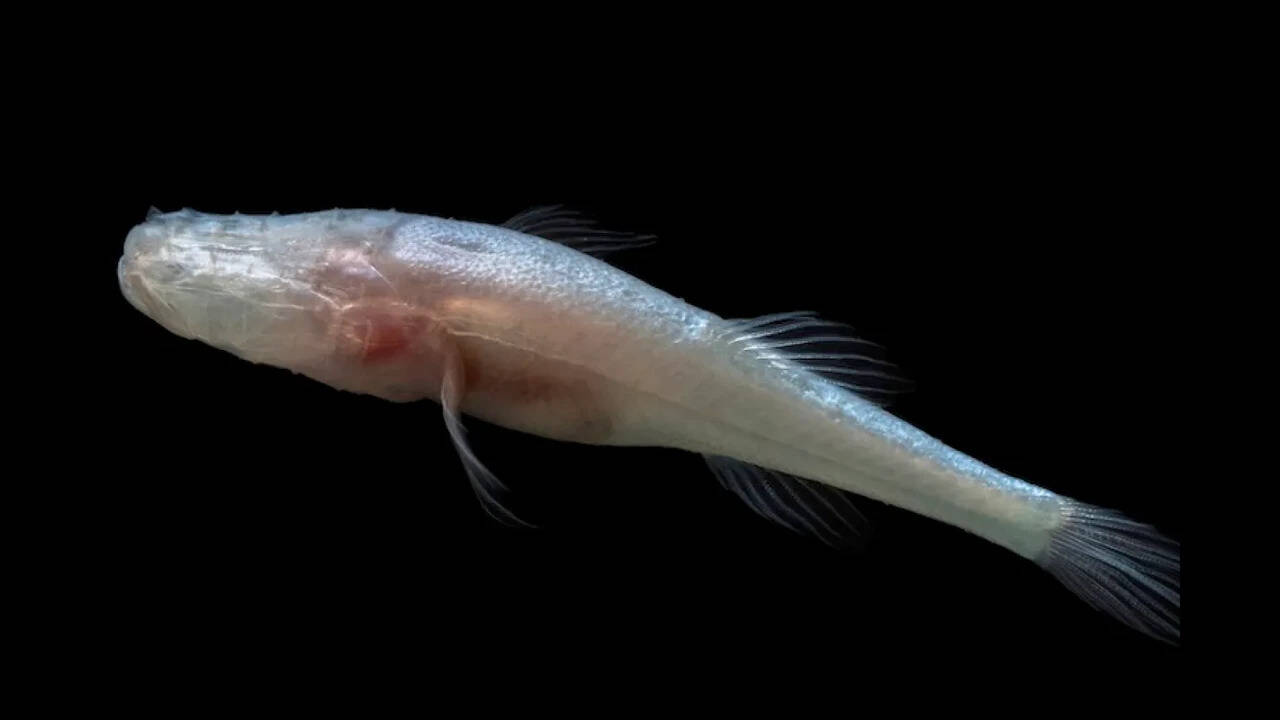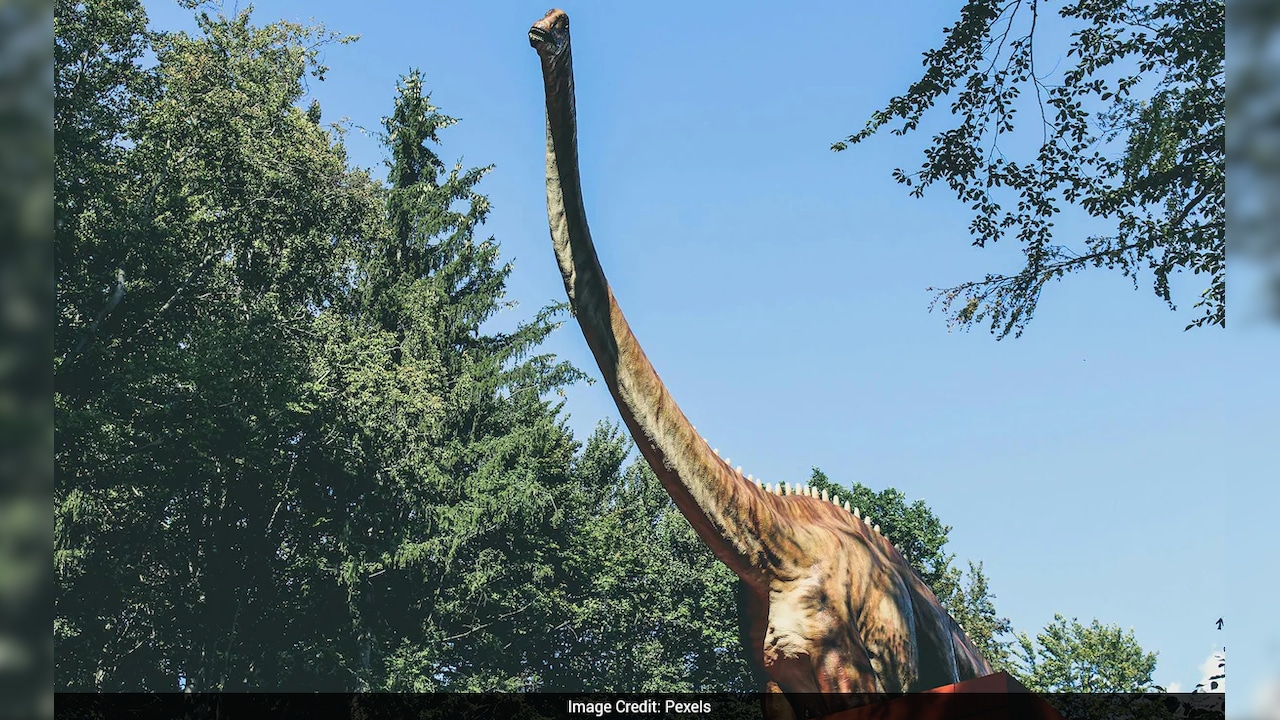
Ever wonder why you can easily hold a pygmy jerboa in the palm of your hand, yet the smallest known non-avian dinosaur roughly approaches the size of a pigeon? Popular culture loves to obsess over massive sauropods shaking the earth. We talk endlessly about T-Rex jaws and triceratops horns. We rarely ask why the lower end of the dinosaur size chart stops dead in its tracks.
Here is the truth. Dinosaurs basically abandoned a massive, highly lucrative chunk of ecological real estate. They left the sub-one-kilogram zone wide open. Mammals didn't just stumble into this vacancy. They fought for it, evolved for it, and completely dominated it while dinosaurs were busy getting too big to fail.
The Sub-Kilogram Constraint
Go outside. Look down at the grass. You'll see mice, shrews, voles, and beetles darting through the dirt. The modern world teems with tiny, warm-blooded creatures scurrying beneath our feet. Mesozoic ecosystems didn't look like that at all.
Paleontologists studying the fossil record notice a stark gap. While dinosaurs hatched from tiny eggs, they grew rapidly. They bypassed the small-bodied adult niche altogether. If you weigh under one kilogram, you live in a completely different physical universe. Surface area outweighs volume. Heat dissipates fast. Metabolism has to run at a frantic pace just to keep the engine from stalling.
Dinosaurs solved this by scaling up. Most dinosaur lineages evolved to be large, or at least medium-sized. Even the diminutive feathered theropods that eventually gave rise to birds usually stayed well above the mouse-sized threshold during their formative evolutionary centuries.
Why did this happen? Blame the babies.
The Growth Trap of Dinosaur Reproduction
Think about how dinosaurs made more dinosaurs. They laid clutches of eggs. Those eggs had strict physical limits regarding shell gas exchange and incubation heat. When a baby dinosaur hatched, it was small. But it was programmed by millions of years of genetic momentum to grow into something enormous.
That creates an awkward developmental bottleneck.
If you are built to become a multi-ton beast, your juvenile phase is just a temporary parking spot. You aren't optimized to spend your entire adult life weighing fifty grams. Your skeletal structure, your lung capacity, and your feeding apparatus are all designed for a trajectory of rapid, massive expansion.
Mammals played an entirely different game.
Mammalian reproduction involves internal gestation and lactation. This biological toolkit allowed early mammals to shrink down to extreme sizes and stay there. A shrew doesn't need to turn into a cow. It thrives precisely because it stays tiny, breeds fast, and squeezes into ecological niches that require high agility and low food mass footprints.
How Mammals Won the Tiny Turf War
Early mammals during the Mesozoic weren't helpless little hairballs cowering in ferns. They were active nocturnal hunters, insect-eaters, and subterranean specialists. They specialized in the exact kind of high-energy, micro-habitat survival that large-bodied egg-layers simply could not manage efficiently.
Look at creatures like Repenomamus. This ancient mammal grew large enough to occasionally snack on baby dinosaurs, proving the power dynamic wasn't a one-way street of mammalian oppression. But down at the micro-scale, tiny mammals ran the show.
Fossil teeth tell the story clearly. Mammalian molar complexity exploded during the Cretaceous period. Tiny mammals developed specialized shearing and grinding cusps to process seeds, hard-shelled insects, and grubs. Dinosaurs with small jaws typically relied on simpler tooth plates or gizzard stones. They couldn't match the oral processing power of a shrew-like cynodont descendant chewing its food to paste to extract every last calorie.
When you weigh ten grams, every single calorie dictates whether you survive the night. Mammals evolved endothermy—warm-bloodedness—paired with fur insulation that worked exceptionally well at micro-scales. Feathers are great for large insulation and display, but dense fur coats engineered for tiny bodies allowed mammals to conquer cold nights while tiny dinosaurs froze or starved.
The Asteroid Reset Button
Then came the chicxulub impact sixty-six million years ago.
An asteroid hit the Yucatan Peninsula. Dust choked the skies. Sunlight vanished. Photosynthesis collapsed. The food chain snapped from the top down.
Huge dinosaurs starved immediately. They required massive daily caloric intake. When the plants died, the herbivores died. When the herbivores died, the apex predators died.
Tiny animals survived.
Burrowing mammals living underground didn't need direct sunlight. They ate detritus, roots, insects, and fungi. Because they were already small, they needed remarkably little food to sustain a breeding population through a nuclear winter. They had spent over a hundred million years perfecting the art of living small.
When the dust cleared, the real estate market belonged to them.
Moving Past the Dinosaur Bias
Stop thinking of evolution as a straight ladder where bigger equals better. Evolution is a chaotic bush of trial and error. Dinosaurs won the size game for over one hundred million years because gigantism worked brilliantly in a stable, warm greenhouse world.
Mammals won the small game because metabolic flexibility and dental precision matter more when you can hide under a rotting log.
Next time you spot a field mouse darting across a hiking trail, look at it with respect. You are watching the direct beneficiary of an ancient territorial dispute. Mammals didn't just survive the age of dinosaurs. They carved out the spaces dinosaurs abandoned, held the line, and inherited the earth.