The radio waves over the Gulf carry a constant, low-frequency murmur. Pilots talk to towers, towers talk to radar screens, and somewhere thousands of feet above the earth, machines hum with the unblinking confidence of modern engineering. We board airplanes trusting an invisible architecture of background checks, medical clearances, and locked doors. We assume that the person steering through the clouds is anchored to the world below by a thousand invisible threads of institutional safety.
Sometimes, those threads snap long before the wheels leave the tarmac.
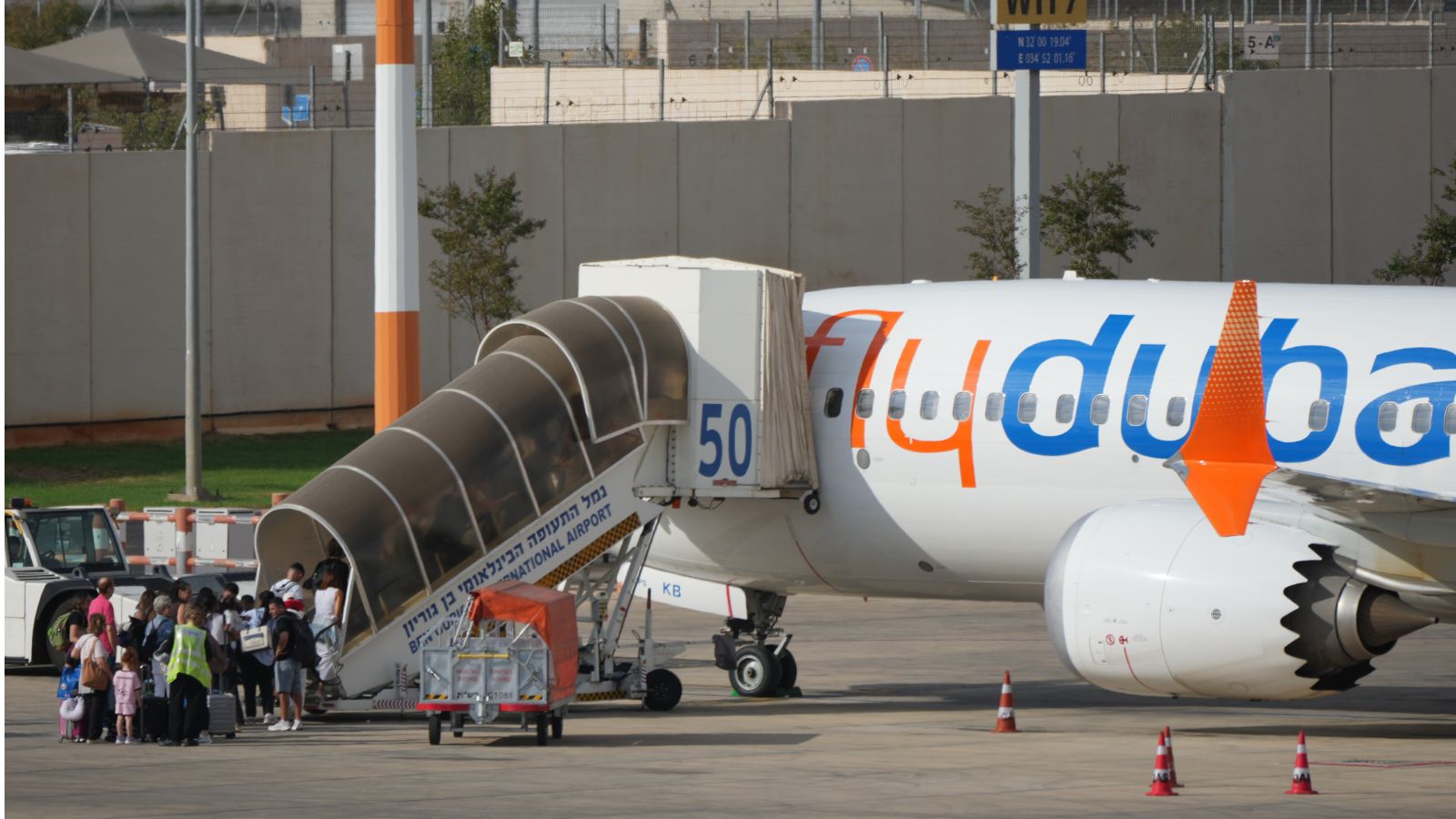
Consider what happens when a system built on speed and volume collides with a human mind unraveling in secret. We learned this week about the Omani pilot identified in the disturbing Flydubai incident—a man whose biography now reads like a series of missed alarms and administrative blind spots. Records show he was flagged as a security risk as early as 2024. Yet he still found himself behind the controls.
How does a red flag become a mere footnote until tragedy knocks on the door?
To understand that failure, you have to look past the cold police reports and step into the disorienting reality of modern aviation hiring. The commercial cockpit is often imagined as a pristine sanctuary of elite discipline. In truth, it is an industry starved for talent, driven by relentless expansion, and reliant on cross-border credentials that do not always speak the same language. A flag in one database does not automatically scream across an ocean to another. Bureaucracy moves at the speed of paperwork; human deterioration moves much faster.
Imagine sitting in the right seat beside him. Picture the silence in the flight deck before things went wrong. The hum of the avionics. The cool glare of the instrument panel illuminating a face that is present in the flesh, but entirely absent behind the eyes. This is the terrifying part of modern high-stakes professions. The danger rarely looks like an obvious villain wearing a scowl. It looks like routine. It looks like someone who passed the simulator check ride. It looks like a uniform pressed the night before.
Security risks in aviation are rarely dramatic movie tropes. They are bureaucratic ghosts. A warning issued in 2024 is written in ink on a digital ledger, filed away in a folder labeled pending or reviewed. Somewhere in the vast machinery of international transit, an official looked at a screen, checked a box, and assumed another department was handling the human element.
That is the fatal flaw of administrative safety. It assumes that flags are shields rather than what they actually are: warning flares fired into a thick fog.
When the Omani pilot's history finally spilled into public view after the Flydubai disruption, the immediate reaction was shock. But anyone who has studied institutional risk management knows this wasn't an anomaly. It was a predictable breakdown of communication. Aviation safety is obsessive about hardware. We can trace a cracked turbine blade back to the foundry that forged it. We can inspect every rivet on a wing. But we struggle immensely with the interior geography of the human brain.
We treat mental stability and ideological radicalization as static conditions. You pass the medical exam today; therefore, you are fine for the next twelve months. But minds crack under pressure. Grievances fester. Isolation turns ordinary professionals into ticking clocks.
The aviation industry operates on redundancy. Every critical engine component has a backup. Every navigational computer has a twin. Every flight plan has an alternate. But human psychology remains the lone single point of failure in a multi-engine world. When a pilot becomes a security risk, there is no physical backup for judgment.
The public wants a simple villain here. We want to point at the airline, at the screening agencies, or at the individual and draw a neat line of blame. Reality is messier. It involves disparate intelligence agencies across different nations that do not share data seamlessly. It involves privacy laws that protect medical records fiercely, sometimes shielding dangerous instability from the very employers who need to know.
We built a global transit network that shrinks the planet to a few hours of cramped seating, but we left the doors of the cockpit vulnerable to the oldest weakness in existence: the unobserved darkness inside a human being.
Every time we step onto a commercial jet, we are participating in a massive act of radical trust. We hand our lives over to total strangers whose inner lives we will never know. We trust the badge, the uniform, the license, and the corporate logo painted on the fuselage.
The story of the flagged pilot is not just a aviation news item. It is a mirror reflecting how poorly our institutions handle the invisible fractures in modern life. Warnings were logged. Databases were updated. Protocols were technically followed. And yet, a man who should never have been near a throttle was flying anyway.
The next time you board a plane and hear that calm, cultured voice come over the intercom welcoming you to your flight, remember the quiet hum of the machinery keeping you aloft. Remember the invisible army of regulators, mechanics, and dispatchers trying to hold the sky together.
And remember how thin the margin is between the routine and the abyss, guarded only by the fragile certainty of a system that is still learning how to see the ghosts in the cockpit before they take the wheel.