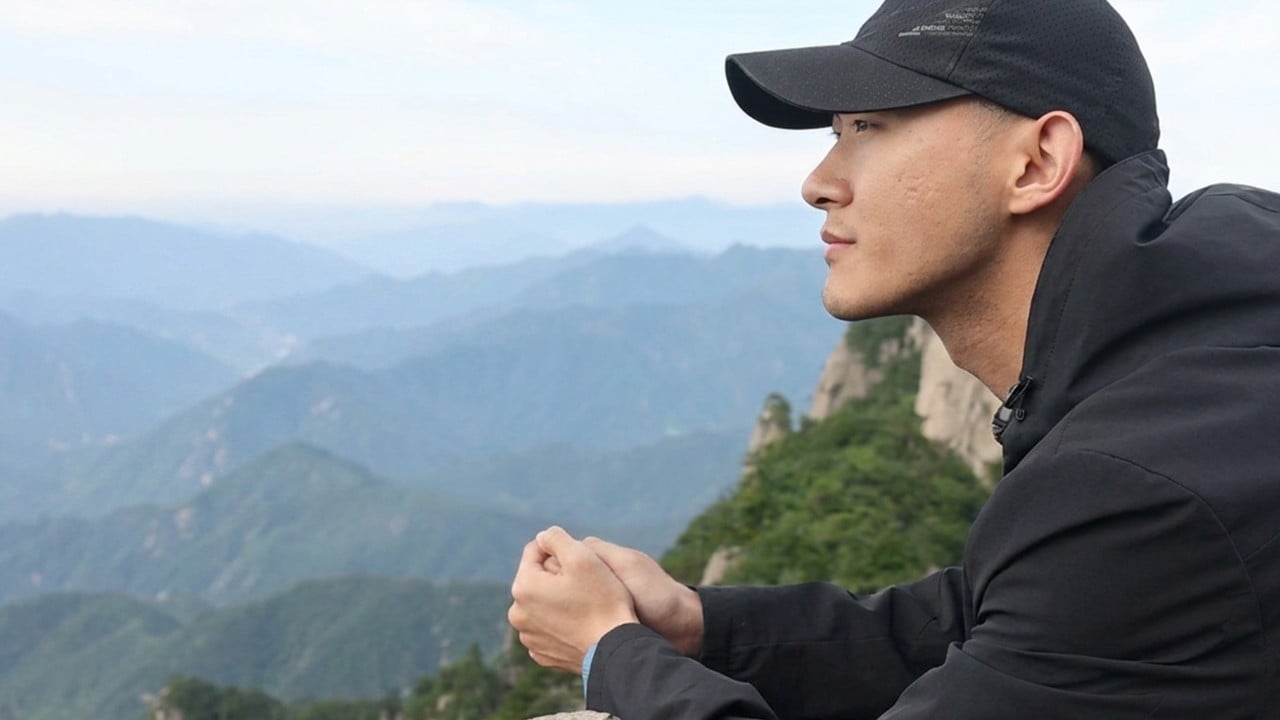
For thirty days, the world ended at the edge of a cliff in Henan province.
Below him lay the jagged, ancient spines of Laojun Mountain, a jagged sanctuary where Taoist philosophers once sought answers in the quiet rustle of pine needles. Above him stretched an indifferent sky. And around him rolled the mist—thick, white, and ancient as the rocks themselves. For a different perspective, consider: this related article.
His job description was absurdly simple. Watch the clouds.
We live in a culture obsessed with velocity. Every waking hour is carved into granular chunks of productivity, tracked by algorithms, measured by output, and monetized by the minute. Yet, in the heart of central China, a 5A-level tourist attraction did something radical. They advertised a vacancy for a professional daydreamsmith. The official title was cloudscape observer. The assignment: live on the mountain summit from July 16 to August 15, stare into the abyss of the sea of clouds, capture its shifting moods on video, and collect a paycheck of 60,000 yuan. Related insight on this matter has been provided by Vogue.
That is roughly 8,900 American dollars for a month of altitude and atmospheric observation.
Imagine waking up to an ocean of white vapor washing against your doorway. No Slack notifications pinging through the dawn. No quarterly projections demanding your blood. Just the slow, tectonic crawl of weather systems sliding across a sacred peak where Lao Tzu supposedly once sat and pondered the universe. For thirty days, the chosen observer became a ghost haunting the summit, tethered to the modern world only by the daily dispatch sent out to digital screens across the country.
Then, August 15 arrived.
The contract expired. The mist cleared, metaphorically speaking, and the observer packed their bags, leaving behind an empty cabin and an internet full of envious onlookers.
But the story does not end with a closed door.
Resort administrators, stunned by the tidal wave of viral attention and the profound cultural resonance of the experiment, are already drafting plans for more campaigns of a similar nature. They realized something vital about the psychological state of modern society. People are desperately tired. They are drowning in digital noise, suffocating in urban concrete, and yearning for a return to radical stillness. By paying someone to do nothing more than witness the earth breathe, the mountain resort tapped into an ancient human hunger for sanctuary.
Consider what happens next.
As tourism boards and scenic destinations look for ways to break through the endless monotony of traditional marketing, the blueprint has changed. Traditional glossy brochures are dead. The future belongs to experiential theater, to bizarre, poetic micro-jobs that turn ordinary people into temporary hermits. These campaigns do not just sell a ticket to a mountain; they sell an emotional escape hatch. They offer a fantasy where your primary responsibility is to look up.
Laojun Mountain remains shrouded in its legendary mists. The military base nearby ensures certain parts of the surrounding geography stay locked away from foreign eyes, but the summit itself has opened a window into a different kind of territory—the landscape of unhurried time.
The cloudscape observer has descended the stone steps, returning to the frantic rhythm of the valley below. Yet the cabin on the peak remains vacant, waiting for the next wind to change, and for a new dreamer to answer the call of the white sea.