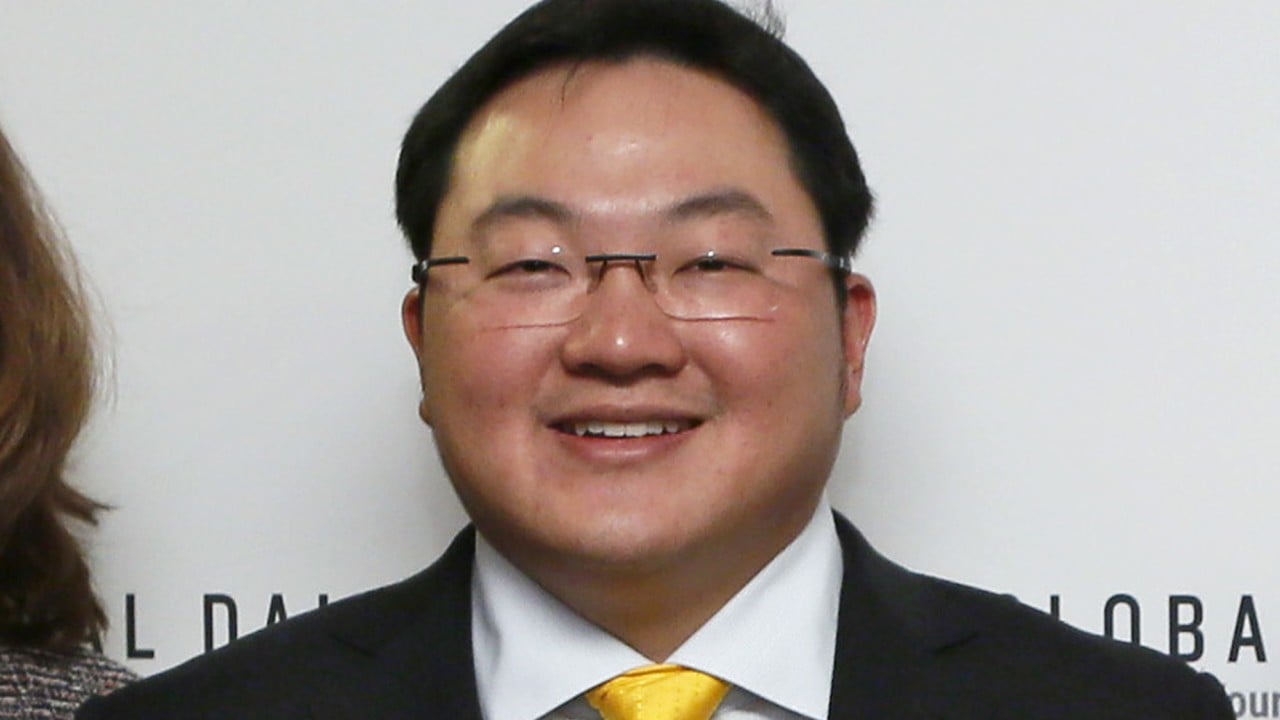
A billion dollars is a difficult number to visualize. It is not just a pile of cash; it is a force of nature. It can bend the trajectory of a nation, silence a room of skeptics, and, apparently, buy enough champagne to drown a small city. For a few years, Jho Low didn't just have a billion dollars. He had access to several of them, all funneled through the sovereign wealth fund 1MDB.
He was the ghost in the machine of global high finance. He was the man who wasn't there, yet his fingerprints were on everything from Scorsese films to Manhattan penthouses. Now, the ghost wants to come home. Or more accurately, he wants the doors to the world to open for him again.
The news that Jho Low is reportedly seeking a pardon from Donald Trump—leveraging the shifting winds of American politics to erase a multi-billion-dollar fraud—is not just a legal update. It is a story about the audacity of the ultra-wealthy and the terrifying fragility of justice when it meets a sufficiently large bank account.
The Architect of a Mirage
Think of a small village where every resident puts their life savings into a communal pot to build a hospital. Now, imagine a stranger walks in, convinces the village elders he is a financial genius, and walks out with the pot. He doesn't just steal it; he spends it in front of them. He buys a yacht the size of a football field. He throws parties where celebrities are paid millions just to show up and smile. He buys transparent grand pianos and Jean-Michel Basquiat paintings.
That village is Malaysia. The pot was 1MDB.
Low Taek Jho, known to the world as Jho Low, was the architect of this heist. He didn't hold an official position in the Malaysian government, yet he whispered into the ear of then-Prime Minister Najib Razak. He moved money through a labyrinth of shell companies and offshore accounts that would make a forensic accountant weep.
The sheer scale of the theft was breathtaking. We are talking about $4.5 billion diverted from a fund meant to spur economic development. While the Malaysian people waited for the promised growth, Low was busy living a life that felt like a fever dream.
The High Cost of Being Invisible
Justice has a long memory, but it also has a high price tag. Since the 1MDB scandal blew open in 2015, Low has been a fugitive. He is believed to be hiding in China, moving between safe houses, living behind a wall of security and diplomatic complexity.
But even a billionaire gets tired of hiding.
The attempt to secure a pardon from a U.S. President is the ultimate "Hail Mary" pass. It is a gamble on the idea that everything—even a criminal record involving the largest kleptocracy case in the history of the U.S. Department of Justice—is negotiable.
Consider the mechanics of this pursuit. This isn't about a man admitting guilt and asking for mercy. It is about a power play. Reports suggest that Low's representatives have been working the back channels for years, trying to find a way to settle the civil and criminal cases against him. They are looking for a door that stays unlocked.
The irony is thick enough to choke on. A man who allegedly used stolen public funds to buy influence is now trying to use his remaining influence to make the consequences of that theft disappear.
The Invisible Stakes
Why should a person living thousands of miles away from Kuala Lumpur care about a Malaysian financier and a U.S. pardon? Because this story exposes the plumbing of the global financial system.
When billions vanish from a national fund, it isn't just numbers on a spreadsheet. It is the bridge that never got built. It is the school that remains overcrowded. It is the medical equipment that a rural clinic couldn't afford. The stakes are human. They are measured in the missed opportunities of an entire generation of Malaysians.
When the legal system allows a fugitive to negotiate his way out of accountability, it sends a message. It says that the law is a spiderweb: strong enough to catch the small flies, but easily broken by the heavy birds.
Low's pursuit of a pardon is a test of that web. If he succeeds, he proves that with enough money and the right connections, the concept of "fugitive" is merely a temporary status.
The Mirage and the Mirror
Low's life during the peak of 1MDB was a masterclass in the performance of wealth. He knew that if you act like you have more money than God, people stop asking where it came from. They want to be near the heat. They want the $600,000 bottles of Cristal. They want the invite to the Vegas suite.
He was the man who bought the sunset, or at least the illusion of it.
But sunsets eventually fade into the dark. The yacht, the Equanimity, was seized and sold. The paintings were surrendered. The celebrity friends stopped answering the phone. What remains is a man in a gilded cage, looking at a map of a world he can no longer walk through freely.
The current push for a pardon is the act of a man trying to buy back his shadow. He wants the legitimacy that no amount of stolen money can provide. He wants to stop being a "person of interest" and go back to being a "person of means."
The problem with trying to rewrite history is that the ink is already dry. The 1MDB scandal isn't just a court case; it is a wound on the collective psyche of a nation. Najib Razak is in a prison cell. Bankers have been banned from the industry. The wreckage is everywhere.
The Long Game of Accountability
Justice is rarely fast, and it is almost never clean. It is a slow, grinding process of turning over stones and following the trail of crumbs. In the case of Jho Low, the trail leads through some of the most prestigious financial institutions in the world, exposing how easily they were blinded by the glitter of Malaysian gold.
There is a certain cold logic to Low's strategy. He knows how the world works. He knows that political administrations change, that public outrage cools, and that everyone has a price. He is betting on the exhaustion of his pursuers. He is betting that, eventually, the world will just want to move on.
But moving on without accountability isn't progress; it's a reset button for the next heist.
The story of Jho Low seeking a pardon isn't a story about law. It's a story about the audacity of hope—not the kind of hope that inspires, but the kind that offends. It is the hope that the rules we all live by simply don't apply if you have enough zeros in your bank account.
The sun is setting on the era of the 1MDB heist, but the man who tried to buy the sky is still waiting in the shadows, waiting for someone to tell him that the bill has been paid.
The world is watching to see if anyone picks up the check.