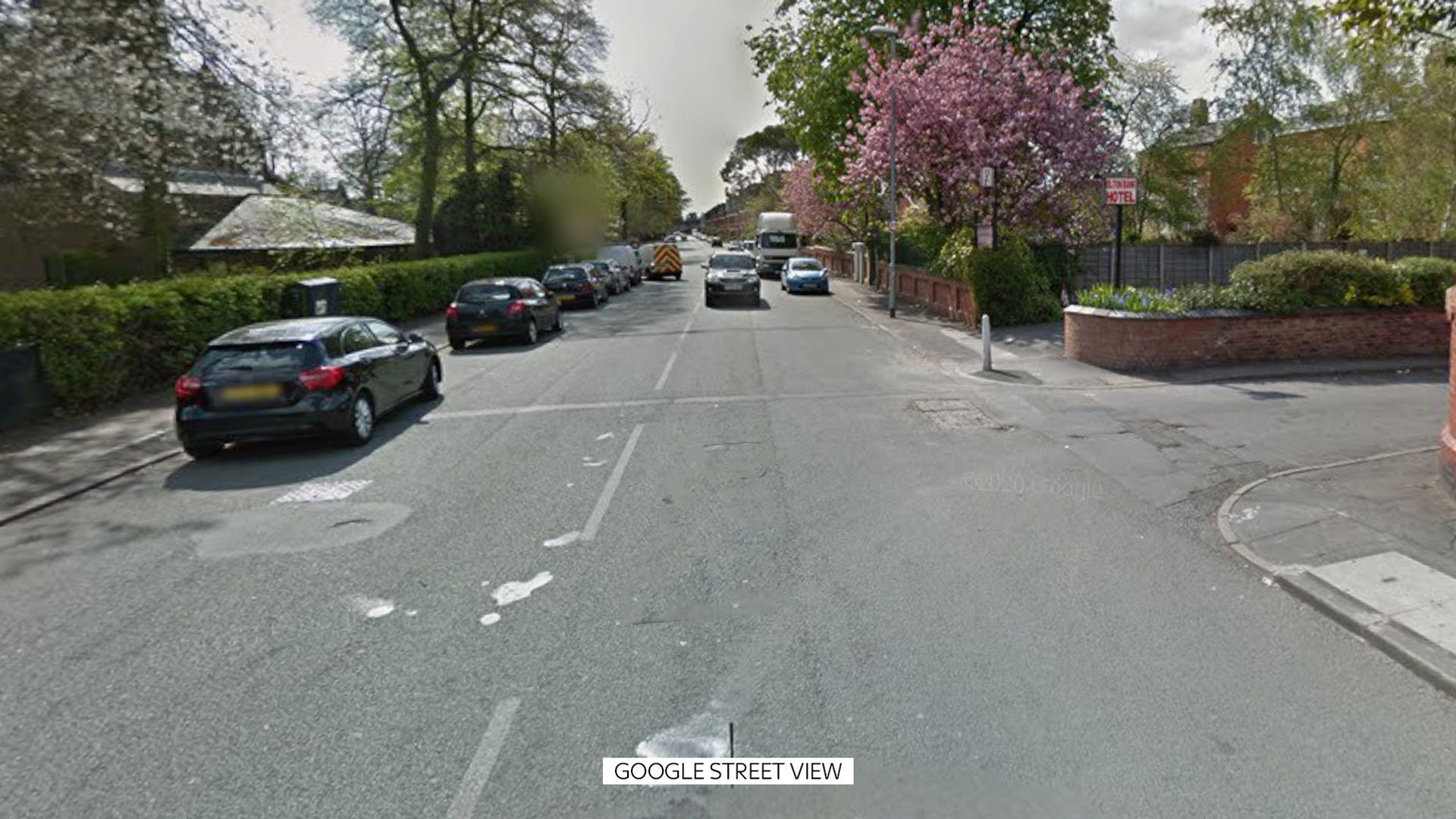
A quiet neighborhood in Manchester has been shaken by the news of a baby girl’s death and the subsequent arrest of a woman on suspicion of child neglect. This isn't just another headline. It’s a tragedy that stops you in your tracks. Greater Manchester Police confirmed the arrest following the infant's death, sparking a complex investigation that aims to piece together the final hours of a life that had barely begun.
When a child dies under these circumstances, the community naturally demands answers. People want to know how this happened and, more importantly, if it could have been prevented. The legal process is now in motion. A woman is in custody. Detectives are scouring the scene. But the ripple effects of this event go much deeper than the initial police report.
The Details of the Manchester Child Neglect Case
The incident unfolded in the Greater Manchester area, where emergency services were called to a residential property. Despite the efforts of paramedics, the baby girl was pronounced dead. The immediate response from the authorities was swift. Within hours, police had established a cordon and a woman was taken into custody for questioning.
Suspected child neglect is a heavy charge. In the UK legal system, this specifically refers to the failure to provide for a child’s basic physical or emotional needs, which results in serious harm or, in this heartbreaking instance, death. Police haven't released the identity of the child or the woman yet. They're likely protecting the integrity of the investigation and the privacy of grieving relatives.
We see this pattern often. A sudden death, a flurry of blue lights, and then the long, quiet wait for a post-mortem examination. These examinations are the pivot point. They determine if the death was the result of a tragic natural occurrence, an accident, or a criminal failure of care. Until those results come back, the "suspicion of neglect" remains the primary legal handle for the police to hold the suspect.
Why Safeguarding Systems Face Such Intense Scrutiny
Every time a child dies in Manchester or anywhere else in the UK under suspicious circumstances, the spotlight turns toward local authorities. People ask where the social workers were. They ask if the health visitors missed something. It’s a visceral reaction.
Greater Manchester has seen its share of budgetary pressures over the last decade. While I'm not saying that's the cause here—we don't know the facts yet—it's the context in which these tragedies happen. Social care departments are often stretched thin. Caseloads are high. When a "preventable" tragedy occurs, it usually reveals cracks in the communication between agencies like the NHS, local schools, and the police.
In many historical cases of neglect, the signs were there. Frequent missed appointments. Poor hygiene. Unexplained bruises. The "Toxic Trio"—domestic abuse, mental health issues, and substance misuse—often lurks in the background of neglect cases. Detectives in this current Manchester case will be looking at the family’s history with local services to see if any red flags were ignored or if this was a sudden, catastrophic lapse in care.
The Legal Process After a Neglect Arrest
What happens now? The woman arrested is likely being interviewed under caution at a local station. Police can only hold a suspect for a set amount of time—usually 24 hours—before they have to charge her, release her, or apply for an extension.
In cases involving the death of an infant, the investigation is methodical. Forensic teams will examine the home environment. They’re looking for evidence of the child's living conditions. Was there food? Was the house heated? Were there hazards?
It’s a grim process.
The Crown Prosecution Service (CPS) eventually decides if there’s enough evidence to proceed to a trial. For a neglect charge to stick, they have to prove that the individual "wilfully" neglected the child in a manner likely to cause unnecessary suffering or injury to health. It’s a high bar. It’s not just about being a "bad parent." It’s about a criminal failure of duty.
How Communities React to Local Tragedy
The atmosphere in Manchester right now is heavy. Neighbors often describe the "shock" of seeing forensic tents on a street they walk down every day. There’s a specific kind of communal guilt that sets in. People wonder if they should have heard something. They wonder if the crying they heard through the wall was normal or a cry for help.
We shouldn't rush to judgment. The internet is a breeding ground for speculation, especially on local Facebook groups. "Hang her," some say before a single fact is proven. Others defend the family. This digital noise rarely helps the investigation. In fact, it can jeopardize a future trial. If a jury pool is tainted by social media rumors, getting justice for that baby girl becomes a lot harder.
Spotting the Signs of Neglect in Your Own Neighborhood
We like to mind our own business. It’s a British trait. But when it comes to child safety, "minding your own business" can be dangerous. You don't need to be a detective to notice when something is wrong.
Neglect isn't always a child covered in dirt. Sometimes it’s a child who is consistently left alone. It’s the child who is always wearing clothes that are too small or far too thin for a Manchester winter. It’s the parent who seems completely detached or overwhelmed to the point of shut-down.
If you see something that feels off, you have options. You don't have to call the police immediately if you aren't sure. Local councils have safeguarding hubs. You can report concerns anonymously. Most of the time, these reports lead to support for the family, not an arrest. The goal is to step in before the situation reaches the point of no return.
The Role of the Coroner in Unexplained Infant Deaths
The coroner’s office plays a massive role here. In any "unnatural" death, an inquest is opened. This is a fact-finding mission, not a trial. The coroner doesn't blame people; they establish who died, when they died, and how they died.
The "how" is the kicker. If the post-mortem is inconclusive, they might order further tests—toxicology, histology. This can take months. It’s a period of agonizing limbo for the family and a period of intense pressure for the police. If the coroner finds evidence of "non-accidental injury," the neglect charge could be upgraded to something even more serious, like manslaughter or even murder.
Support for Those Affected by the News
News like this is triggering. If you’ve suffered a loss or if you’ve struggled with the pressures of parenting, reading about a baby's death in Manchester can be overwhelming. It’s okay to look away. It’s okay to feel angry.
Parenting is hard. It’s arguably the hardest thing anyone will ever do. But there’s a line where struggle becomes neglect. Understanding that line is vital for the safety of every child in the city.
The investigation into this specific case is ongoing. We expect more updates from Greater Manchester Police in the coming days. For now, the focus remains on the forensic evidence and the questioning of the suspect.
If you have information that could help the police, call 101. Don't post it on a forum. Don't tweet it. Give it to the people who can actually use it to find the truth. If you’re worried about a child in your area, contact the NSPCC or your local Manchester safeguarding board. Taking action early is the only way to ensure we don't have to read another headline like this next week. Don't wait for someone else to make the call. Most people assume "the authorities" already know. Often, they don't. You might be the only one who noticed the one detail that matters.
Keep an eye on your neighbors. Look out for the kids on your street. Real community safety isn't about more police; it’s about people actually caring enough to speak up when things look wrong. The legal system will deal with the woman in custody, but the rest of us have a responsibility to make sure the kids in our circles are seen and heard.