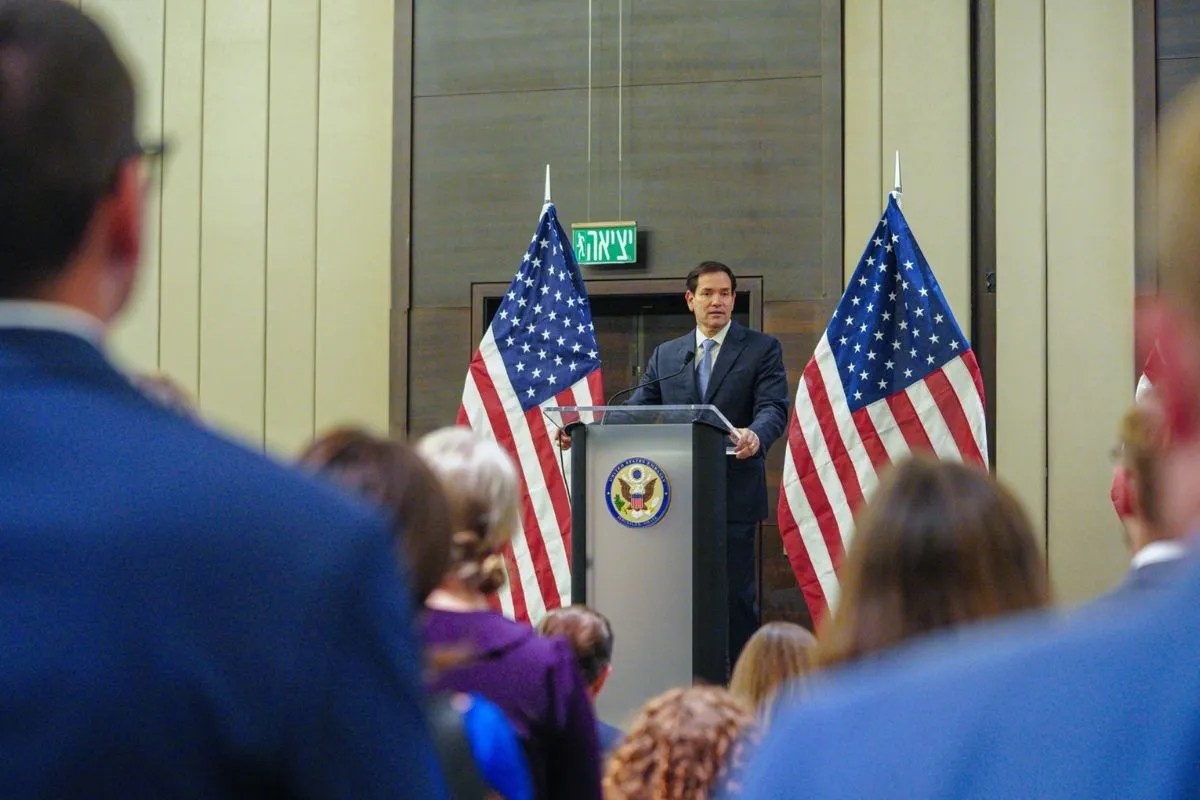
Foreign policy gets messy when old rivalries flare up again. US Secretary of State Marco Rubio isn't holding back his frustration regarding Havana. If you think Washington has forgotten about the island nation just ninety miles off the coast of Florida, you're missing the entire strategic shift happening right now. Rubio is pointing fingers directly at the Cuban military establishment, claiming the real crisis on the island isn't just about external blockades, but internal control.
Let's look at what is actually driving this diplomatic showdown.
The Core of the Washington-Havana Clash
Most mainstream coverage tries to frame current tensions strictly around standard trade embargoes. Rubio cuts through that narrative by exposing how internal structures operate. The Cuban economy faces rolling blackouts lasting up to 22 hours a day. Citizens struggle for basic food and fuel.
According to Washington, the blame lies squarely on GAESA. This massive military-run conglomerate controls roughly seventy percent of Cuba's economy.
- GAESA manages tourist hotels, construction, and banking sectors.
- Revenues dwarf the official state budget multiple times over.
- Profits rarely trickle down to everyday citizens dealing with crumbling infrastructure.
Rubio argues that ordinary Cubans take the brunt of these economic failures while a small elite hoards wealth. When free oil shipments from external allies dried up, the ruling class managed to keep fuel for themselves while leaving public grids to fail.
Why This Matters for American Foreign Policy
National security remains the primary driver behind the State Department's current posture. Rubio made it clear that while governance decisions belong to the Cuban population, the security risks affecting the United States require direct attention. Intelligence reports and historical ties to regional instability keep Washington on high alert.
When regional conflicts shift, Cuba's foreign intelligence and security footprint in neighboring nations like Venezuela draws intense scrutiny. The Trump administration views the island's current political framework as unstable and fundamentally broken. Pressure through restricted fuel supplies and tightened economic sanctions aims to force a structural reckoning.
Looking Beyond the Rhetoric
Change won't happen overnight. The Cuban government routinely blames the decades-long US embargo for all domestic shortages. Yet, independent economic analysts point out that systemic mismanagement and a lack of open markets do the heavy lifting when it comes to the island's collapse.
If you're tracking international relations, watch how energy supplies flow into the Caribbean over the coming months. Cutting off preferential oil arrangements alters the survival math for Havana's leadership. Washington is betting that financial isolation will push the system to a breaking point, opening the door for a completely different political landscape. Keep an eye on regional diplomatic channels, because this standoff is only heating up.