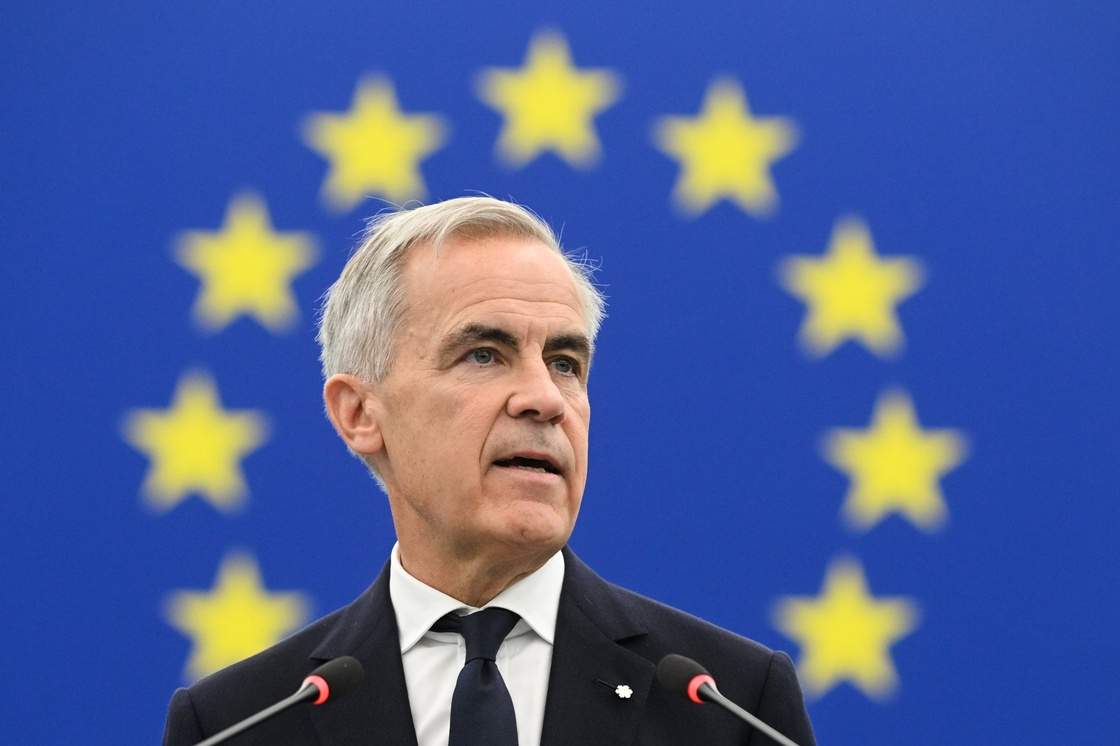
We are living through a massive geopolitical realignment. If you're still waiting for global trade and transatlantic relations to return to how they looked a decade ago, stop. Canadian Prime Minister Mark Carney made that reality crystal clear during his address to the European Parliament in Strasbourg. Instead of offering standard diplomatic pleasantries, Carney laid out a stark warning about a world where economic integration is weaponized and traditional multilateral guardrails are crumbling.
Carney's speech wasn't just a routine foreign policy address. It was a strategic blueprint for middle powers. As relations with the United States shift due to growing isolationist postures and aggressive tariff policies, Canada and the European Union are actively binding their futures together.
The End of the Old Transatlantic Safety Net
For generations, countries like Canada assumed that open borders and predictable rules-based trade were permanent fixtures. Carney dismantled that assumption in minutes. He pointed out that economic structures are now being used for coercion, supply chains are treated as vulnerabilities to exploit, and tech platforms act like unchecked sovereign powers.
When global superpowers start treating alliances as zero-sum games, middle powers have two choices. They can wait around to be squeezed, or they can build something resilient. Carney chose the latter, leaning heavily into an offer from European Commission President Ursula von der Leyen to move beyond the existing CETA framework and explore Canada becoming the European Union's first associate member.
Polling data backs up the urgency. Roughly four out of five Canadians support closer integration with Europe, recognizing that diversification is no longer a luxury project—it's an economic survival strategy.
Why This Partnership Changes Everything
You might wonder why a middle power like Canada and a trade bloc like the European Union need each other quite this badly. The answer comes down to complementary strengths and sheer structural ballast.
Europe brings massive regulatory weight, advanced capabilities in artificial intelligence, space technology, and quantum computing, alongside deep pension capital and powerful banking systems. Canada brings unique Arctic geography, vast natural resources, and dual access to Atlantic and Pacific trade networks.
Carney stressed that the goal isn't total self-sufficiency—which is an expensive illusion. Instead, the focus is functional alignment. When you ally by function rather than just geography, you create an economic ecosystem that can weather severe external shocks.
Moving Beyond Borders
The practical implications of this new alignment go far beyond high-level trade pacts. Proposals on the table include pushing toward seamless digital commerce in non-agricultural goods and services, alongside expanding people-to-people ties. Imagine a framework where young professionals and students can easily live, work, and study across the Atlantic without hitting administrative brick walls.
Critics often claim that middle powers banding together is just an attempt to form a competing superpower block with better manners. Carney explicitly rejected that narrative. He clarified that this alliance is designed for resilience, not domination. It is meant to ensure that no single hegemon can dictate terms, control open markets, or undermine democratic rule of law.
The old global order isn't coming back. Leaders like Carney are building a new canopy from the ground up, proving that when the global storm hits, interconnected roots hold firm.
The address delivered by Canadian Prime Minister Mark Carney to the European Parliament outlines the strategic shift in transatlantic relations and deeper Canada-EU cooperation.